What Points Don’t Cover: A Realistic Japan Budget for Two
Even with flights and hotels covered by points, a Japan trip still has a real cash cost. Here’s what we’re budgeting for 13 nights - from food and trains to matcha, luggage forwarding, and a few splurges.
Once the flights and hotels are booked with points, it’s tempting to think that the expensive part of a Japan trip is over.
In most cases, a lot of it is. For our January 2027 trip, we’re using miles for our international flights, and the plan is to cover every hotel night with points or free-night certificates.
But there’s still food, trains and taxis. After their amazing trip to Japan, our friends Brian and Whitney were surprised by how much they had spent in those categories alone.
It’s true, Japan is cheaper than the U.S. in many ways, but it isn’t hard to spend more than you planned. There’s always another meal, shop or experience to tempt you.
All the little fun things you find can quickly add up. And, in our case, we have the goal of hauling several months’ worth of matcha back home.
This is where a points trip becomes a full travel budget.
Rather than give you a generic daily spending target, I want to walk through the trip we are actually planning: what the points cover, how our hotel choices affect our spending, and what we still expect to pay out of pocket. It’s the same approach I describe in my Japan trip-planning framework: planning the whole trip, with each redemption as one part of it.
This is not an attempt to make Japan as cheap as possible. We want comfortable hotels, time in places we love, and a few meals worth looking forward to. The goal is to make room for those things without treating everything outside the award bookings as an afterthought.
These are planning estimates, not actual spending. I’ll update the article after the trip so we can compare the budget with what happened.
First, the Trip We Are Actually Budgeting For
Oh, the places we’ll see!
Our current plan is 13 nights in Japan: Tokyo for one night, Kurashiki for three, Hiroshima for three, Fukuoka for three, and Osaka for the final three.
The first Tokyo night is mainly there to make our arrival easier. The three-night stays give us time to settle in, while the final Osaka stretch is still a work in progress.
For the daily budget, I’m allowing for 14 spending days across those 13 nights, including arrival and departure days. Those partial days may cost less, but I would rather leave some breathing room than build the budget around spending almost nothing on them.
One caveat - this is not necessarily the route I would suggest for someone’s first trip to Japan. It’s the trip we’re most interested in, combining familiar places, hotels we’re excited to try, and cities we’ve never visited, like Hiroshima and Fukuoka.
Our Flights Are Booked, With Room for an Upgrade
We booked Japan Airlines Premium Economy from Boston to Narita, with a connecting flight in economy from Haneda to Itami Airport in Osaka, for a total of 100k American Airlines miles plus $11.20 for the two of us.
This was interesting because I couldn’t find a JAL Premium Economy award when searching just Boston to Narita, but when I searched Boston to Osaka, Premium Economy appeared on the Boston-Narita leg! The Haneda-to-Itami connection might sound awful - it requires switching airports after arriving at Narita - but I’ll explain later why it’s actually ideal for this trip.
For the return, our current booking is JAL’s direct Narita-Boston flight in economy, for another 70k AA miles plus $114.06 for both of us.
That puts our booked flights at 170k AA miles and $125.26 in taxes and fees. That’s a very small cash expense for getting both of us to Japan and back.
For now, I’m holding on to our economy flights home while keeping an eye out for other options. That might mean a Premium Economy or Business Class award, or an itinerary that includes the domestic connection from Osaka instead of arranging it separately.
I’m also comparing whether using Capital One miles toward a JAL award or collecting United miles could open up another option.
I haven’t written about United miles yet, but a recent business credit card offer caught my attention, particularly as a possible way to book ANA Business Class. It’s something I’m considering for myself and Cory.
But these would be improvements to a trip that’s already happening. We already have our flights home!
An Overnight in Tokyo We’re Actually Looking Forward To
Lights, camera, action!
Our flight is scheduled to arrive at Narita around 4 PM. Ideally, we would reach the hotel around 6 or 7 PM, eat something, soak in the we’re back in Japan feeling, and get a proper night’s sleep.
The next flight leaves Haneda, not Narita, at 12:35 PM the following day. That gives us plenty of time for breakfast and a little relaxation before heading to the airport.
The hotel itself is still undecided. I’ve looked at The Prince Sakura Tower Tokyo, mesm Tokyo, and several Hyatt options. Some of the searches have been tempting: roughly 60k Marriott points at Sakura Tower (a corner room!), 65k at mesm, and 35k Hyatt points at Park Hyatt Tokyo or Andaz Tokyo.
Since we wouldn’t have much time to enjoy a particularly nice hotel, I’m leaning toward using my 35k Marriott Free Night Award, topped off with up to 25k points, for something sensible - a comfortable, convenient property where my Marriott Platinum status would get us complimentary breakfast.
Hyatt Regency Tokyo Bay is another possibility, although staying there would mean planning our airport transfers around a different area. We genuinely like the neighborhood, partly because of a couple of locally owned sushi and yakiniku restaurants we love.
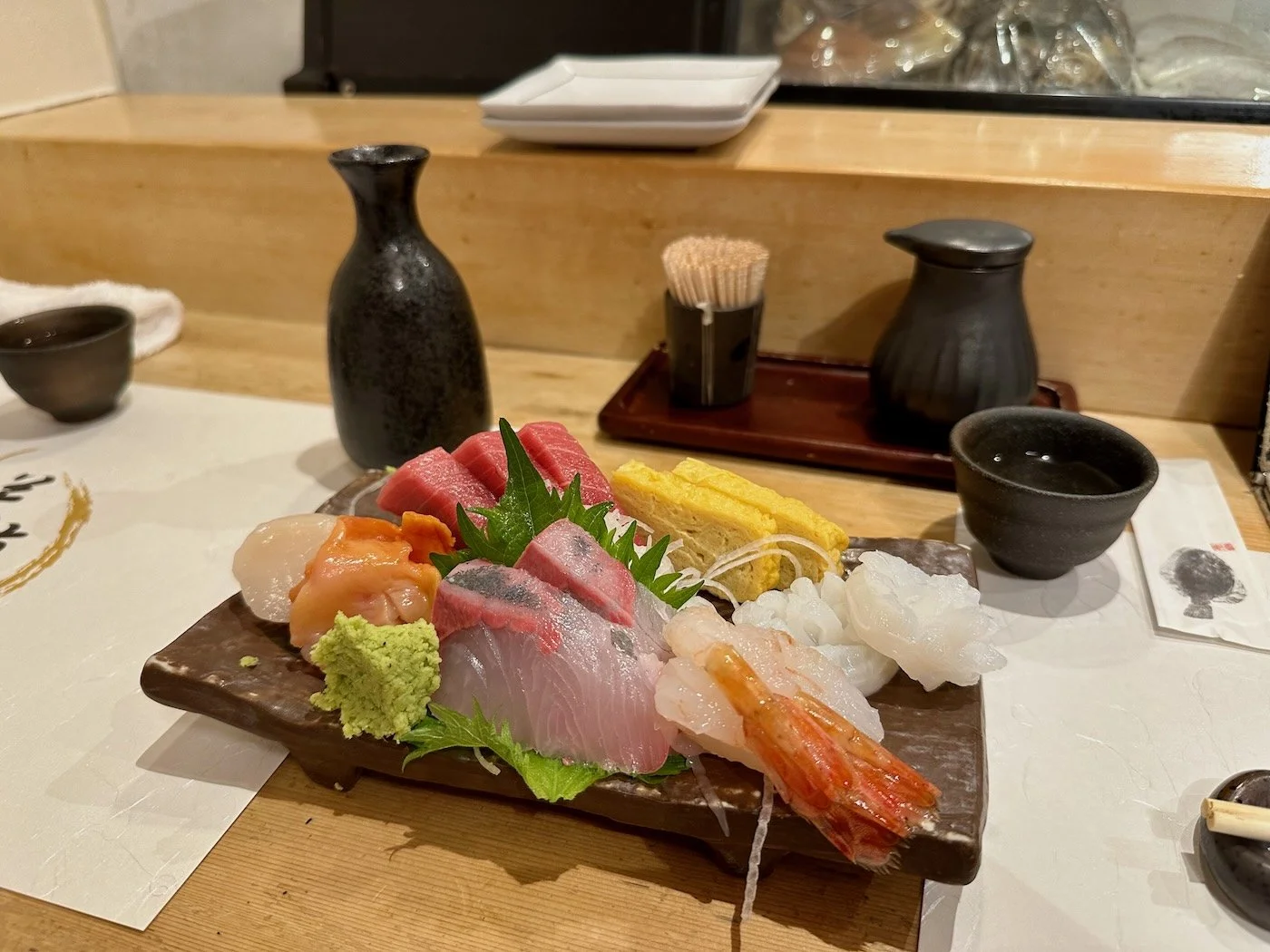
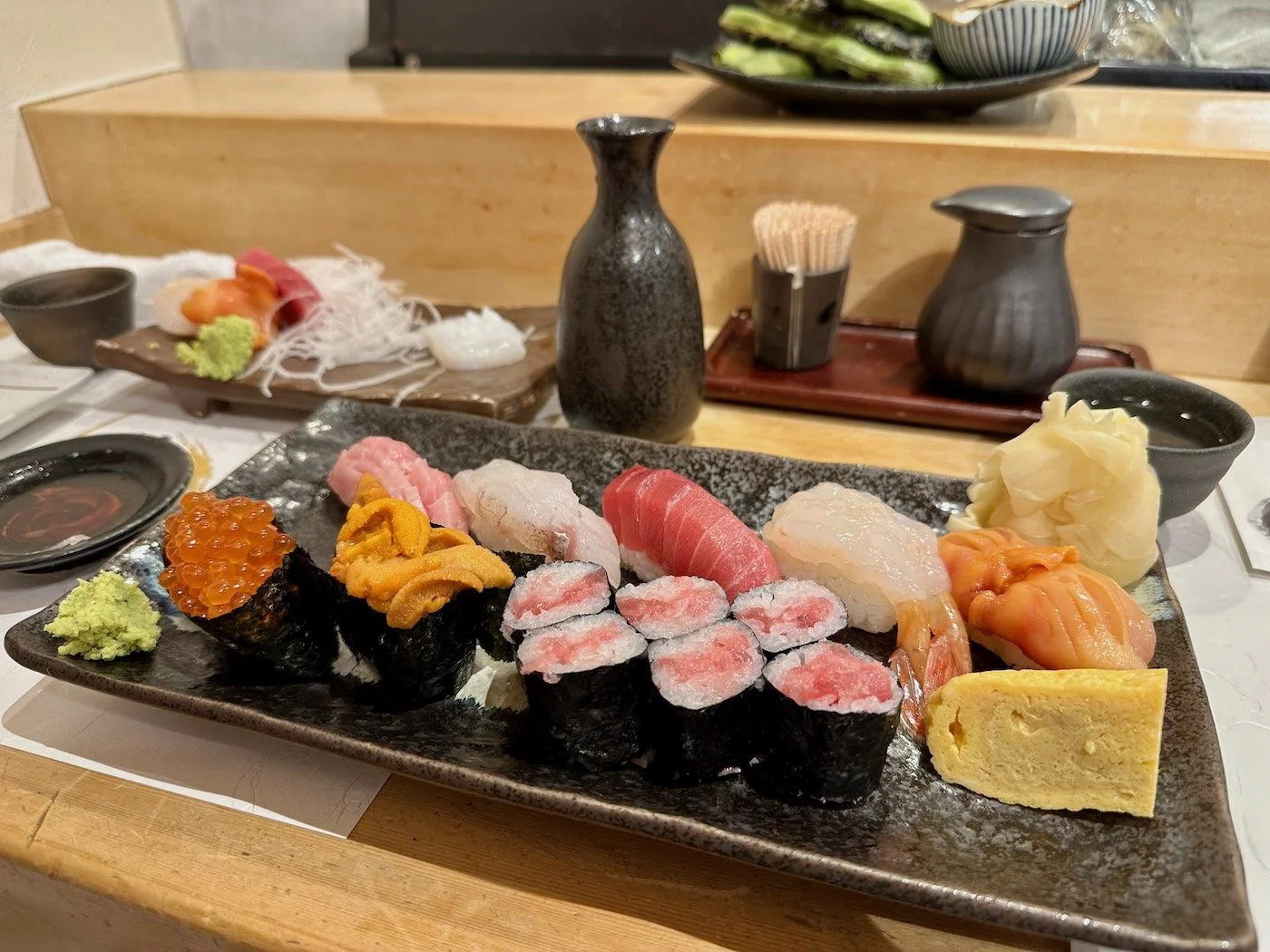
There was also a little sushi restaurant in the area that we loved, with seating only at the counter. About seven pieces of nigiri cost 3,300 yen - a great price for a sushi meal like that. Sadly, it has since closed. I’m glad we got to enjoy it, but I was definitely hoping for another visit. Little neighborhood sushi places like this can take some searching to find, but they’re well worth the effort.
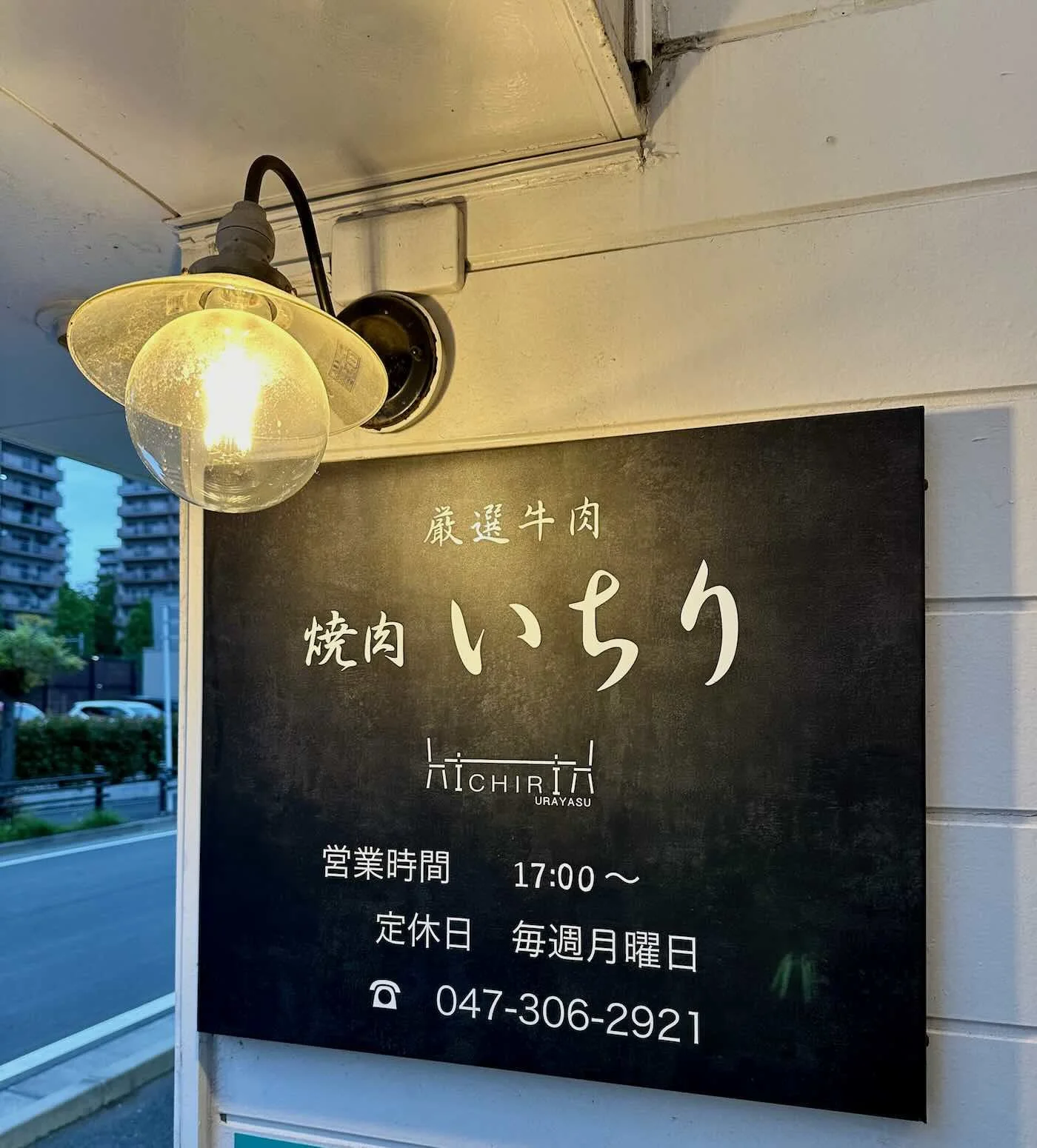
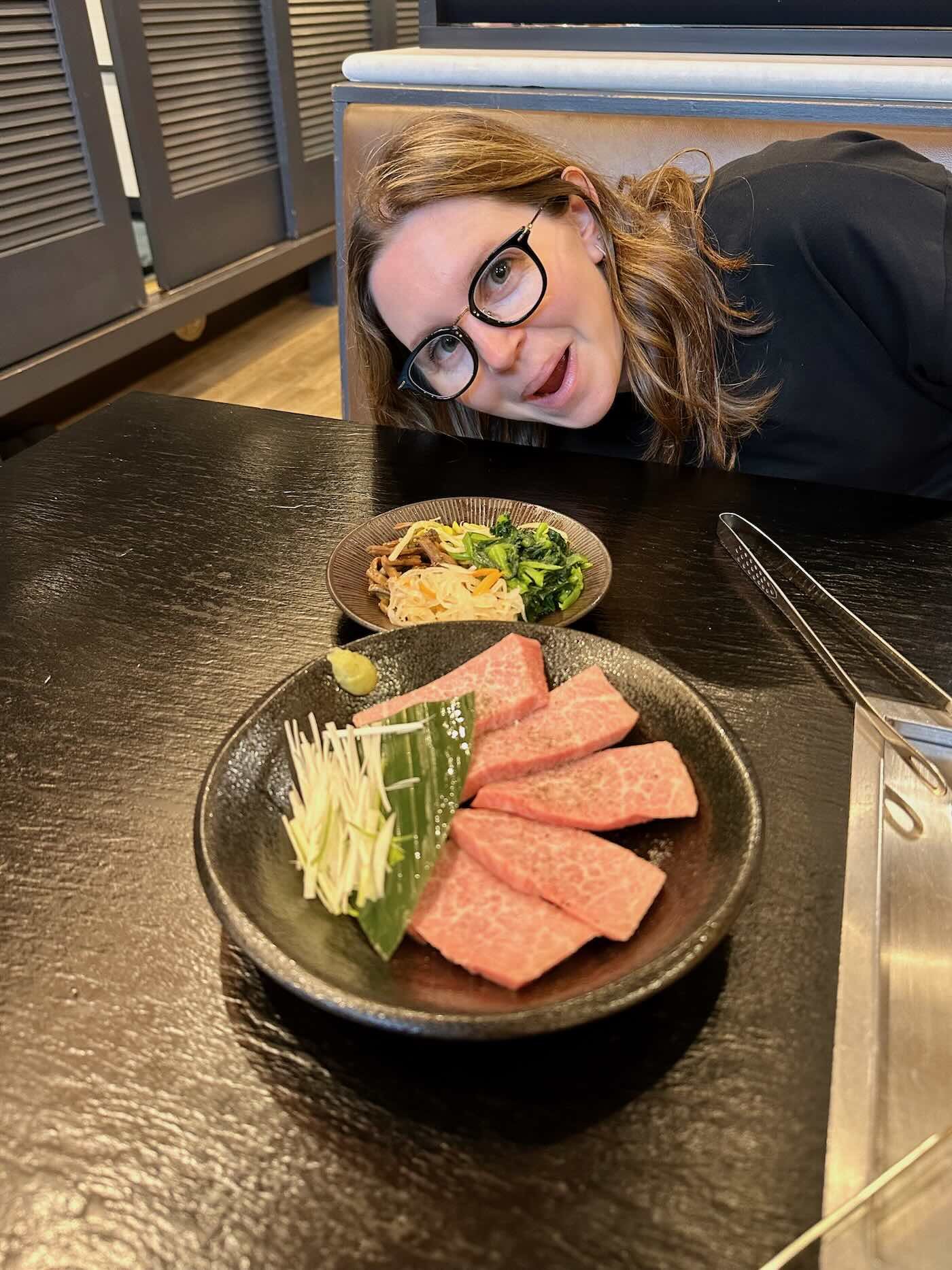
Thankfully, we still have Yakiniku Ichiri near Shin-Urayasu Station, our go-to for freshly squeezed lemon sours and a beautiful selection of barbecue meats. If you have no idea where Shin-Urayasu is (I didn’t either), it’s one stop from Maihama Station, the stop for Tokyo Disney. I recommend making a reservation, especially on weekends.
Sometimes, the reason to return to a hotel is not just about the hotel!
The Hotels Are Also Part of the Food Budget
For this trip, I’m not choosing hotels only by the number of points required.
I’m also thinking about what the stay includes, how much time we will spend there, and whether the location makes it easy to enjoy the surrounding area.
Breakfast and lounge access are particularly useful for us. Included breakfast means one less meal to budget for, and some lounges offer enough food in the evenings to cover dinner, too.
This usually doesn’t decrease our overall food budget, though. Instead, it leaves more room for special meals like sushi or kaiseki that we would otherwise pass up.
Kurashiki: A Favorite Day Trip Becomes a Three-Night Stay
After the overnight stay in Tokyo, we plan to fly to Itami Airport in Osaka and continue to Kurashiki in Okayama Prefecture.
That means getting from the airport to Shin-Osaka, taking the Shinkansen to Okayama, and catching a local train to Kurashiki. We are aiming to arrive at Yoruya in the late afternoon or early evening rather than treating the transfer day as a sightseeing day.
It is a busy stretch of travel. But we should be fairly well-rested, and we are staying for three nights once we arrive.
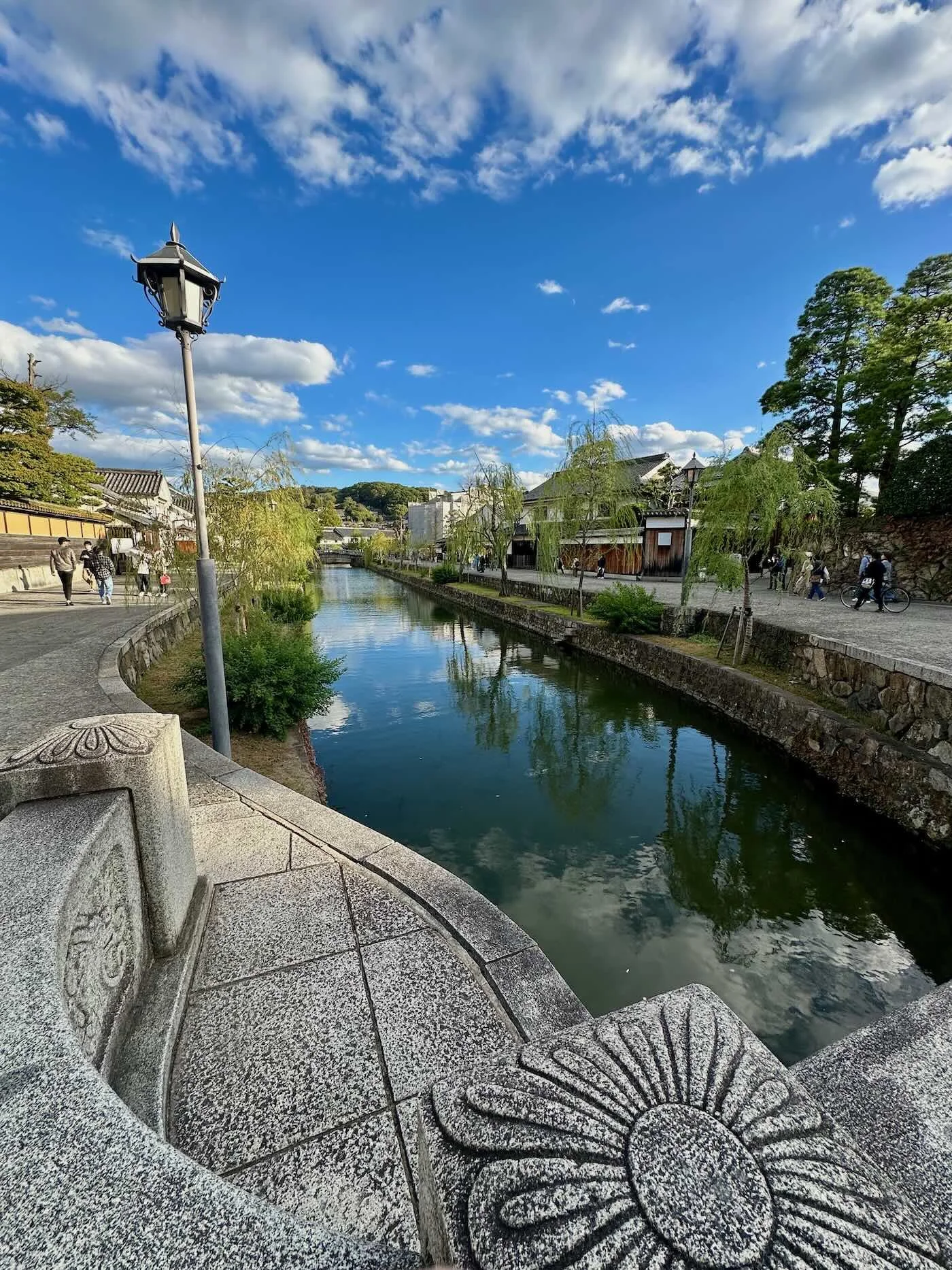
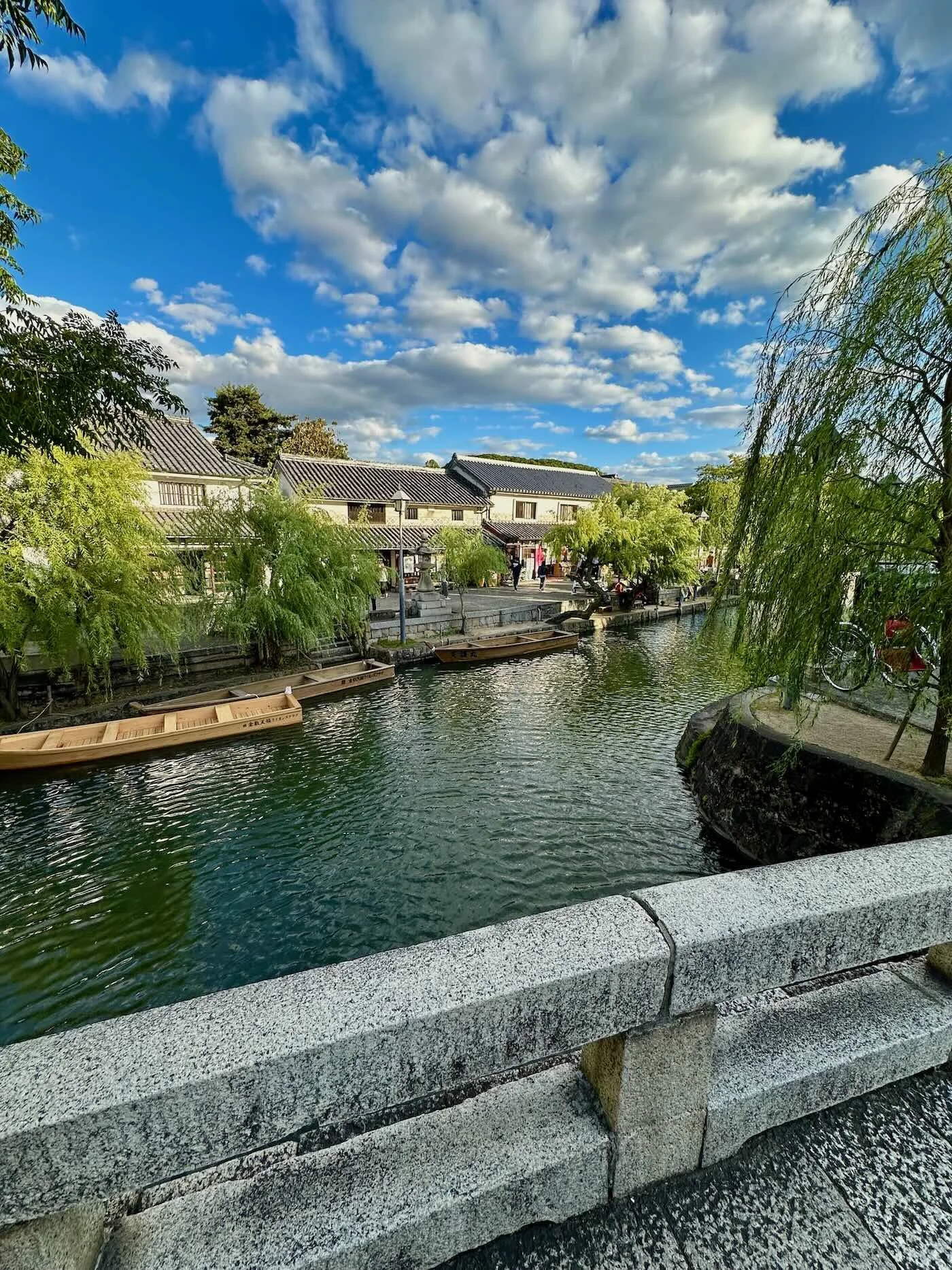
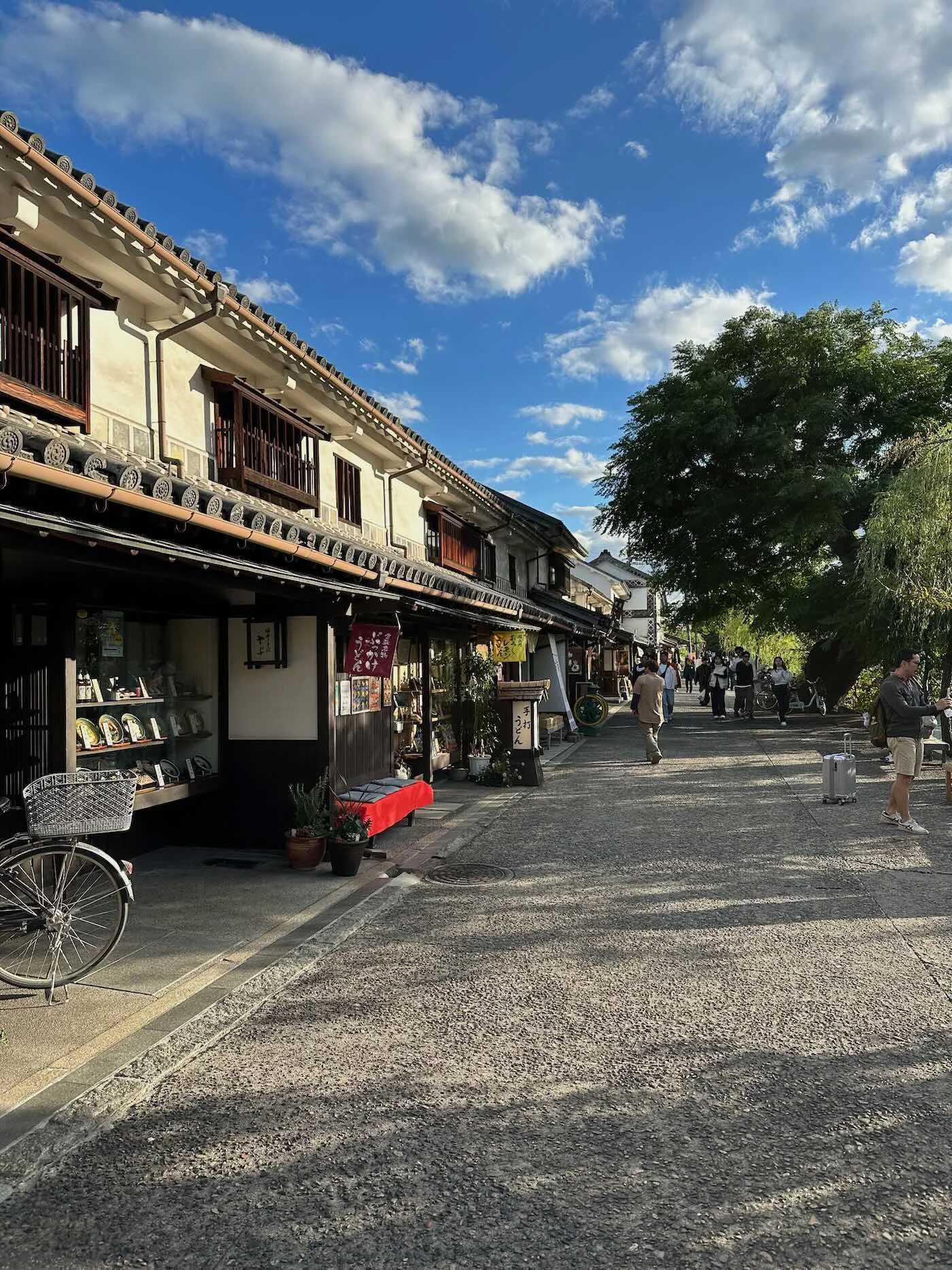
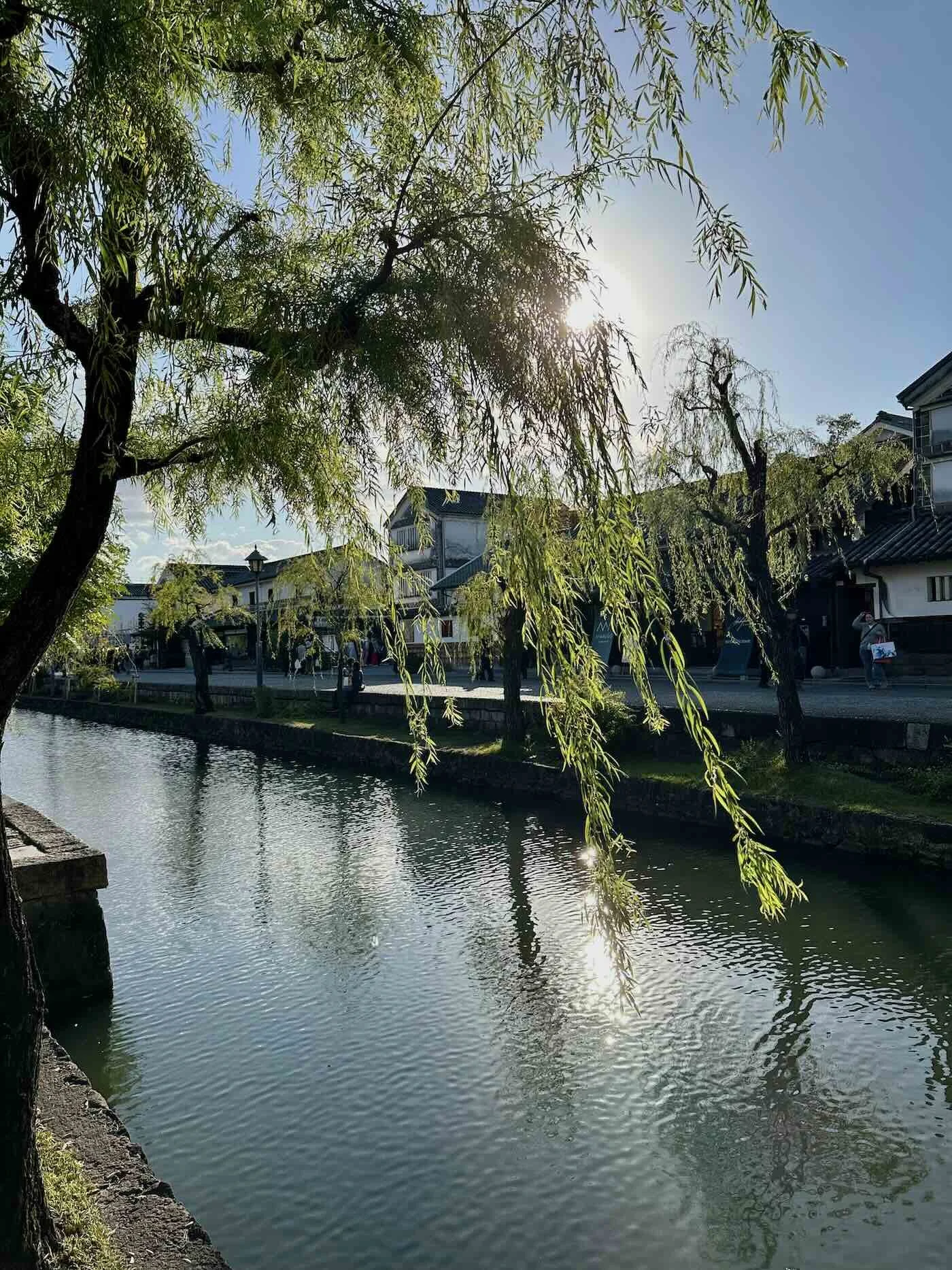
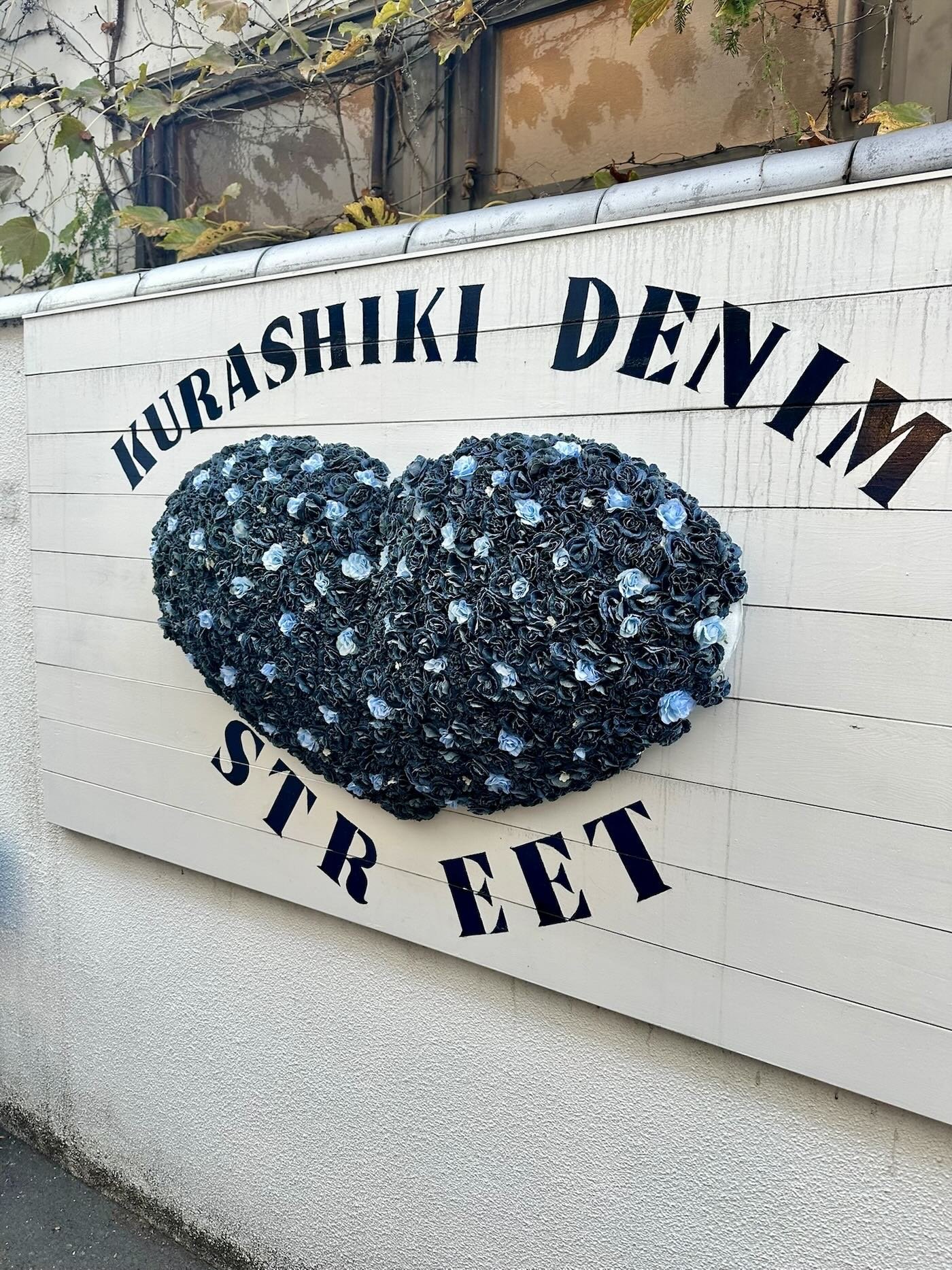
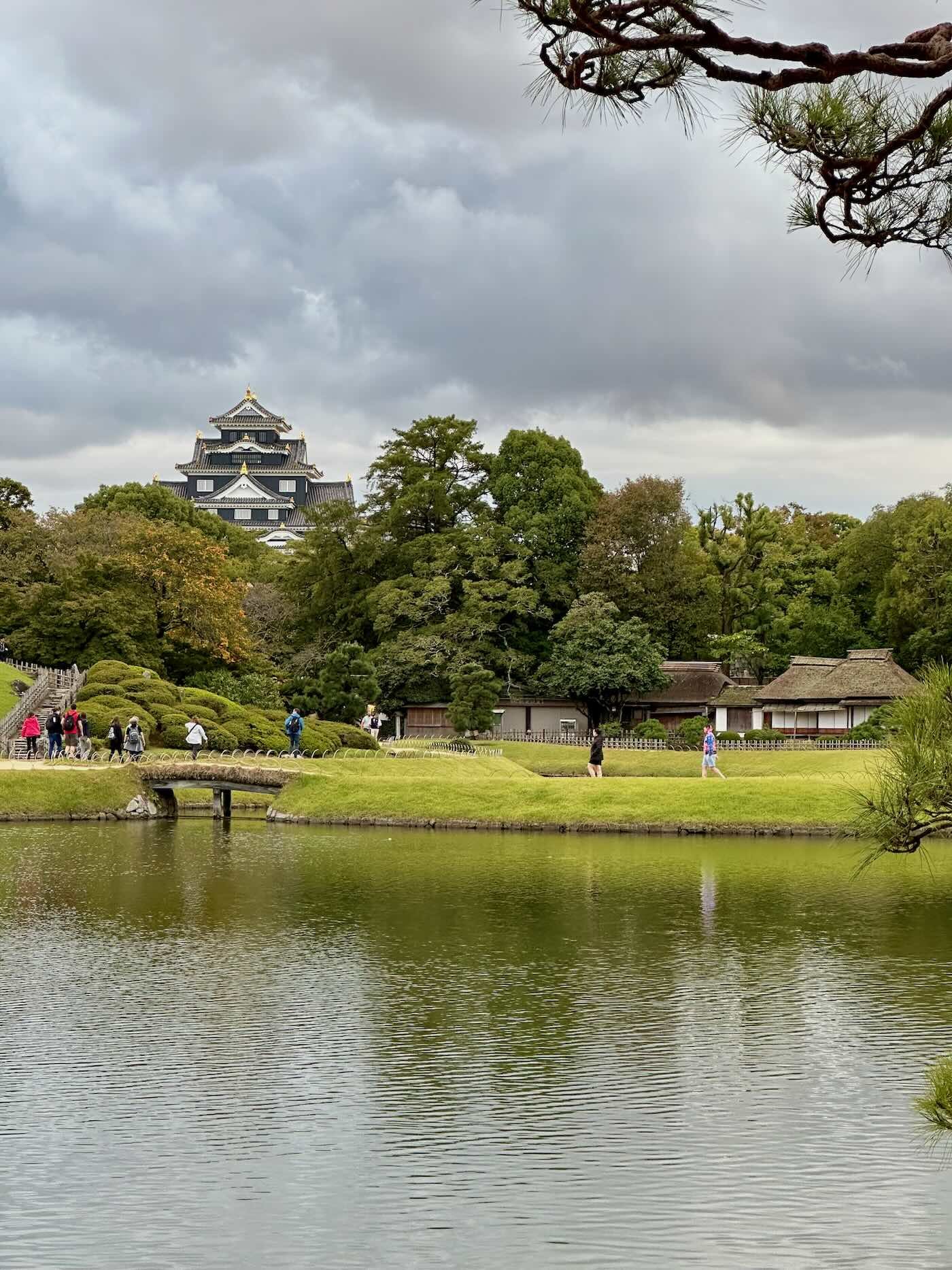
The Kurashiki Bikan Historical Quarter is one of our favorite places to spend time. To me, it feels like a miniature Kyoto, with much of the atmosphere we love and fewer crowds than we’ve encountered in Kyoto. It also happened to be our friends’ favorite day trip during our October 2025 travels, which included stays in several Tokyo neighborhoods, Kyoto, Osaka, and Kobe.
Now, that says a lot.
Yoruya is a stay I’m particularly excited about. It’s a 13-room luxury boutique hotel with the atmosphere of a Japanese inn and a restaurant that’s a big part of the appeal. Chef Fumio Niimi serves a contemporary take on kaiseki at a cypress counter overlooking an inner garden. The menu highlights Seto Inland Sea seafood and seasonal ingredients from Okayama - exactly the kind of meal we look forward to when exploring a region.
We booked a slightly nicer maisonette-style room because the difference in points was negligible. The stay averaged out to 43k Marriott points per night, or 129k points for three nights. By applying two 35k Free Night Awards, I brought the actual points used down to 59k, plus the two certificates.
The cash rates I was comparing started around $600 per night with breakfast, or $800 with breakfast and dinner. Our award booking includes neither meal, so those aren’t direct comparisons.
Breakfast is around 4,300 yen per person, which feels manageable for us. If it’s billed to our room and qualifies as a travel purchase, I may also be able to offset that charge with credit card points.
Dinner is a much bigger decision at over 20,000 yen per person - more than 40,000 yen for the two of us. We may end up going for it, but we’ll have to balance it with less expensive meals on other days.
Even before putting a dollar value on it, this is the kind of redemption I find satisfying: not simply an expensive hotel made cheaper, but a stay we’re excited about in a place we truly want to spend several days exploring.
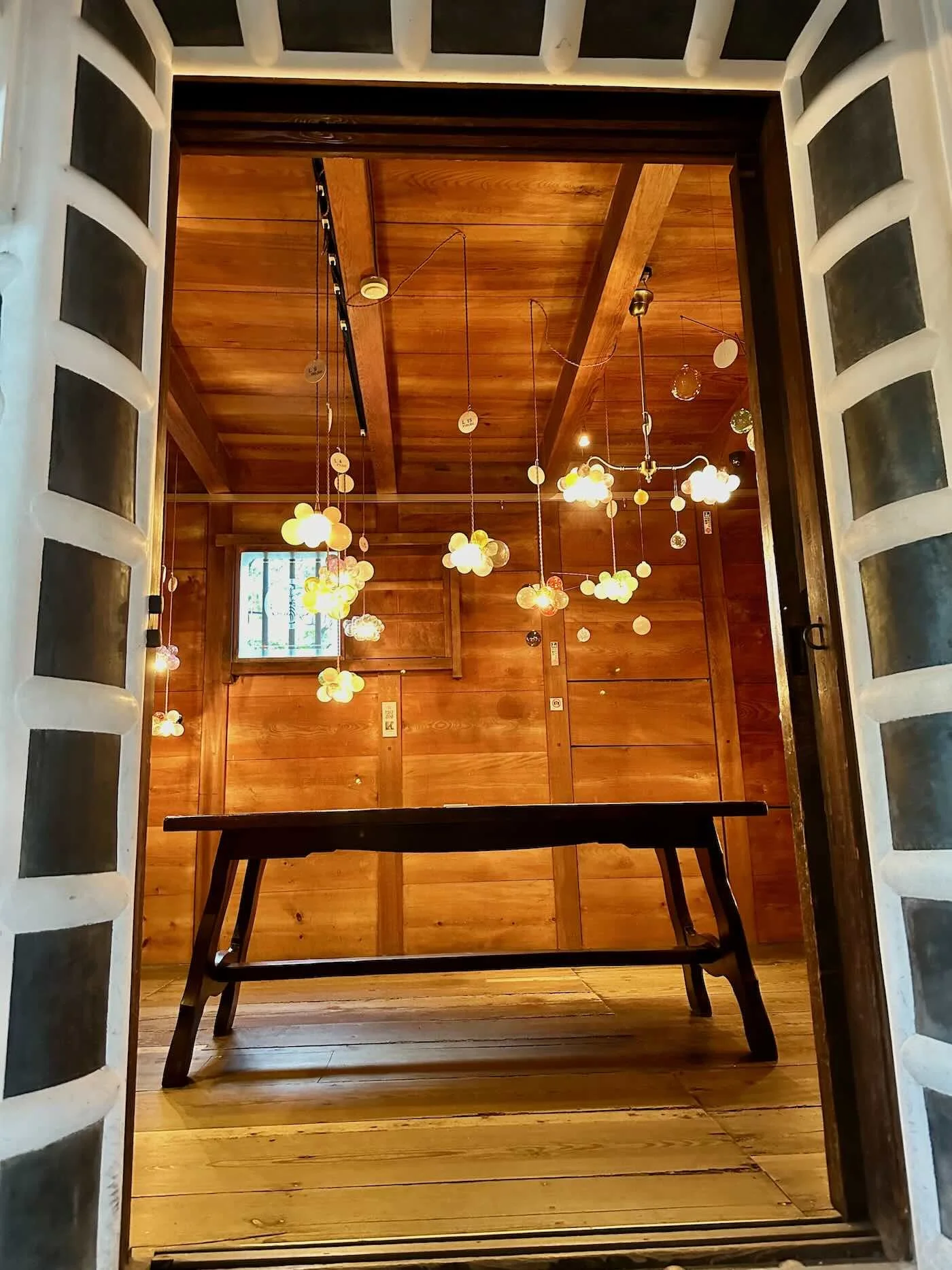
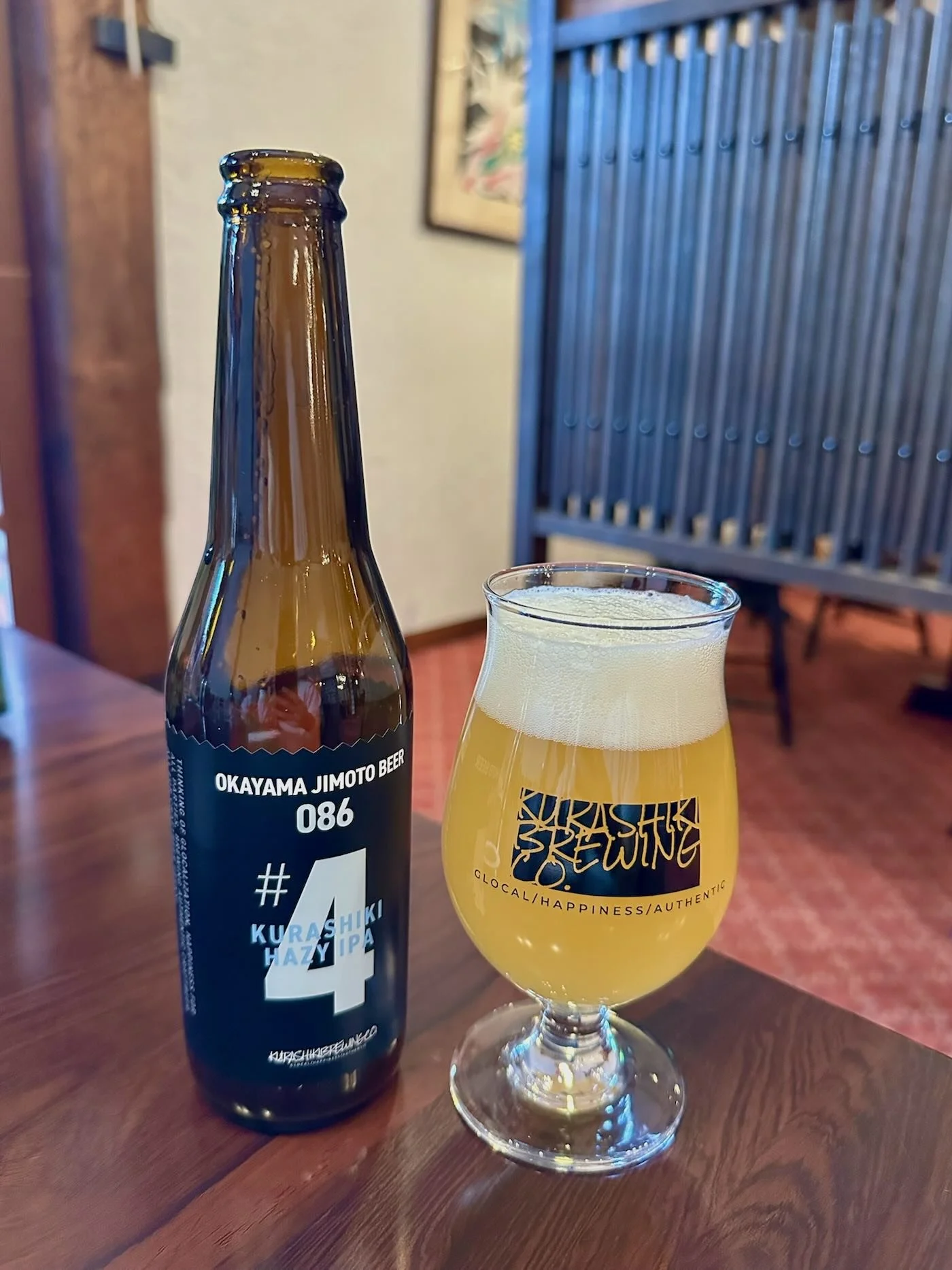
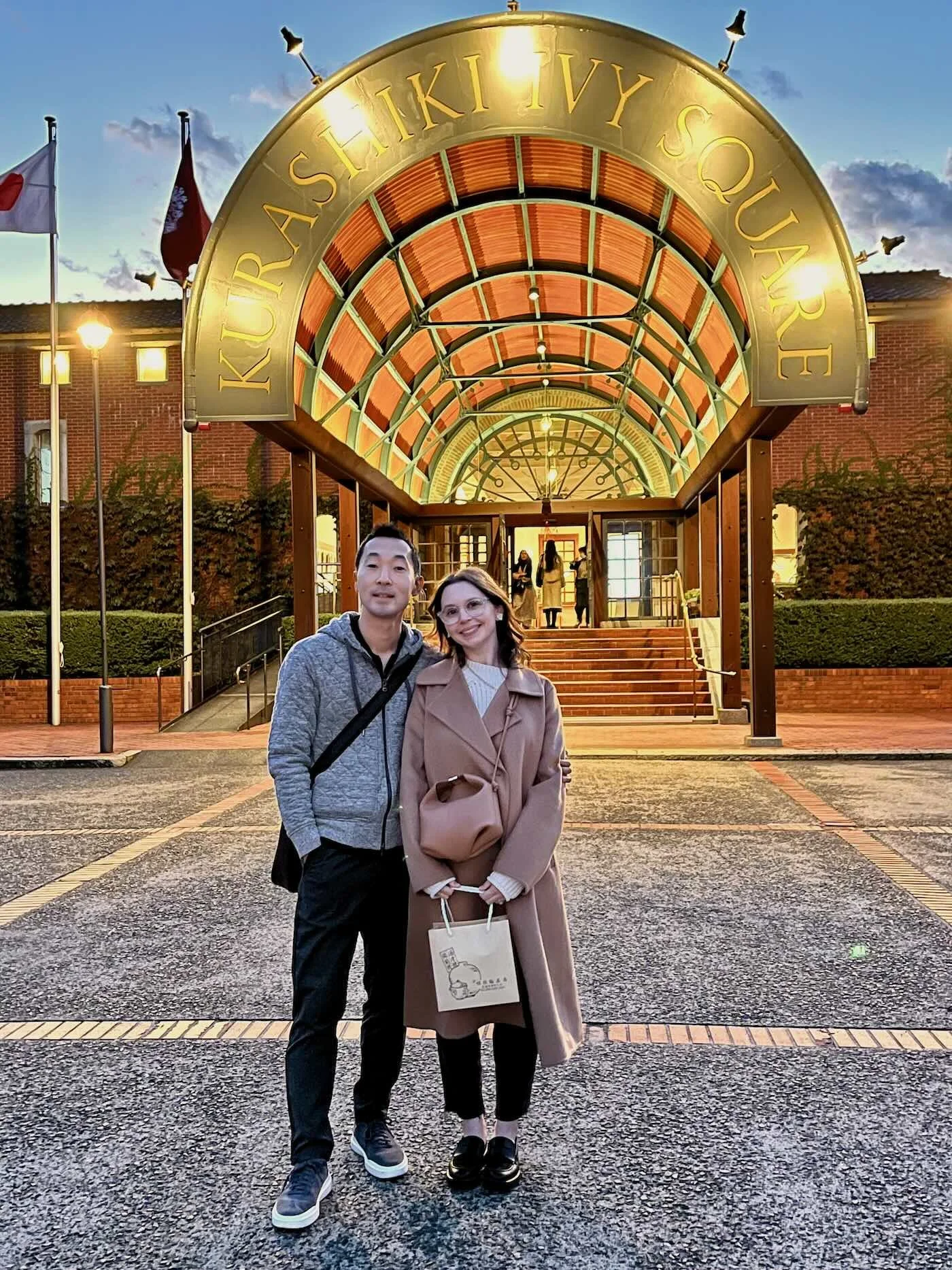
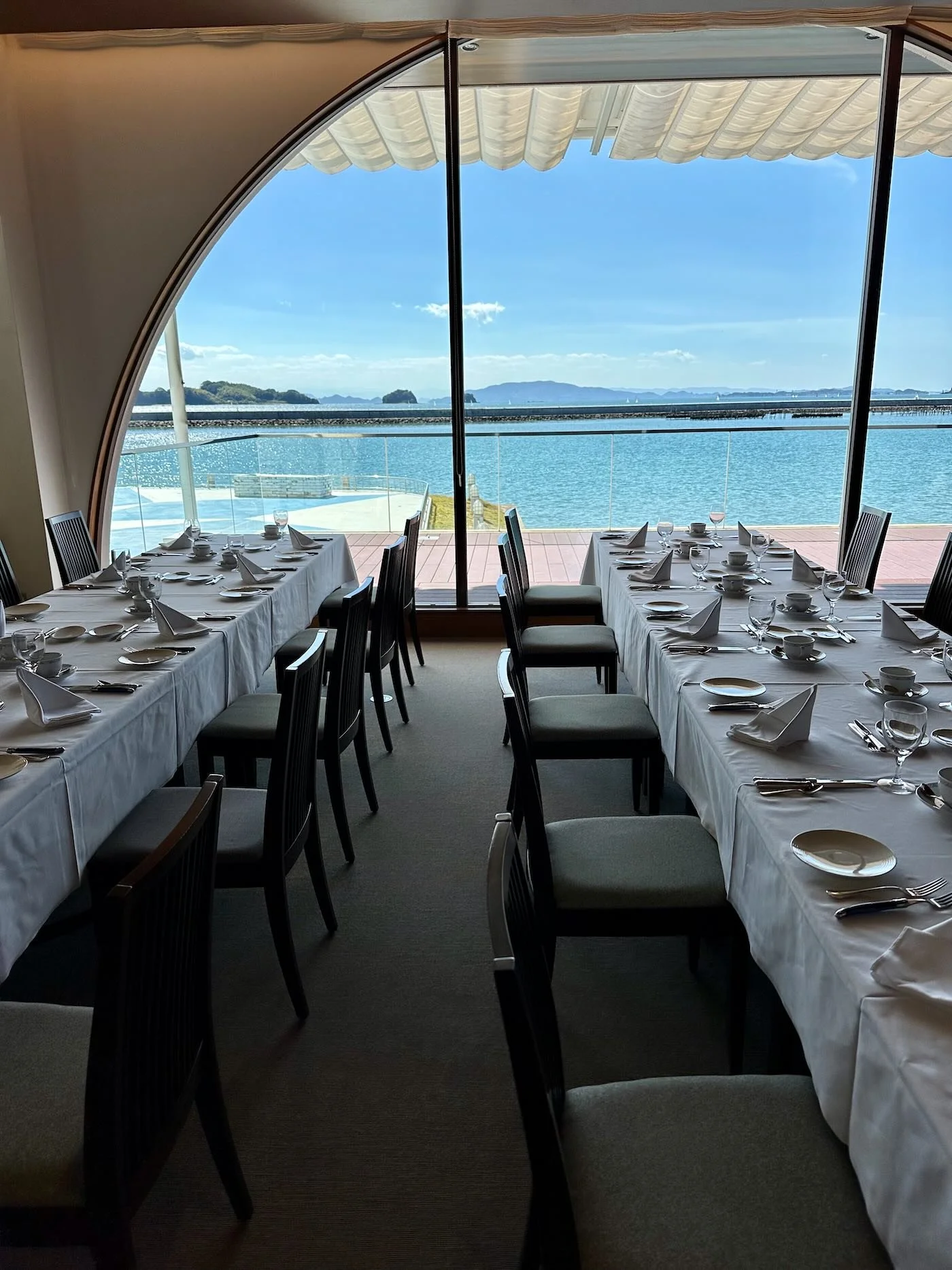
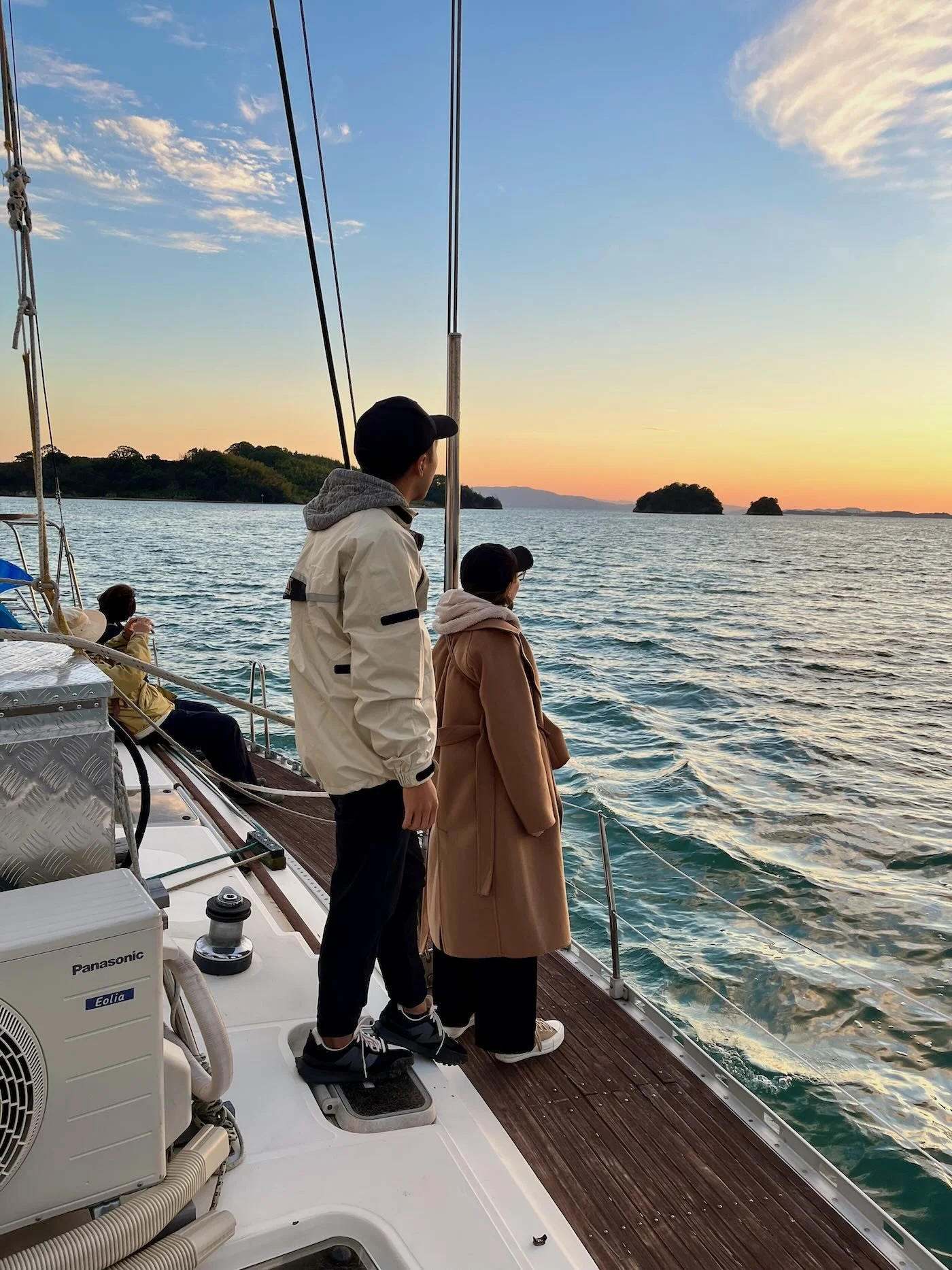
Okayama and Kurashiki photos. Can you tell we’re excited to revisit?

Hiroshima: A Comfortable Base, With a Lounge in Mind
Next are three nights at Hilton Hiroshima for 121k Hilton points total.
The hotel looks like a comfortable base, with the executive lounge and other amenities like a sauna and pool adding to the appeal. I’m considering upgrading Cory’s Hilton Honors American Express Surpass Card to the Hilton Honors American Express Aspire Card before the trip to get Diamond status.
An executive-floor room would be a possible upgrade - something I’ve received consistently in Japan, but wouldn’t necessarily count on. With Diamond status, though, access to an eligible executive lounge doesn’t depend on getting that room upgrade.
The bigger budget question is the Aspire’s $550 annual fee. Along with Diamond status, the card offers an annual Free Night Reward, up to $200 in eligible Hilton resort credits each half of the year, and up to $50 in flight credits each quarter.
We see plenty of potential value in those benefits, but we’d need to consider how we would use them across the year before upgrading. The lounge would be useful for this stay, but whether the card earns its place in our wallet depends on more than these three nights.
Fukuoka: Two Nights at Grand Hyatt, Then a Possible Ritz-Carlton Splurge
In Fukuoka, we have two nights at Grand Hyatt Fukuoka booked in a club-access room for 18k Hyatt points per night, including breakfast and lounge access.
Then I’m considering one night at The Ritz-Carlton, Fukuoka through American Express Fine Hotels + Resorts (FHR). At the roughly $750 rate I found, I could combine my $300 hotel statement credit with 45k Membership Rewards points, worth $450 through FHR, to cover the room cost after the credits post.
This is where “use points for the hotel” becomes a little more interesting.
Fine Hotels + Resorts includes breakfast for two and a $100 credit toward eligible charges, with the credit’s permitted uses depending on the property. Those benefits matter here because Marriott Platinum status alone does not provide the same breakfast benefit at The Ritz-Carlton.
I also compared that approach with transferring Amex points to Marriott. Using a hypothetical 30% transfer bonus, 45k Amex points would become 58.5k Marriott points. That would still fall short of the roughly 85k-100k+ Marriott points I was seeing for the same night.
But that does not automatically make spending the Amex points an easy decision.
At Hilton’s 1:2 transfer ratio, those same 45k Amex points would become 90k Hilton points, or 117k with a hypothetical 30% bonus. That could go toward another luxury stay we’re interested in.
Neither transfer bonus is something I should assume will be available when needed. These examples simply help me think about what else those points could do.
I could also preserve the Amex points and pay the approximately $450 remaining after the hotel statement credit, or split that remaining amount between $225 in cash and 22.5k points.
There isn’t one universally right answer. For this trip, I’m weighing the hotel experience, the included benefits, our cash budget, and what those points might otherwise do for us.
Osaka: Three Nights, Too Many Tempting Options
Waldorf Astoria Osaka… just brilliant!
The Osaka portion is where I have the most decisions left.
Four Seasons Osaka has been on my list for a while. Cory has 73k Chase Ultimate Rewards points, and I have been looking at a two-night stay totaling around $1,500 through The Edit.
The Points Boost offer I saw valued those points at 2 cents each, meaning 73k points would cover $1,460 - leaving only about $40 to pay.
I also have a Hilton free-night certificate that could go toward another stay at Waldorf Astoria Osaka. Conrad Osaka is another familiar option, especially if Cory has Diamond status by then, because its executive lounge is absolutely spectacular.
ROKU Kyoto is tempting too, potentially with a $200 Hilton resort credit available to use. But that would mean adjusting the route toward Kyoto rather than simply changing hotels within Osaka.
Our last ROKU stay was a vast improvement over the earlier one. I’m curious whether a third visit will bring it all together: the beautiful property, warm and attentive service, and hotel policies that make it easy to enjoy everything we came for.
I used to dislike the idea of changing hotels every night, and I still wouldn’t recommend it to just any traveler. But on our July trip, after shipping most of our luggage ahead to the airport, moving between hotels with a couple of smaller bags was much easier than I expected.
Within the same city, checking out, taking a taxi, and dropping the bags at the next hotel can be very manageable, especially with the way these hotels take care of their guests. There’s still some repacking, of course, but much less once the large suitcases are on their way to the airport.
For us, that can make a few hotel-focused nights enjoyable rather than exhausting. It’s not something I would add to an itinerary just to use another certificate, though.
Transportation: What We’ll Spend and How We’ll Offset It
Our working budget for shinkansen tickets, airport transfers, local trains, and taxis is about $700.
My usual way to offset that rather large chunk of transportation spend is through the Chase Air Canada Aeroplan Card’s Pay Yourself Back feature. At 1.25 cents per point, that would take 56k Aeroplan points, assuming that redemption rate remains available for our eligible purchases.
We would first pay with the card, then redeem points for statement credits against those charges.
I’ve also looked at the Bank of America Travel Rewards credit card paired with a Rakuten cash-back offer as another way to offset travel expenses. Here, the rewards would help cover purchases we would otherwise pay for out-of-pocket.
On September 7, 2026, the offer I saw combined a Bank of America points bonus worth $250 toward eligible travel and dining purchases with $375 through Rakuten - $625 in total value after meeting both offers’ requirements.
If you don’t like the idea of using Rakuten, there are usually several options out there that offer a cash bonus of $300 to $500. One or two of those cards can go towards transportation costs or even for special meals and experiences.
Two More Flights to Budget For
We are also planning flights from Fukuoka to Itami and Itami to Narita, separate from the $700 ground-transportation budget above.
One option is to book ANA domestic economy awards using Virgin Atlantic points. Virgin’s published chart currently lists 7,500 points per person one way, excluding applicable taxes and fees. For those two flights for both of us, that would mean 30k Virgin points plus fees, assuming the required seats are available (I saw many options available each day, but it could depend).
I’m expecting a small cash charge for each award ticket ($3~$8 depending on the departure airport), as ANA doesn’t charge a fuel surcharge for domestic award flights.
My plan is to have the dates and several acceptable flight times in front of me before contacting Virgin. An ANA economy award showing in a United search would give me a flight to ask about, but Virgin would still need to confirm that it can book those seats.
Food: We Started at $125 a Day, but $150 Is More Honest
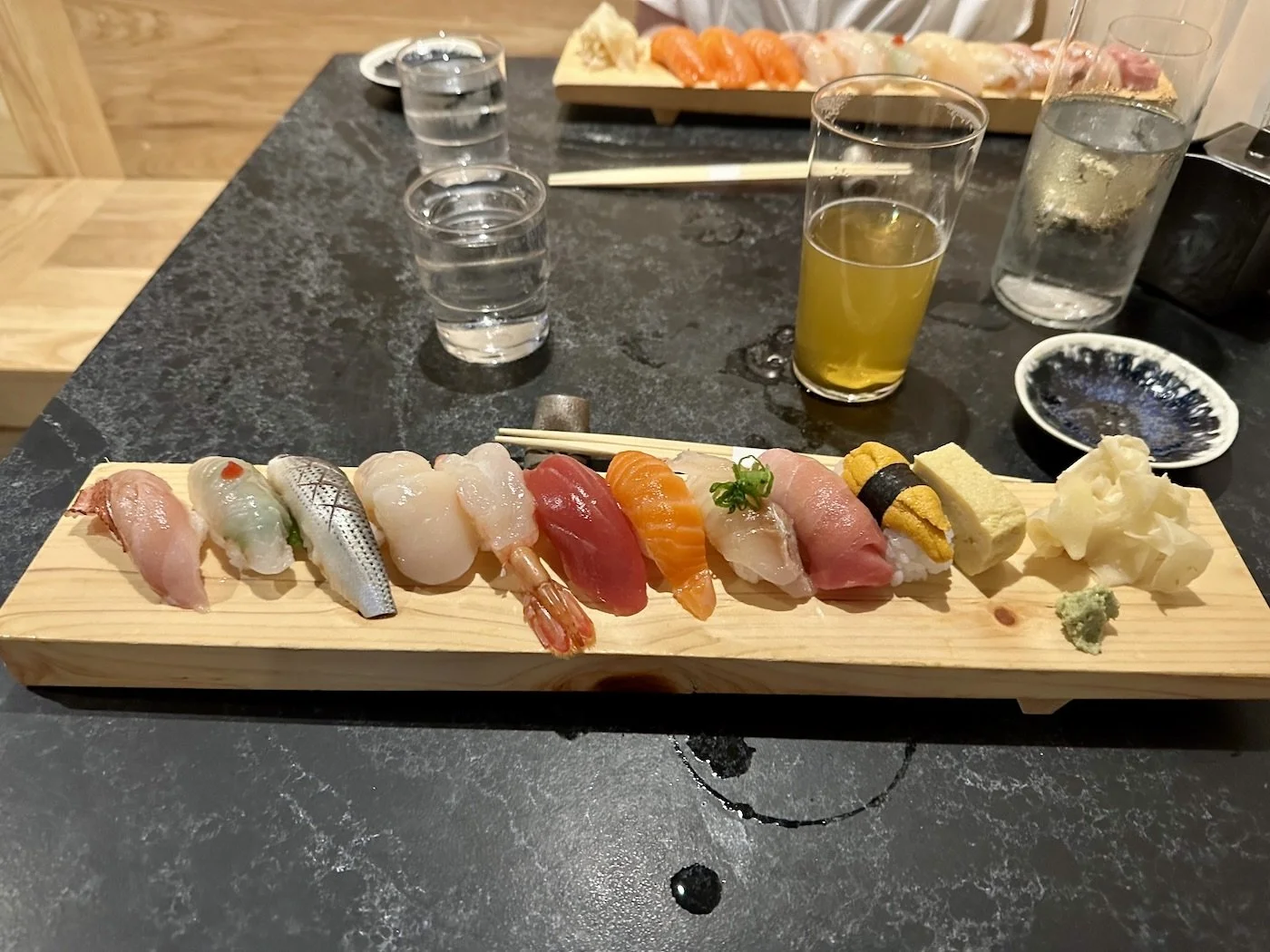
Can you tell this isn’t in Japan? Miyake in Portland, Maine is one of our stateside go-tos. Easy to love, a little tougher on the wallet.
Our initial target was $125 per day for both of us.
Realistically, I think $150 per day is the better planning number once we include snacks, drinks, sushi, and a few more expensive meals.
Across 14 spending days, that comes to $2,100 for both of us. That includes any paid hotel breakfasts and special meals we decide to book.
That doesn’t mean we expect to spend $150 every day. A quieter day with a free hotel breakfast, a simple lunch, and something light in the evening could cost much less. Another day might include a meal we’ve deliberately planned around.
The average gives us room for both.
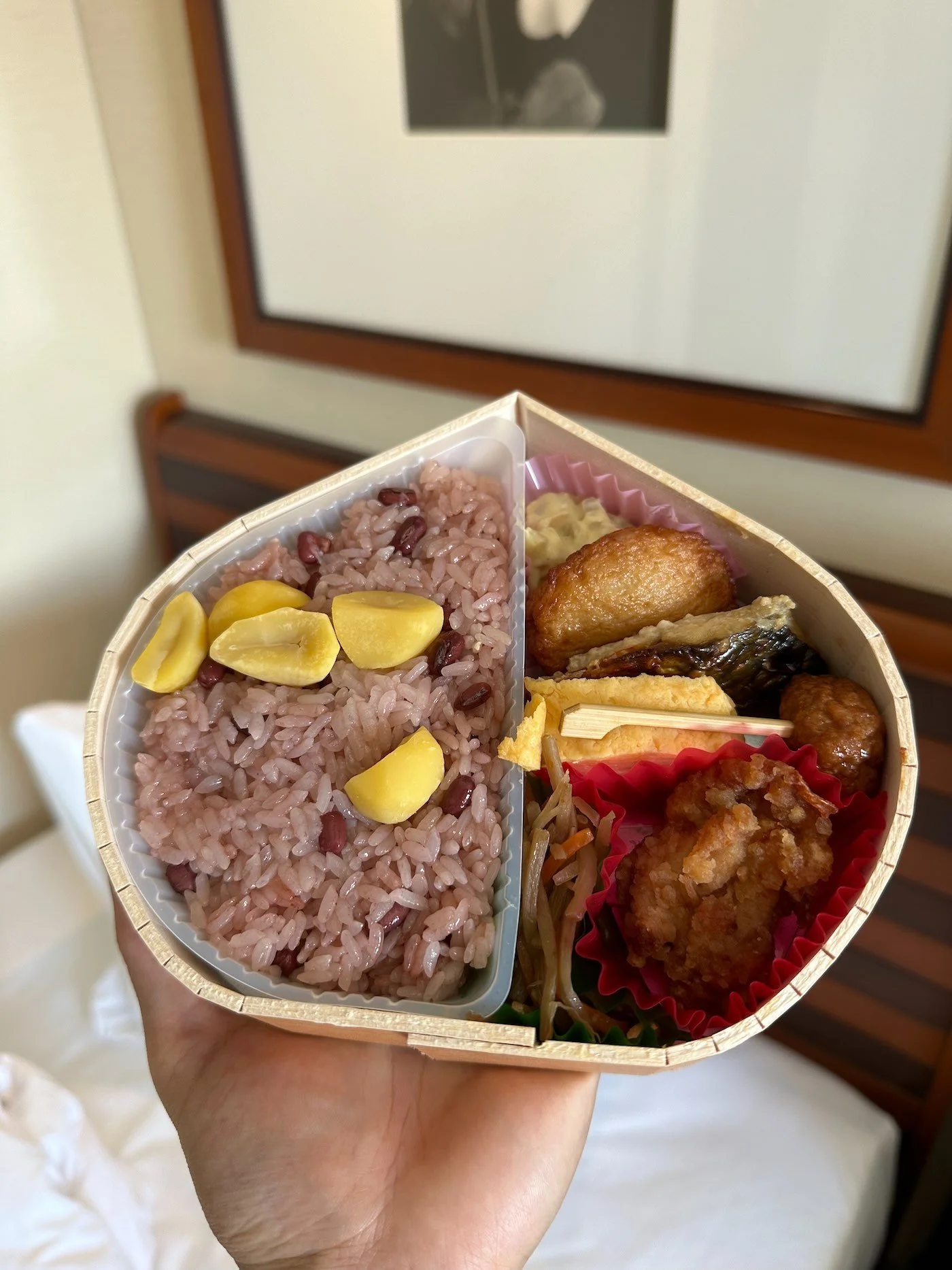
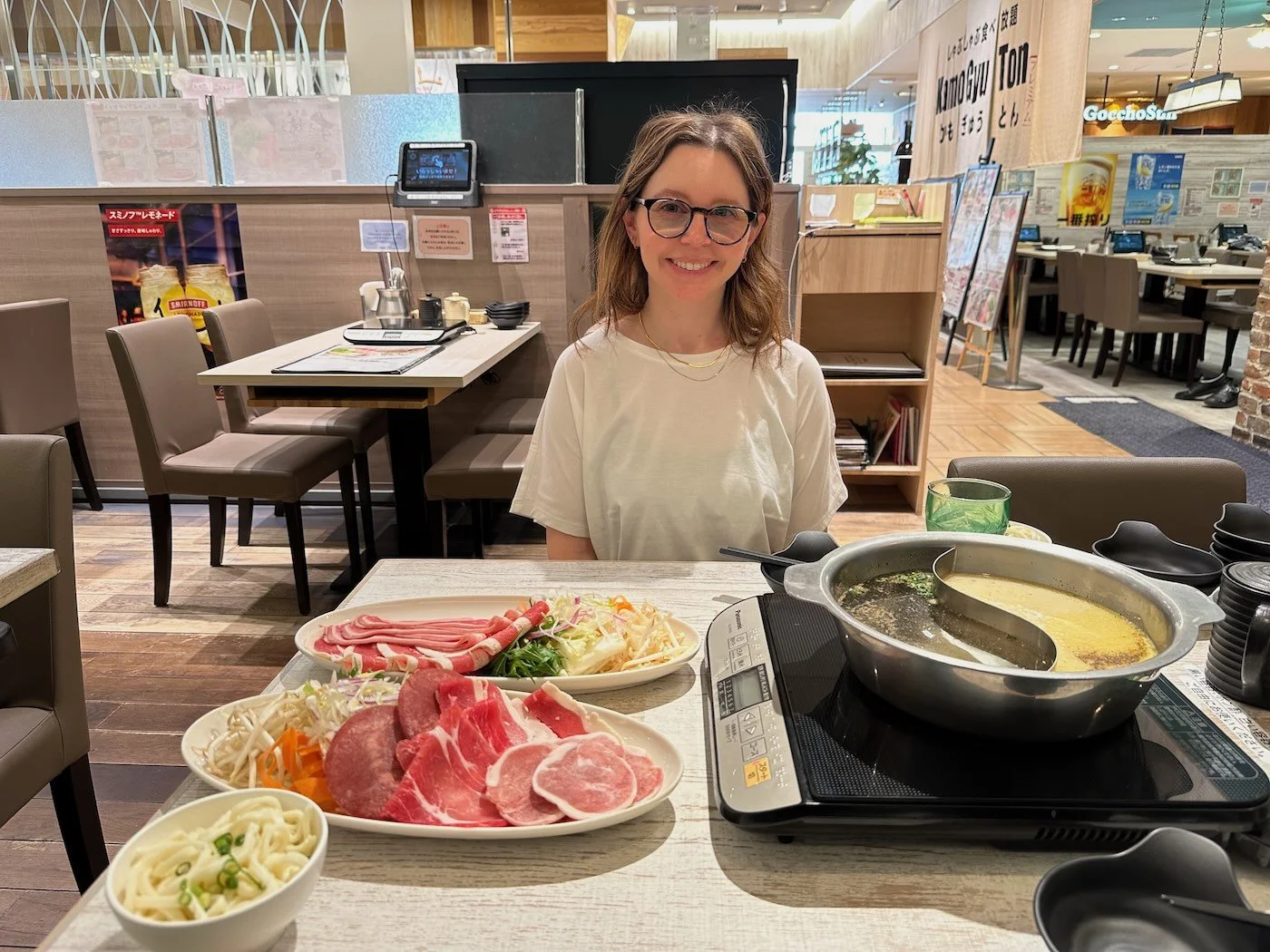
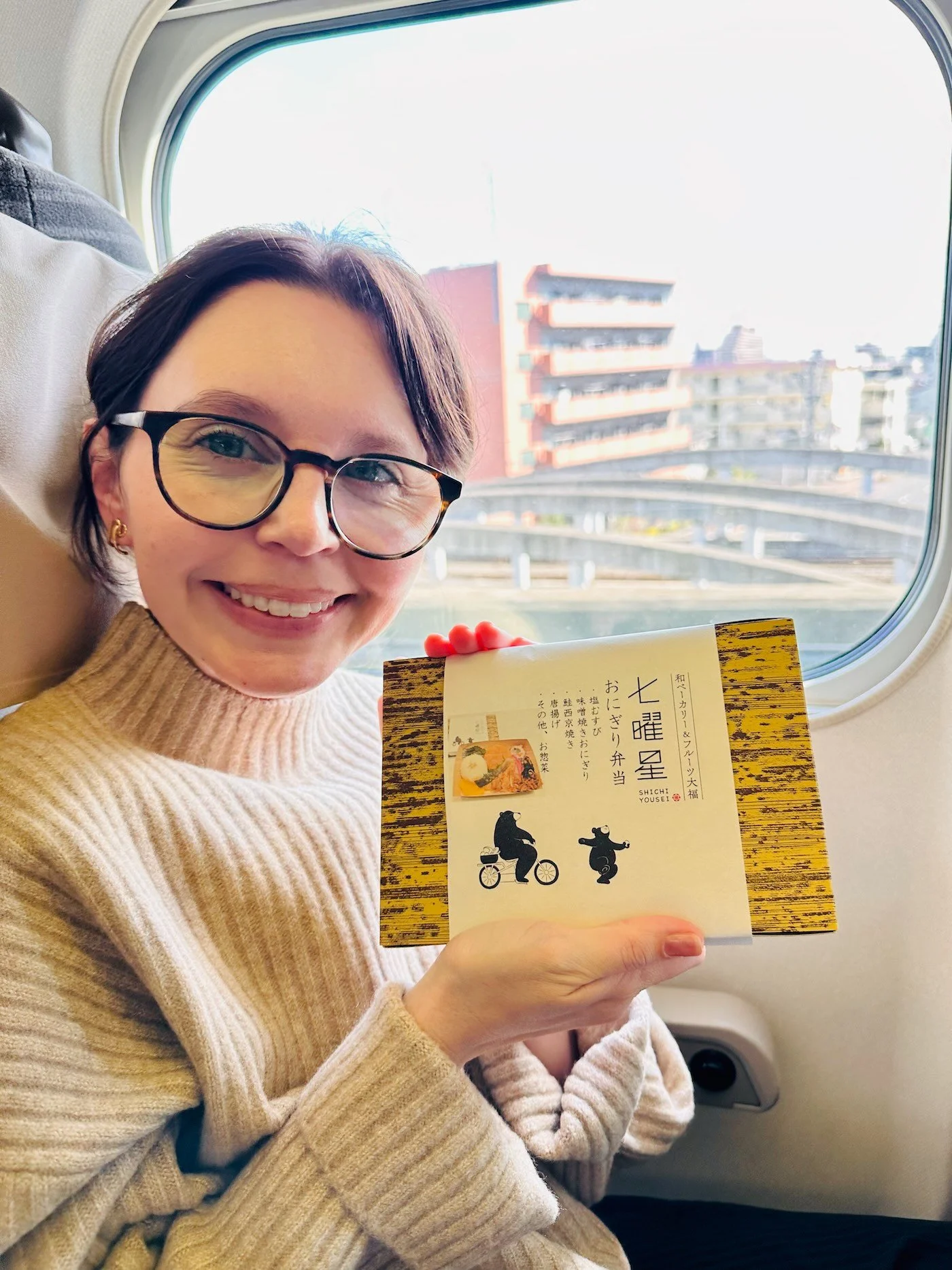
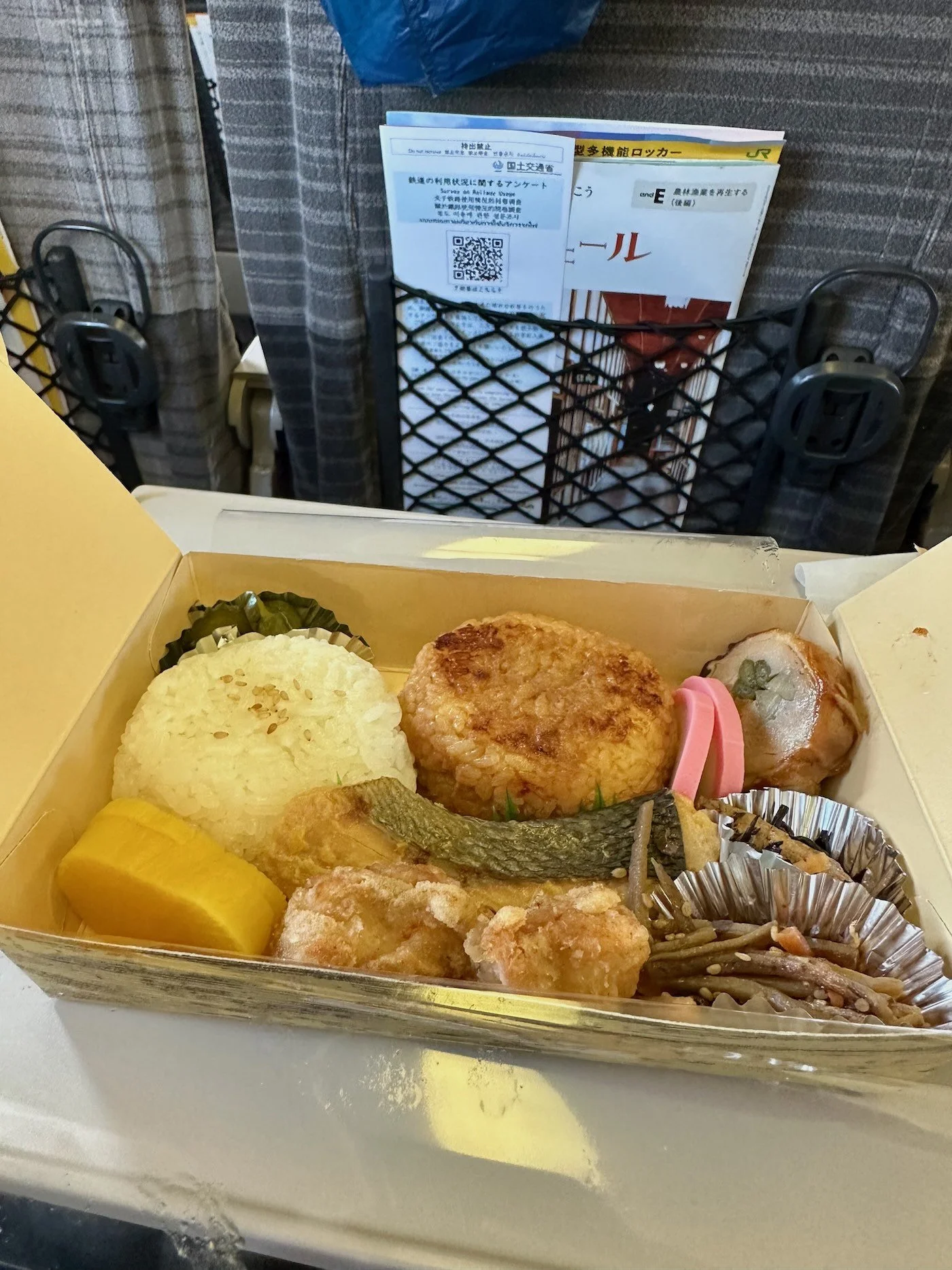
If we wanted to spend less, we could aim for something closer to $50 per day for two, built around inexpensive local restaurants, business-area lunch options, convenience stores, chains such as Saizeriya, and one of our personal favorites - a shop making handmade onigiri (riceballs).
That would mean being more careful about where we eat and how often we splurge.
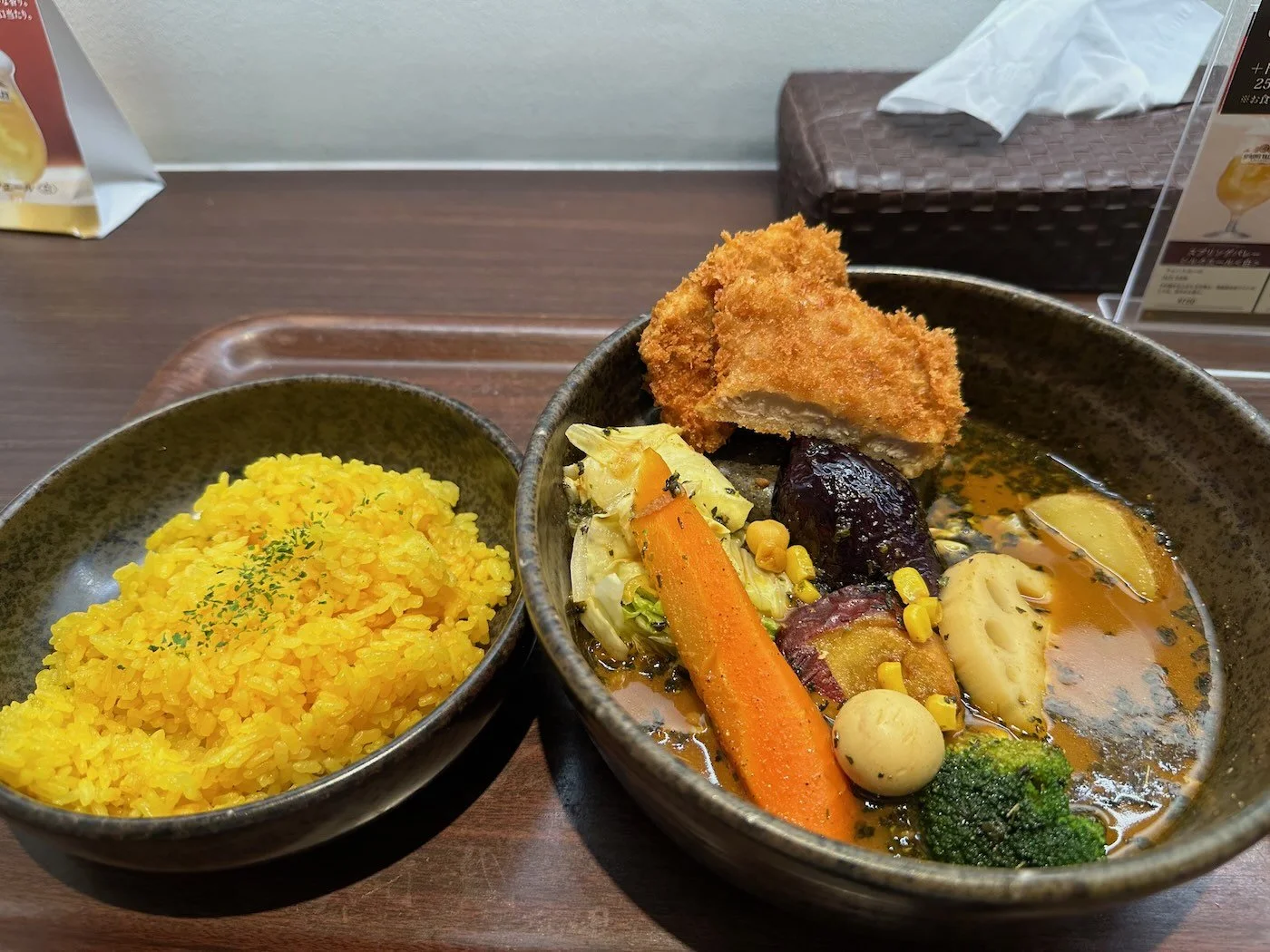
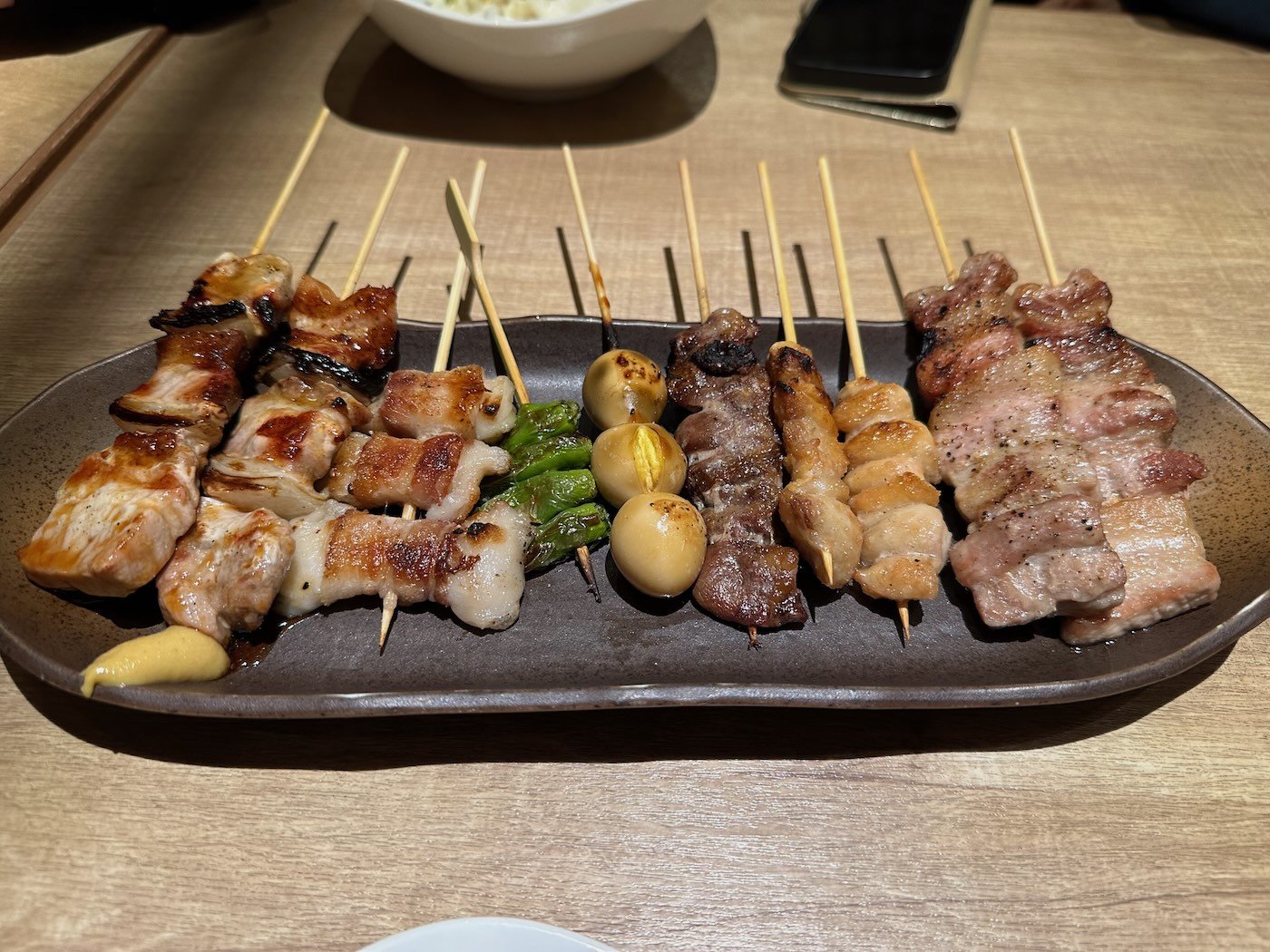
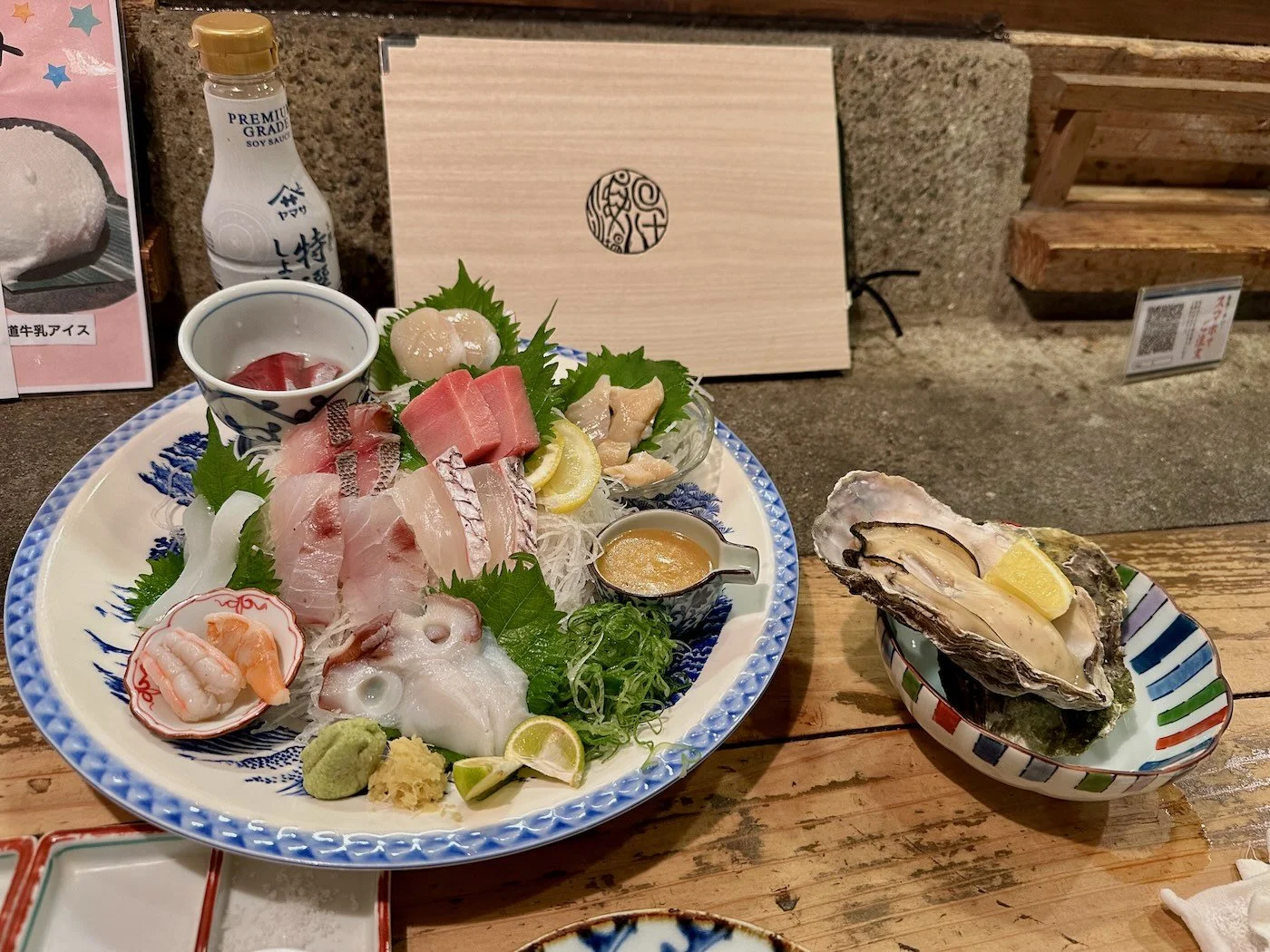
Our own meals will probably be a mixture. We don’t need every lunch to be an occasion - an inexpensive meal can be just as memorable. But I do want room for a special sushi meal and a few dining experiences that would cost far more back home, if we could find anything comparable at all.
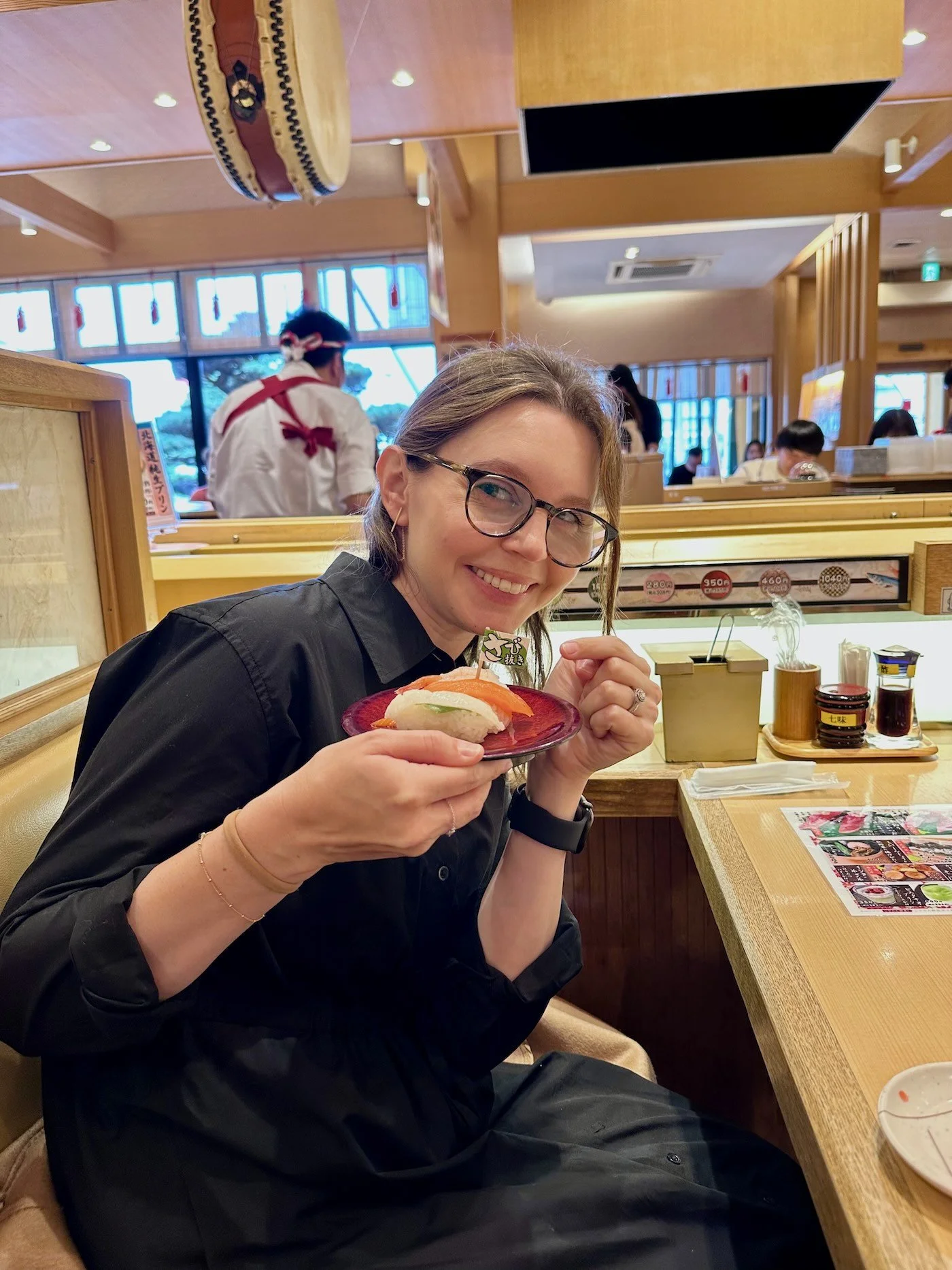
Yes, Cory is pointing to a little flag that says sabi-nuki, or no wasabi. And she is a self-professed sushi-lover at that.
The Smaller Expenses That Still Deserve Space
Internet and a Possible Backup Phone Plan
Just kidding
I usually end up spending around $125 for pocket Wi-Fi.
In the past, I’ve also used Mobal for phone calls to make reservations and as a second way to get online. I’d plan another $50-$75 for that.
Part of the appeal is having a backup when we forget to charge the pocket Wi-Fi. Yes, it comes with a portable charger, but it doesn’t matter when the portable charger is also dead.
On our last two trips, though, we didn’t spend much time doing separate things, and we didn’t make as many calls as we thought we would.
For now, I’m budgeting for the Wi-Fi and leaving the phone plan as a maybe.
Attractions, Tours, and Reservations
I’ve set aside $100 for sightseeing and tours.
I’m sure you’re looking at that, thinking, what on earth? I get it, that’s a super modest number - and it’s mainly because we don’t usually do many organized tours. It’s our budget for this particular trip, not a general recommendation for someone planning several paid experiences.
On a typical Japan trip, we may or may not visit a museum, and we may or may not tour a landmark. Getting access to temples and gardens can cost money, but it usually doesn’t do much damage to our wallets.
The only recent excursion that was slightly pricey was a matcha farm tour. But that was well worth the time and money for how much more we appreciate matcha now.
So yes, we’ll need to revisit this once we decide what we actually want to do - but we rarely spend more than a couple hundred dollars in this category.
Shopping, Matcha, and Gifts
Some of the matcha we brought home recently. So far everything here has been a solid 8 or above, with the exception of my last ditch desperation purchase at Narita airport - don’t buy that golden box in the back - it’s a little meh - neither terrible nor wonderful.
Shopping is the category where someone else’s Japan budget becomes least useful. Shopping budgets vary greatly from person to person.
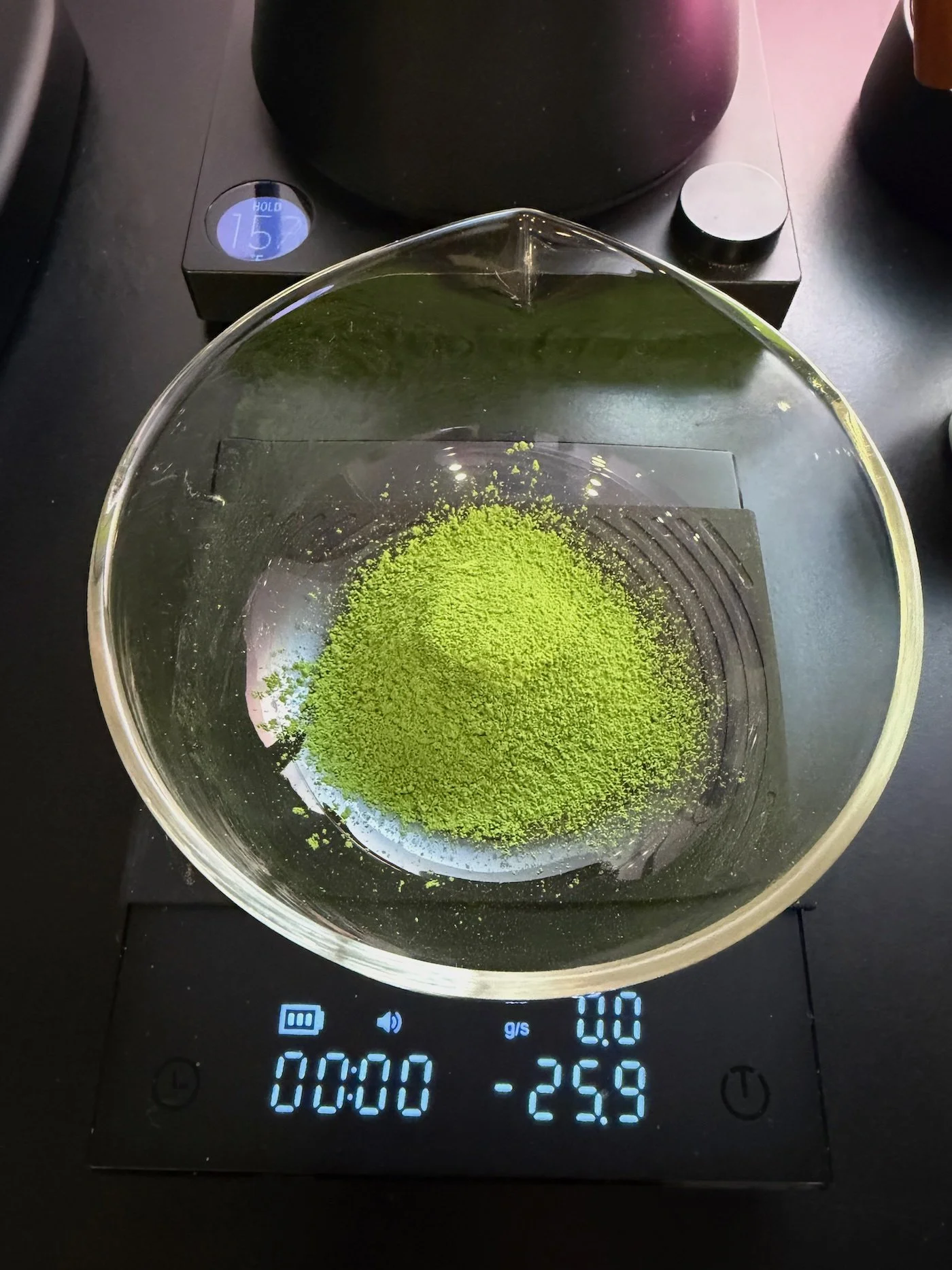
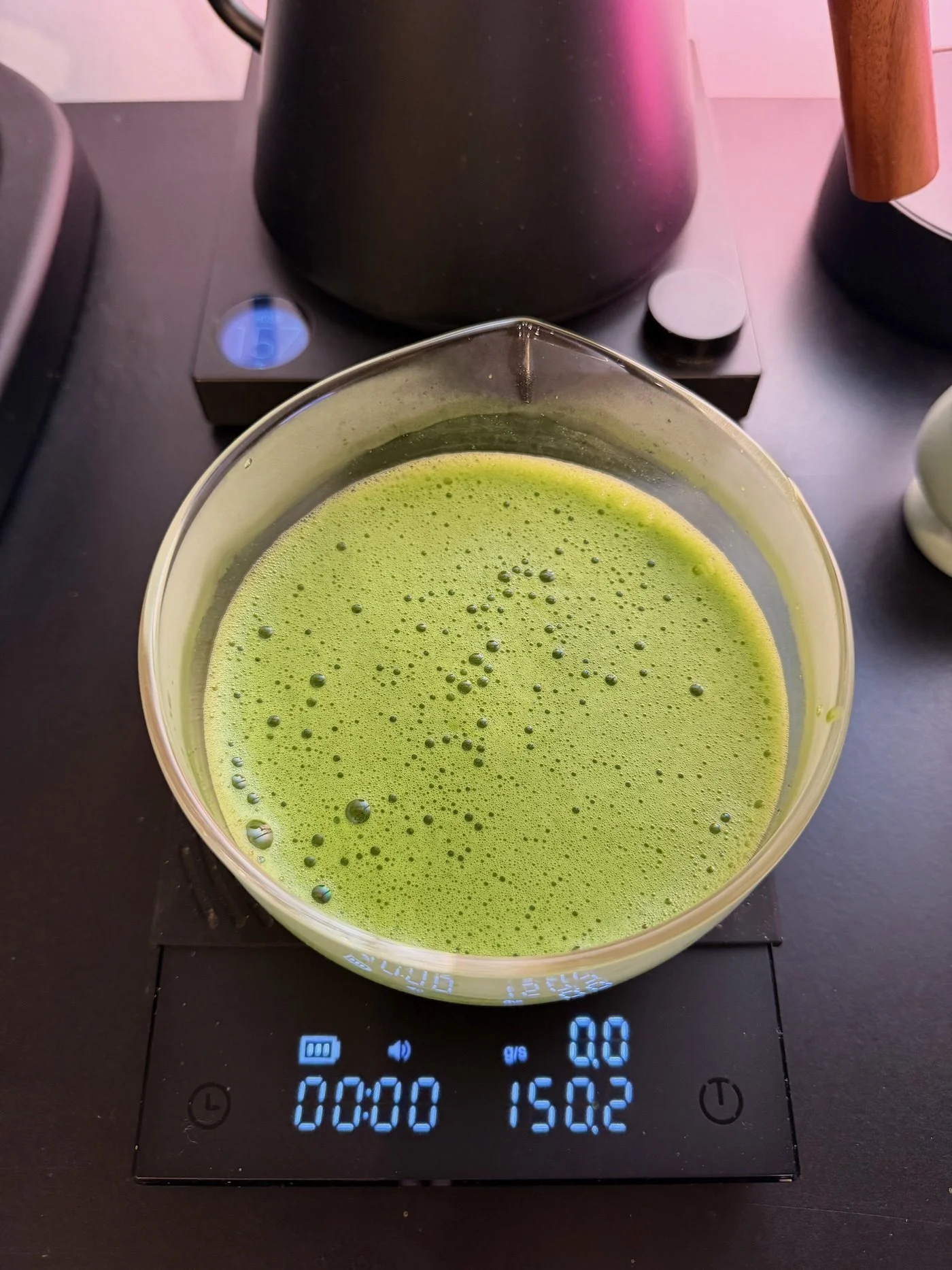
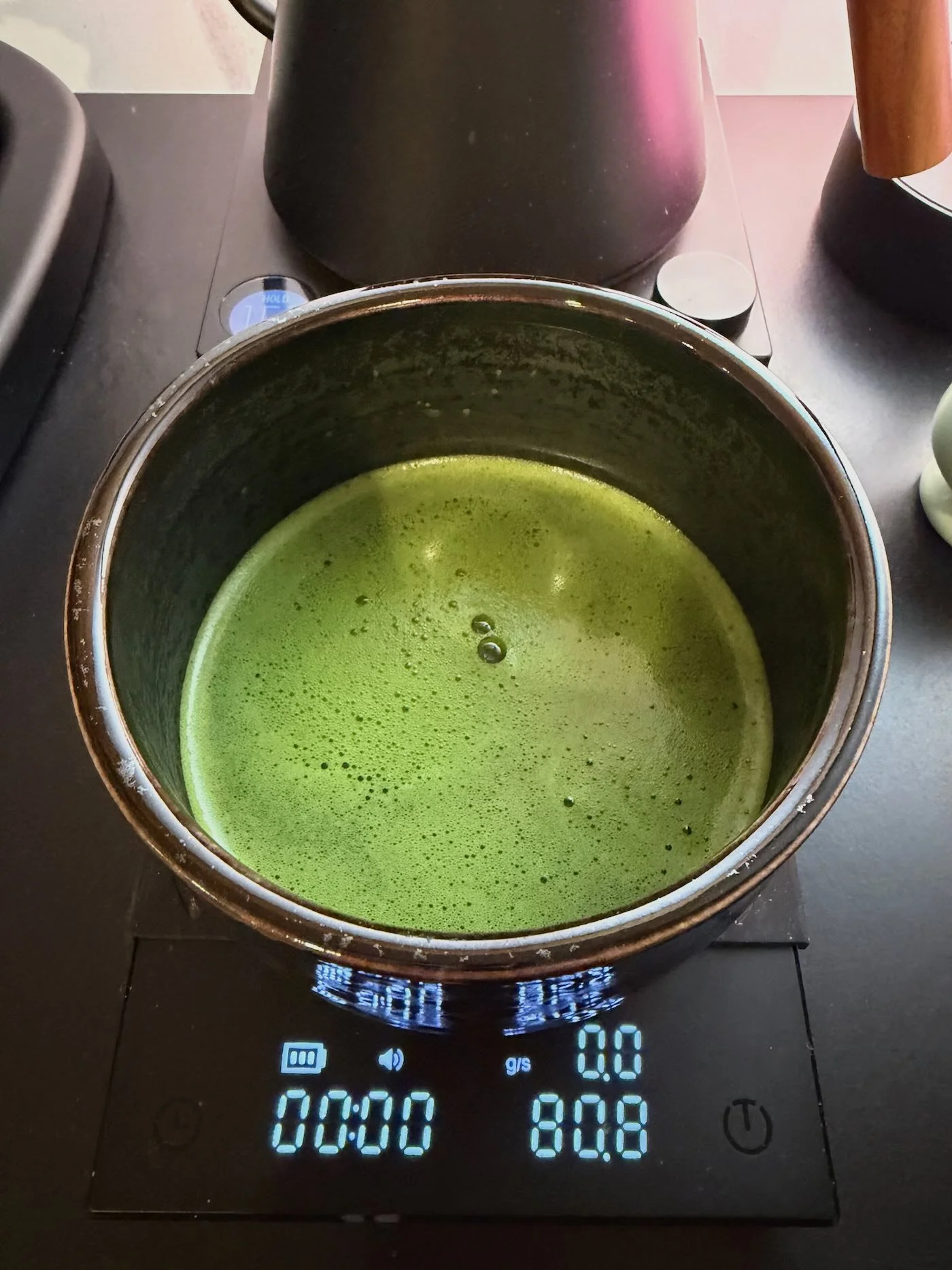
We normally spend at least $300 on matcha. We drink it every morning now, so part of our shopping ritual is bringing enough home to freeze and use over the following months.
We also tend to spend around $200 on gifts. I guess we owe favors to a lot of friends and family.
Beyond that, I’m leaving $250 for optional extras and surprises.
There’s also a practical side to shopping: everything has to fit somewhere. Our friends ended up buying luggage during our October 2025 trip after their shopping outgrew their tiny suitcases (we warned them!).
Funny enough, sometimes one purchase leads to another just to get the first one home.
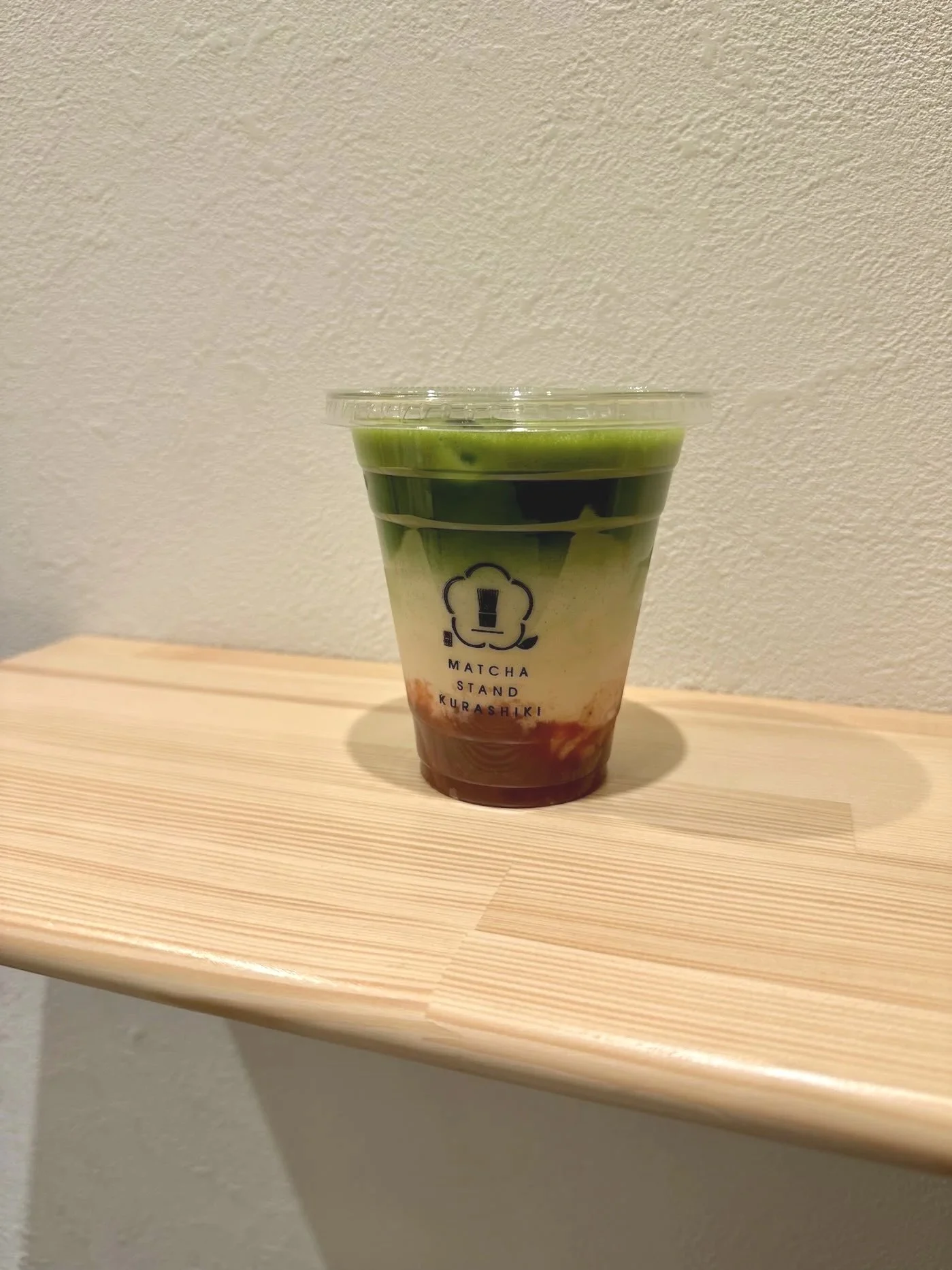
My daily matcha making routine of pure umami-happiness… and future goals
Luggage Forwarding
We usually ship our two large suitcases three or four times, with the final delivery going to the departure airport. At around 3,000 yen per bag each time, that adds up to roughly 18,000-24,000 yen - money we’re happy to spend to make moving around easier.
If the hotel adds forwarding to our room bill, I may be able to offset the eligible charge with points, though a few hotels have asked us to pay separately in cash.
Our January Japan Budget: Points and Cash Together
Here’s where the plan stands: the flights and several hotel stays are booked, while Tokyo, the Ritz-Carlton night, and our final three nights still leave room for decisions.
Flights and Hotels
Flight amounts cover both of us. Hotel amounts cover one room for the full stay listed.
| Booking | Points, certificates, and cash |
|---|---|
| Booked: Boston-Narita + Haneda-Itami | 100k AA miles + $11.20. JAL Premium Economy to Narita, overnight in Tokyo, then economy from Haneda to Itami. |
| Booked: Narita-Boston | 70k AA miles + $114.06, JAL economy. |
| Planned: Fukuoka-Itami and Itami-Narita | 30k Virgin points + fees, if ANA award seats are available. |
| Tokyo: 1 night | Undecided; leaning toward a Marriott Free Night Award plus points. |
| Booked: Yoruya, 3 nights | 59k Marriott points + two 35k Free Night Awards. Meals are extra. |
| Booked: Hilton Hiroshima, 3 nights | 121k Hilton points. |
| Booked: Grand Hyatt Fukuoka, 2 nights | 36k Hyatt points, including club access and breakfast. |
| Considering: Ritz-Carlton Fukuoka, 1 night | 45k Amex points + a $300 hotel statement credit toward the roughly $750 FHR booking. |
| Osaka area: final 3 nights | Points and certificates still undecided. |
The Cash Budget for Two
For food, I’m using our $150 daily target. Matcha to bring home, gifts, and other shopping sit outside that allowance.
| Expense | Trip allowance |
|---|---|
| Taxes and fees on our booked JAL flights | $125.26 |
| Food, drinks, and snacks for 14 days | $2,100 |
| Ground transportation | $700 |
| Pocket Wi-Fi | $125 |
| Attractions and tours | $100 |
| Matcha to bring home | $300 |
| Gifts | $200 |
| Optional extras and surprises | $250 |
| Luggage forwarding | $150-$200 |
| Estimated spending before transportation reimbursement | About $4,050-$4,100 |
| Proposed Aeroplan Pay Yourself Back reimbursement | −$700 |
| Estimated cash cost after that reimbursement | About $3,350-$3,400 |
The JAL fees appear in both tables for reference but are counted only once in the cash total. The food allowance includes paid hotel breakfasts and any special meals we decide to book.
That puts us around $3,400 for two, assuming we cover the remaining hotel room costs with points, certificates, and the credits discussed above, and the transportation reimbursement works as planned.
The optional phone plan would add about $50-$75. Domestic-flight fees, any cash we choose to put toward the remaining hotel bookings, and any additional card fee from upgrading to the Aspire would also be extra.
Once the remaining bookings are settled, I’ll update the estimate. After the trip, we’ll see how it compares with what we actually spent.
Making Room for the Trip We Want
Points have covered much of the cash cost of our flights, and we’re working toward doing the same for every hotel night. That leaves us with a much more enjoyable question: how do we want to spend our money once we’re there?
We often come home having spent less than we budgeted - which is kind of an accomplishment for us, since we are both somewhat of an impulse-buyer and we tend to egg each other on.
Part of that success, though, is probably from generous budgeting. Another part is that included meals and hotel benefits really add up. I would rather treat that as a pleasant bonus than count on it when setting our budget.
There are still decisions to make, including whether dinner at Yoruya earns its place in the budget and which hotels we choose for our final three nights.
But with most of the bones of our trip set in place, I’m very content - we have time to work out the remaining details.
Points and miles make a trip like this possible for us. Now I want to enjoy the hotels, say yes to a few special meals, and bring home the things we’ll still be enjoying months later - without coming home to a much bigger bill than we planned for.
Continue Your Journey
The Framework I Use to Plan Every Japan Trip With Points - The Complete Overview
How Many Hilton Points Do You Need for a Japan Trip? Budget-Friendly vs. High-End Award Stays
Points-Rich, Strategy-Poor: Why 300k Miles Can Still Get You Nowhere
Flights, Hotels, and the First 48 Hours: When the Plan Meets Reality (Part 3 of 5)
