The Japan Airbnb Myth vs Reality: Are They Better Than Hotels?
Five Airbnb stays across Japan taught us that the right accommodation can either elevate a trip - or quietly complicate it.
As someone who grew up in the States, I gradually realized that many American chains and services in Japan often felt cleaner, cheaper, and better run than their counterparts back home.
So naturally, I assumed Japanese Airbnbs would also be better - cheaper, more authentic, more spacious, and located in charming local neighborhoods.
After five different stays across Japan, I realized the reality is much more nuanced.
Between 2017 and 2025, we visited Japan six times and stayed in five different Airbnbs across the country. Some were excellent. Some were forgettable. One completely changed how I think about Airbnb stays in Japan.
Myth #1 - Airbnbs Are Always Cheaper and Better Value Compared to Hotels
It’s true that Airbnbs can offer value when staying with multiple friends or families who can split the bill. But some of the tradeoffs are hidden behind the enticing nightly price.
The first issue I’ve come across is layout.
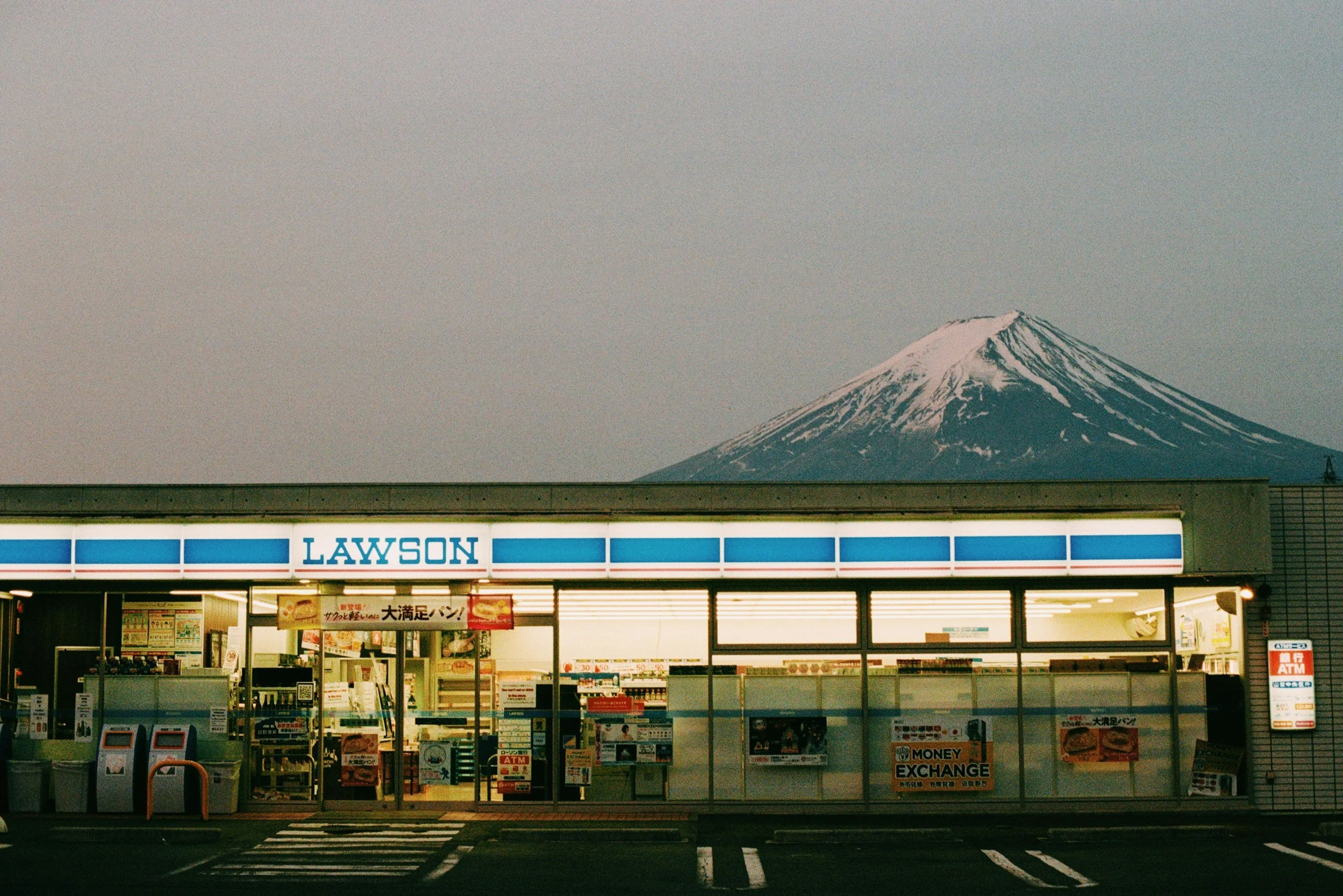
In 2023, we traveled with a friend couple to the Fujikawaguchiko area, near the now iconic Lawson with Mt. Fuji behind it. We rented an Airbnb that was only a five minute walk from that very store - heck, we bought our snacks and ice cream there every day.
Initially, the Airbnb seemed perfect. It was located in a nice area off the main road, and was nestled in the hills. The building itself was newly renovated and all the appliances were brand new. The house was 2-bed 2-bath and was immaculate.
But then, we realized that both bathrooms were downstairs - a detail that was carefully omitted in the listing. Strangely, there was a shower upstairs, but no toilet. Almost as an afterthought, a tiny half bath was awkwardly squeezed between the kitchen and first-floor bedroom.
So that was strike one.
Strike two - almost no kitchen tools or basic ingredients to cook with. Again, the appliances were beautiful, but without any salt, pepper, water, cooking oil, anything, the kitchen was practically useless until we went and bought everything. It was really annoying to have to find tiny bottles of these things at the local Lawson, knowing we’d be leaving in three days. I had never seen such a bare refrigerator or kitchen before, in any Airbnb.
Thankfully, there was no strike three.
None of these issues ruined the stay, but they made me realize how quickly a “cheap” Airbnb can become less relaxing and less convenient than expected.
Also it was hard to ignore the fact that a Japanese inn would have provided meals, a comfy area to relax in, and even provide amenities like hot springs and spa services.
Would that have cost more per night? For sure. We only paid $120 per family per night for the Airbnb so it was almost half what we would have paid for any decent inn in the area.
But some of the unexpected things added a little more effort and time than we would have liked.
Would we stay in an Airbnb again in this area? Maybe. But I’d be happy to splurge $300 a night to get a well stocked Airbnb or, for an even smoother stay, a Japanese inn - especially because points hotel options are sparse (1 Marriott and 2 Hyatts.)
In situations like this, flexible points can soften the higher cost of inns and hotels. For example, I’ve redeemed Chase Aeroplan points through Pay Yourself Back to offset travel purchases at a solid value.
Myth #2 - Highly Rated Airbnbs Automatically Mean Comfortable Stays
Do you order food delivery? I do, and I often look first at the review score and the number of reviews. Is this usually pretty fool-proof? I think so. But once in a while, when we venture outside of what we are familiar with, we get hit with a meal that makes absolutely no sense. Like, how is this remotely decent?
On a similar note, when Cory and I were planning a last minute trip to Sapporo for my sister’s wedding, we had to find a place to stay but we couldn’t find a convenient points hotel. So we opted for a nice looking Airbnb apartment in a high rise building, with stellar reviews.
The photos showed a jet tub overlooking the city, and a nice modern looking studio apartment - perfect for our super-short 5 night trip.
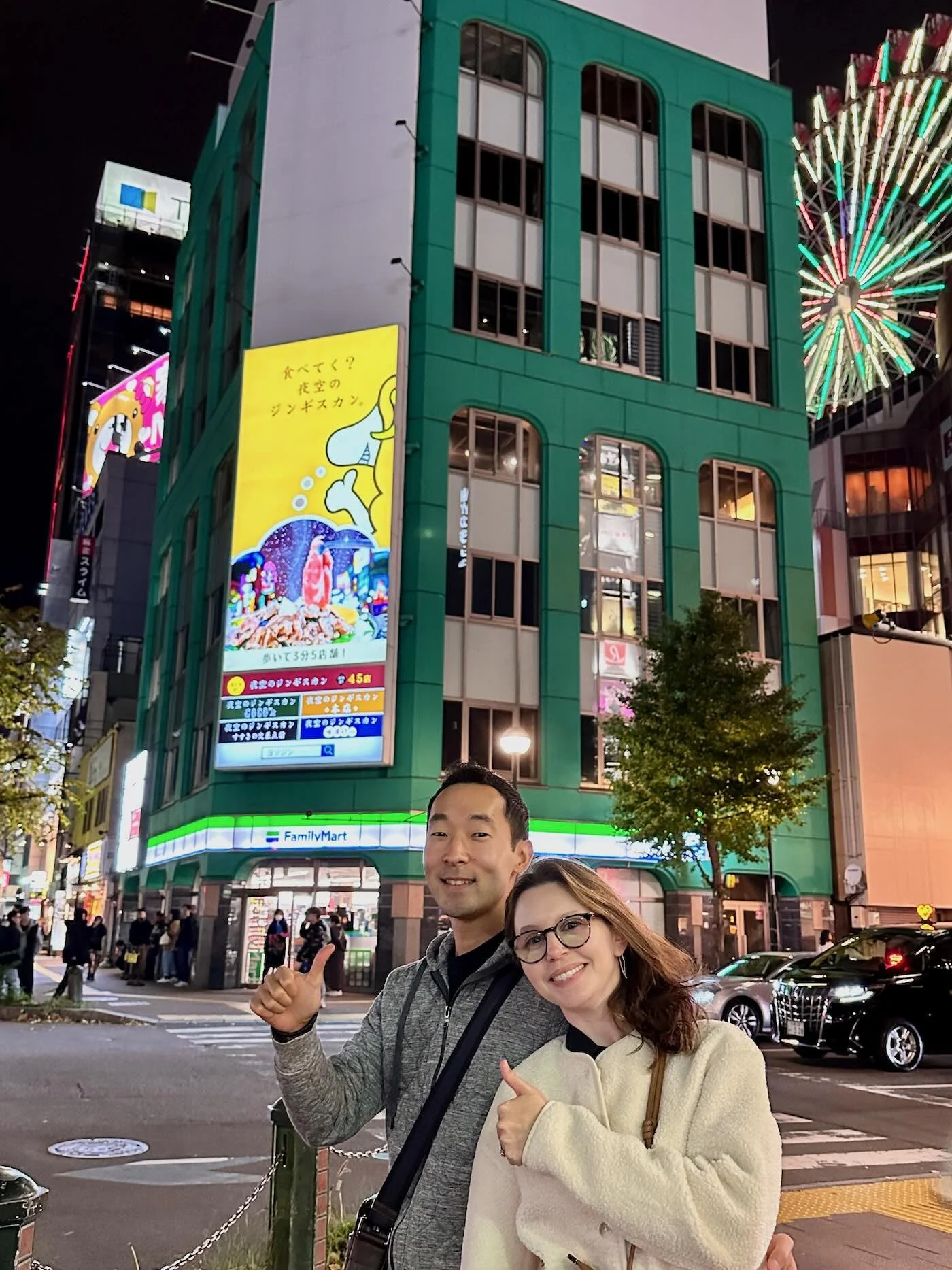
Do you know how my family reacted when I excitedly said I’d booked a luxury Airbnb apartment in Susukino? They died laughing. In between gasps, they asked, “Why Susukino?” I was like, “Hold on, what's wrong with that?” And they tell me that it’s the red-light district of Sapporo!
A quick search later, I learned Susukino is one of Japan’s most famous red-light and nightlife districts.
I mean, really? Really?
Sure enough, from Sapporo station, I saw so many sketchy looking hotels and shops on our short taxi ride to the Airbnb. I tried to keep it positive and pointed at all the neon signs - which Cory ignored, rolling her eyes.
When we arrived, the taxi driver kind of playfully waved his hands, telling me to have a good time. Ugh.
The apartment was actually hard to find at night - there were two identical buildings and the owner’s description was, “Yellow chairs in lobby. Can’t miss.” Both buildings had yellow chairs!
At this point, Cory was not happy. As we went to the second building, we found our way in with a key code, and took the lonely elevator ride up. When we arrived on our floor, the hallway was dark - and lit up as we walked forward. Literally nightmare material.
Did it feel unsafe? Not necessarily. But was it pleasant at night? Heck no.
We hurried into our Airbnb and quickly locked everything.
Had we known that the Airbnb was in such an interesting area, we would not have booked it. During the daytime, it was actually pretty pleasant, but our introduction was rough.
To make matters worse, the tub I was looking forward to so much smelled a little bit like mildew. It’s a common smell in older Japanese bathrooms due to the excessive humidity and moisture. I’d expect it at my grandparent’s home. But in an Airbnb? Now I was upset.
Finally, the entire room smelled heavily scented by something to mask whatever else may have been in the air. We tried to ignore that as best we could and closed our eyes after our long trip.
The lesson? Always check the local area. Don’t always assume it’s nice because the photos make it look so perfect. Thankfully the owner was nice and quick to respond when we had questions, but we would have paid double than to stay there again.
Much like the first myth, this is where hotels may shine - transparency. You know exactly where the hotel is located, how old or new the property is, and what the hotel offers. Airbnb’s can be a bit of a mystery until you pay and arrive - you don’t have the exact address, you don’t know how it’ll smell or how it’s been cared for (or not.) The surprise factor and the uncontrollable variables of an Airbnb were certainly highlighted in this booking. And of course, a lot of the blame is on me for not double checking where in Sapporo we were staying.
The lesson? Always research the surrounding neighborhood - not just the apartment itself.
The listing photos looked fantastic, but photos can’t tell you how an area feels at night, whether a building is difficult to access, or how well a property has actually been maintained.
This is where hotels often shine. You usually know the exact location, the age of the property, the amenities, and what kind of experience to expect.
Airbnbs can feel far more unpredictable - for better or worse.
Myth #3 - Hotels Are Always the Safer or Better Choice
This too, is a myth. There’s always a trade-off between staying in a hotel versus an Airbnb, but it doesn’t mean that there aren’t any good Airbnbs out there.
In the fall of 2023, we were looking to reconnect with some friends from New York who’d relocated to Yokohama. They’d only been there for six months and had only explored the areas closest to Yokohama city, so we suggested a long weekend in Hakone, for a change.
After much extensive research, we settled on a very fancy, yet cozy-looking home in Hakone, stacked with amenities like a massage chair, sauna, onsen-fed bath, cold plunge, and a peaceful private deck.
The photos looked amazing, and even better, the home lived up to the online portrayal.
This home was truly the creme de la creme of a relaxing escape from the intensity of Tokyo and Yokohama living.
Hakone is a beloved urban retreat for many, thanks to its proximity to Tokyo, but is also renowned for its hot springs and resorts.
This home did not disappoint. The cold plunge water had soaked up the scent and oil from the wooden bath, feeling almost creamy to the touch - a perfectly soothing clincher after a hot bath or sauna. Actually, this experience is what made me obsess over saunas and cold plunges on future trips.
The hot onsen water was absolutely a cure for our aching bodies after a long day out.
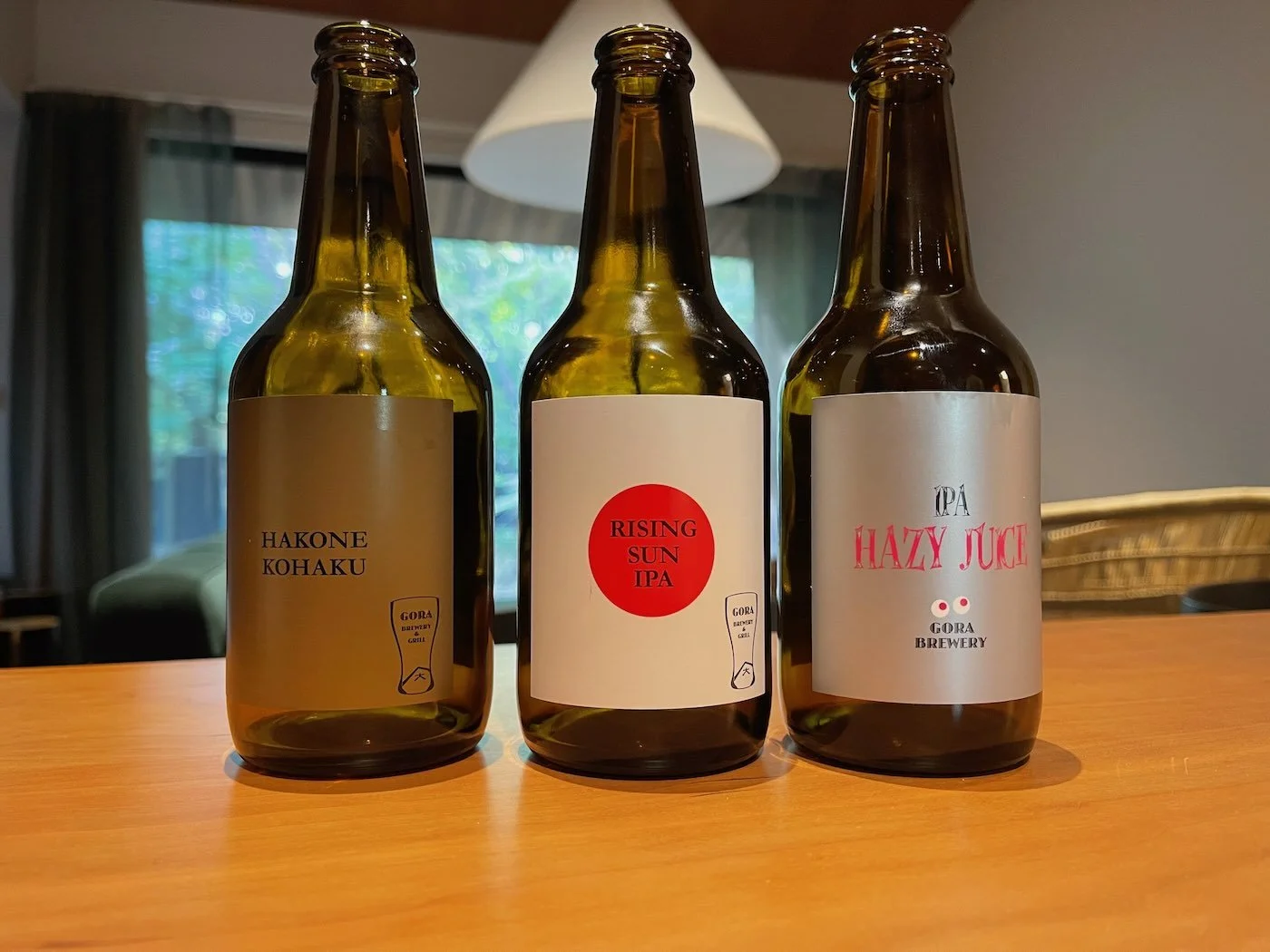
Each evening, with a local whiskey in hand, our friend would pass out mid-sentence, comfortably cocooned in the massage chair.
The big doors in the living room let in fresh air and the sound of birds chirping each morning, as we sipped tea and stretched out.
Unlike the other two Airbnbs, no amount of imagery can convey what we saw and experienced there, so here is a link to the villa we stayed in.
https://asnova-resort.com/noie-hakone/en/houses/okusuite/
The Difference Local Management Makes
And here is my one observation after having stayed in only a handful of Airbnbs in Japan.
It seems that this gem in Hakone and the other one we love in Kyoto are run by local companies that operate separately from Airbnb. It’s like they are just advertising on Airbnb, and are happy to rent out to foreign visitors - for a fee. The reason being, the cost per night is always higher on Airbnb and cheaper on their own website or platform.
So, for your future Airbnb searches, if you find a promising one, it may be worth Google-ing the property name to see if another website pops up offering the same exact accommodation.
With our “hidden gem” Airbnb in Kyoto, we discovered it on Airbnb, rented it once, loved it, and have booked through their actual website ever since. We’ve stayed in that one a total of 4 times. Again, owned by a small local company that manages this building with only 5 units.
And perhaps that is the biggest differentiator. When the property is managed by a real team and a local company, it is run extremely well, and communication is very strong. With individual Airbnb hosts, you don’t really know what their standards are until you actually stay there. They may have wacky rules that are poorly phrased, or they may not maintain the property as regularly or thoroughly as you’d expect, leading to some disappointments.
Cory’s biggest pet peeve in Japanese Airbnbs is the trash rule. I understand that sorting the trash is very important in Japan, but to the average American, labeling one trash as “non-combustible” and the other “combustible” does not help. I’ve never lived in Japan either, so I also had trouble with this - second-guessing everything I threw out.
In hindsight, this is silly. One search, and you’d know what to throw out - but when you’re surrounded by four categories of trash bins and they all say something odd, it can be annoying. And this goes for other explanations around the house, such as for washing machines (only in Japanese) and house rules (again, with poor English explanations). I felt very wise on our last trip, when I could read the Japanese instructions on our washer-dryer machine. Before I stepped in, our friend, Whitney, was using an app to understand the buttons and swore she pressed the right ones - only to start a wash cycle again.
Verdict? Airbnbs Can Be Memorable
On a final note, this experience in Hakone would not have been nearly as memorable had we not stayed together and shared the space and amenities with friends. The quiet residential atmosphere added to the getaway's relaxing feel, while the full kitchen made it easy to cook and reheat meals throughout the trip.
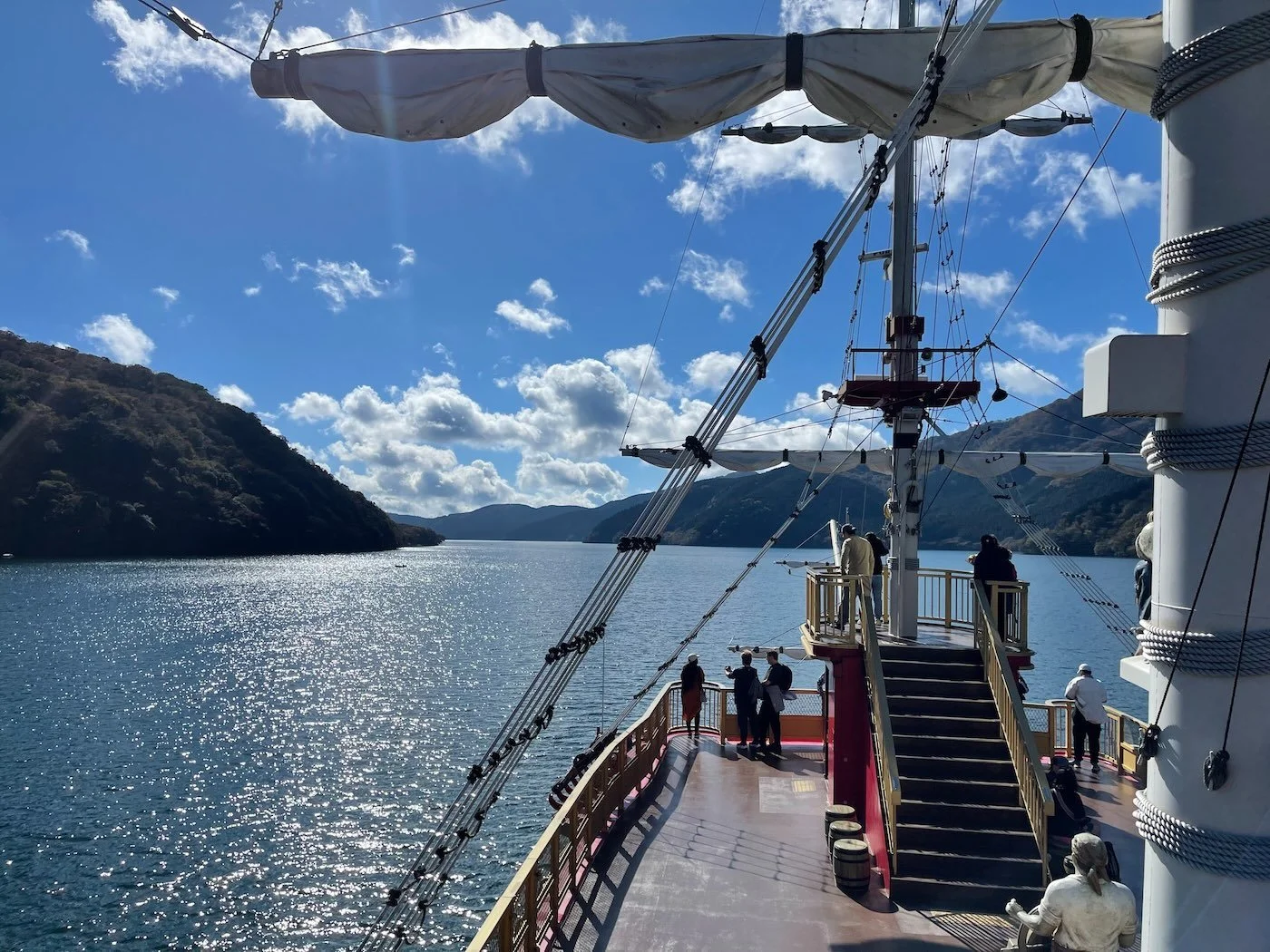
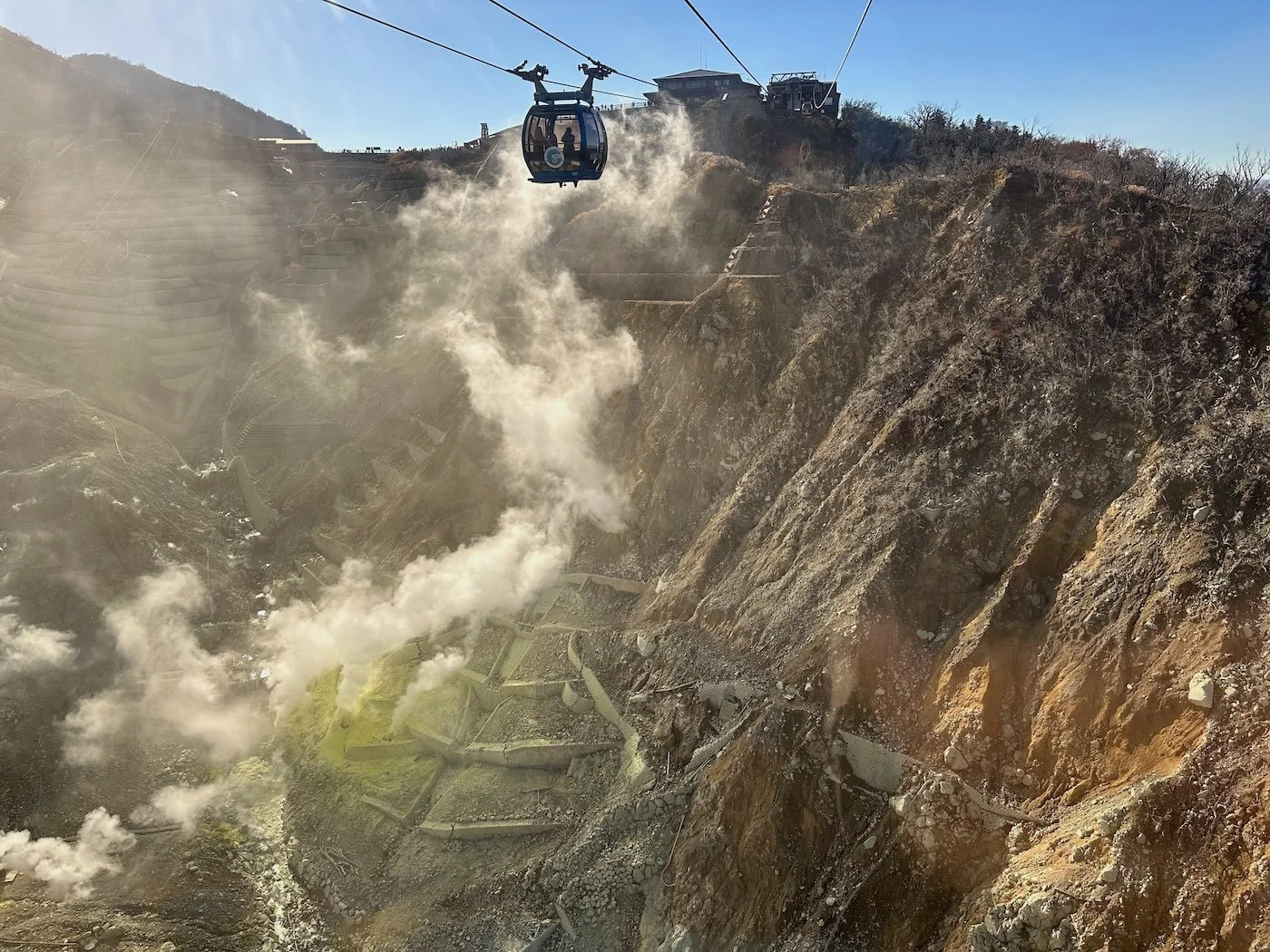
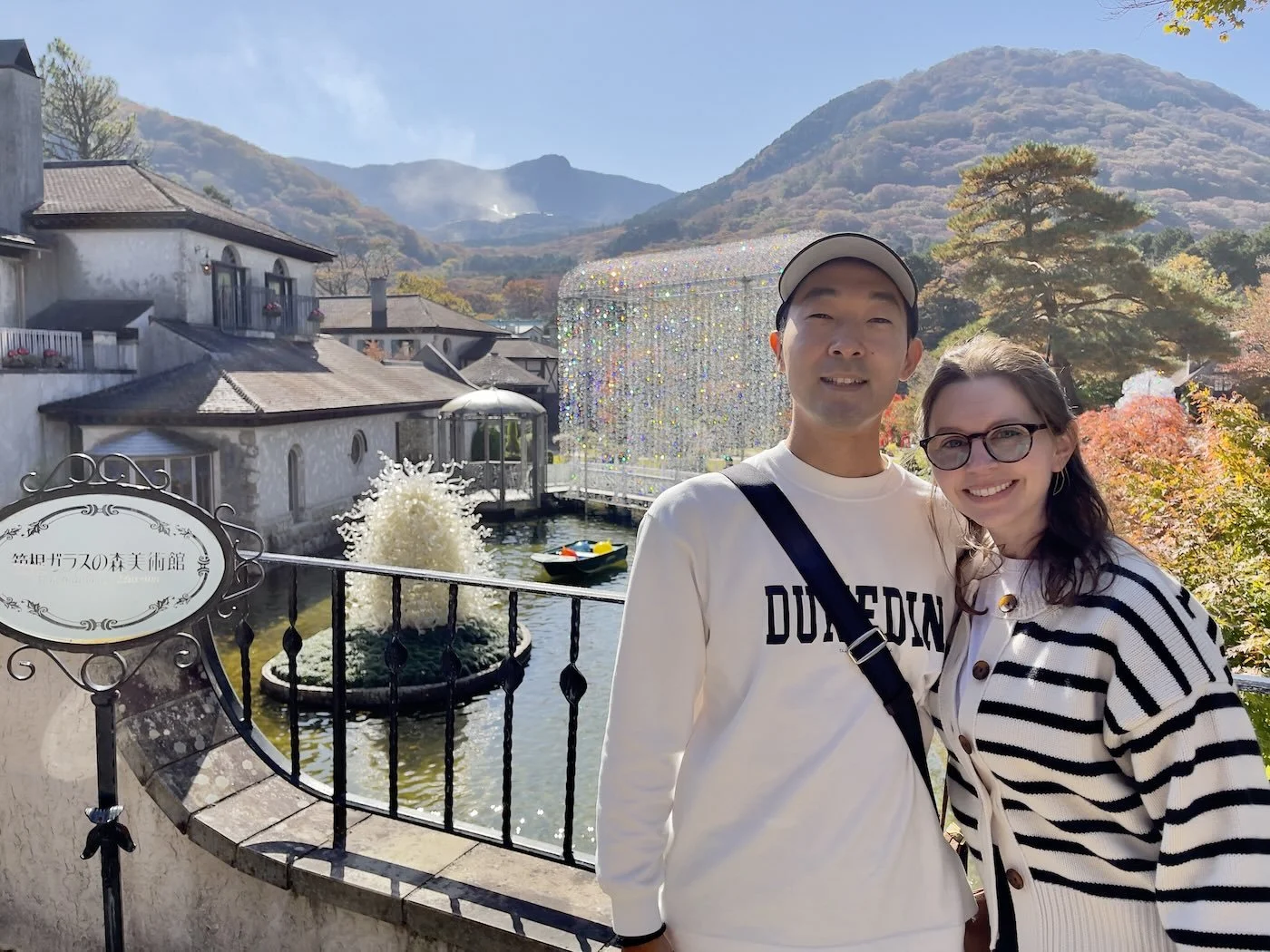
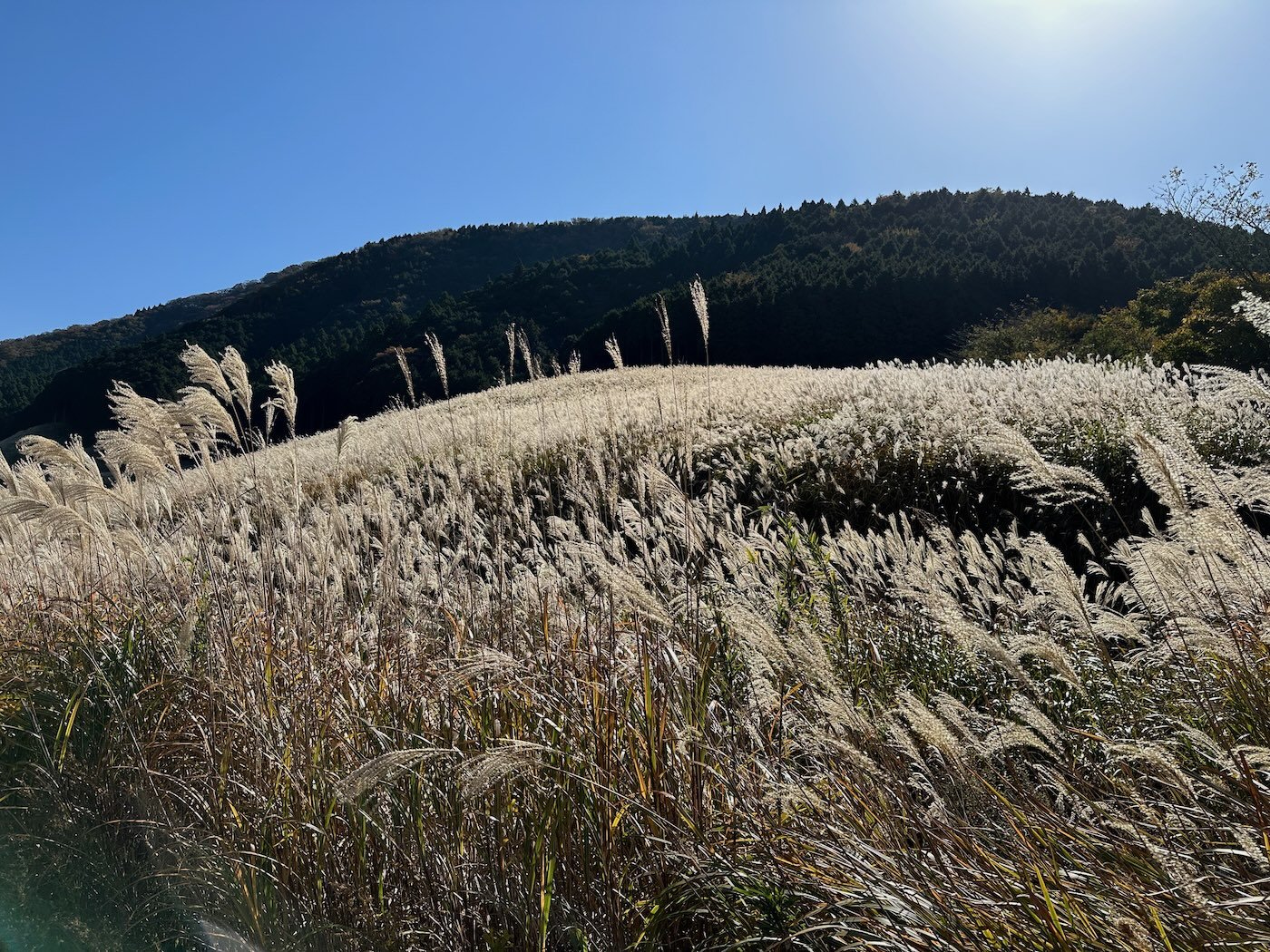
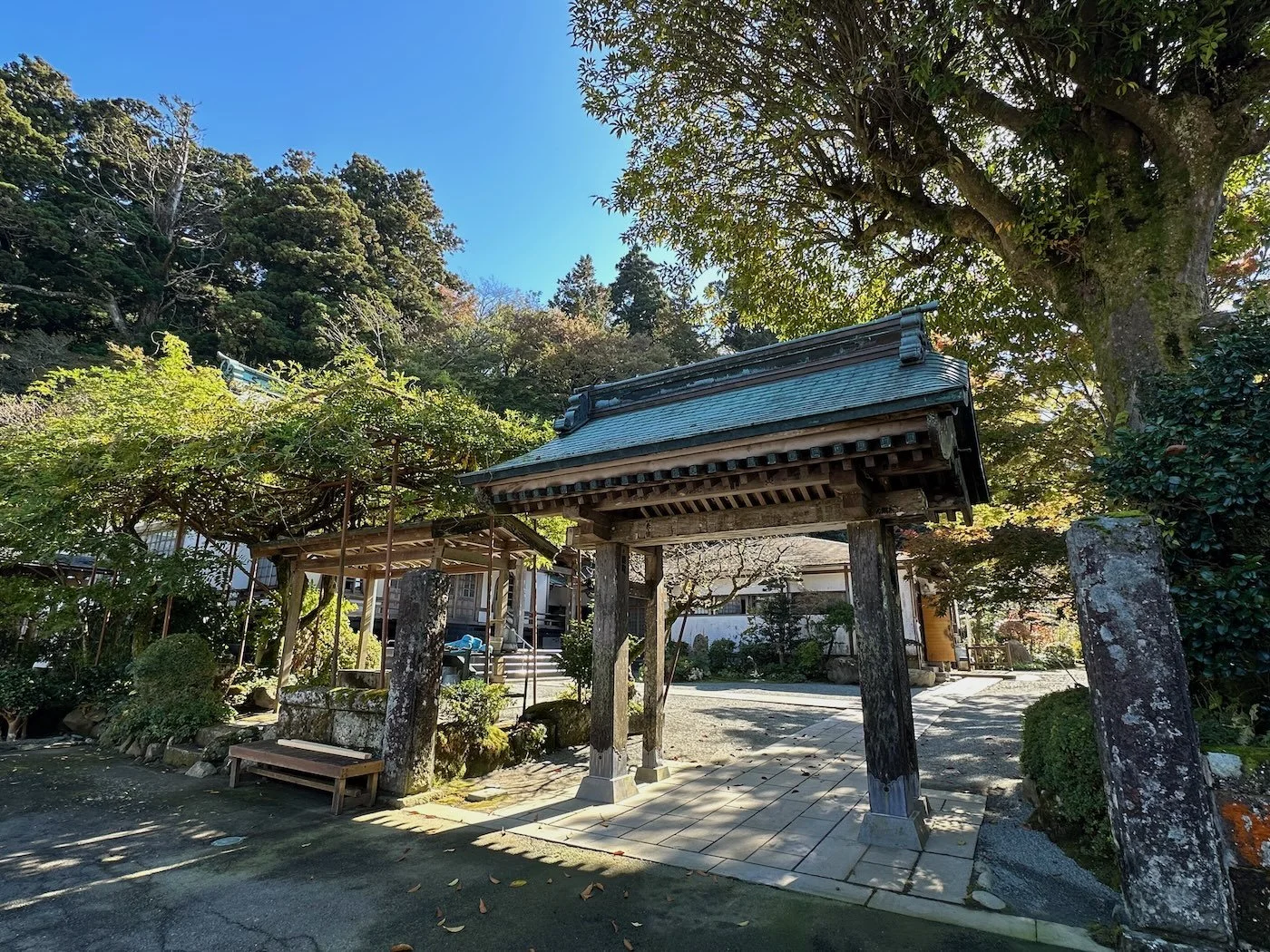
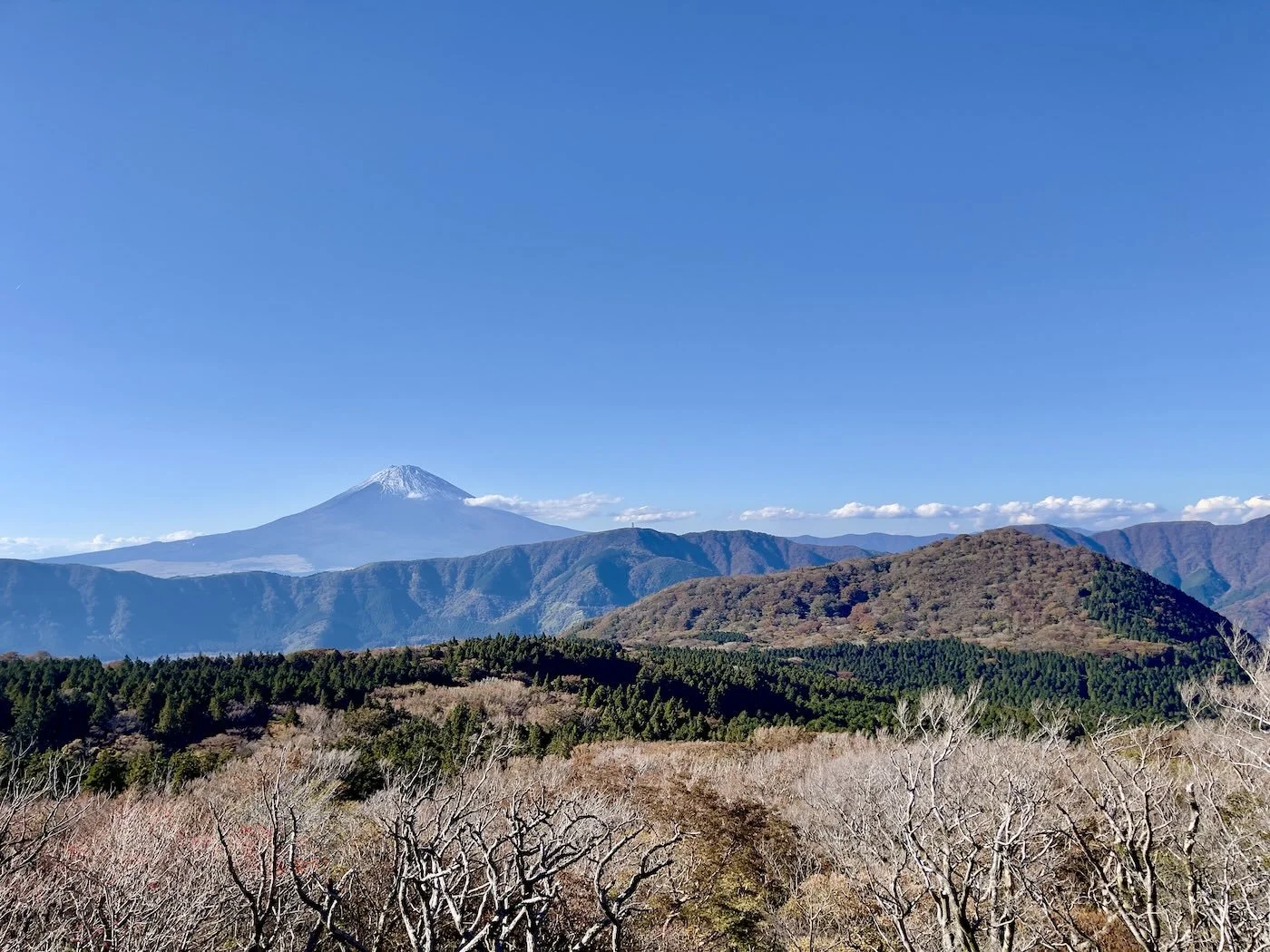
We explored beautiful natural areas nearby, discovered scenic drives around the region, and genuinely looked forward to returning each evening. We would absolutely stay here again with friends or family. In fact, our friends from this trip have since made a habit of returning to Hakone themselves - all thanks to this Airbnb.
The Takeaway
I no longer assume that Airbnbs are strictly better or worse than hotels.
Some of our stays were frustrating. Some were oddly memorable. And a few genuinely elevated the trip in ways a traditional hotel probably could not.
The biggest lesson I learned is that accommodations in Japan are deeply tied to the type of experience you want to have.
Sometimes, a well-located hotel or ryokan offers far more convenience and peace of mind. Other times, a thoughtfully managed Airbnb can create the kind of slow mornings, shared meals, and relaxing atmosphere that make a trip unforgettable.
In the end, I don’t think the real question is “Airbnb or hotels?”
The better question is: which one fits the kind of trip you’re looking to create? And that choice is all yours.
