Kimpton Shinjuku Review: A Surprisingly Good Place to Start a Tokyo Trip
Excellent food, warm hospitality, and just enough New York energy - the Kimpton Shinjuku turned out to be exactly what we needed at the start of our Japan trip.
My interpretation of Kimpton Shinjuku using what I found in the room
Getting There from Narita Airport
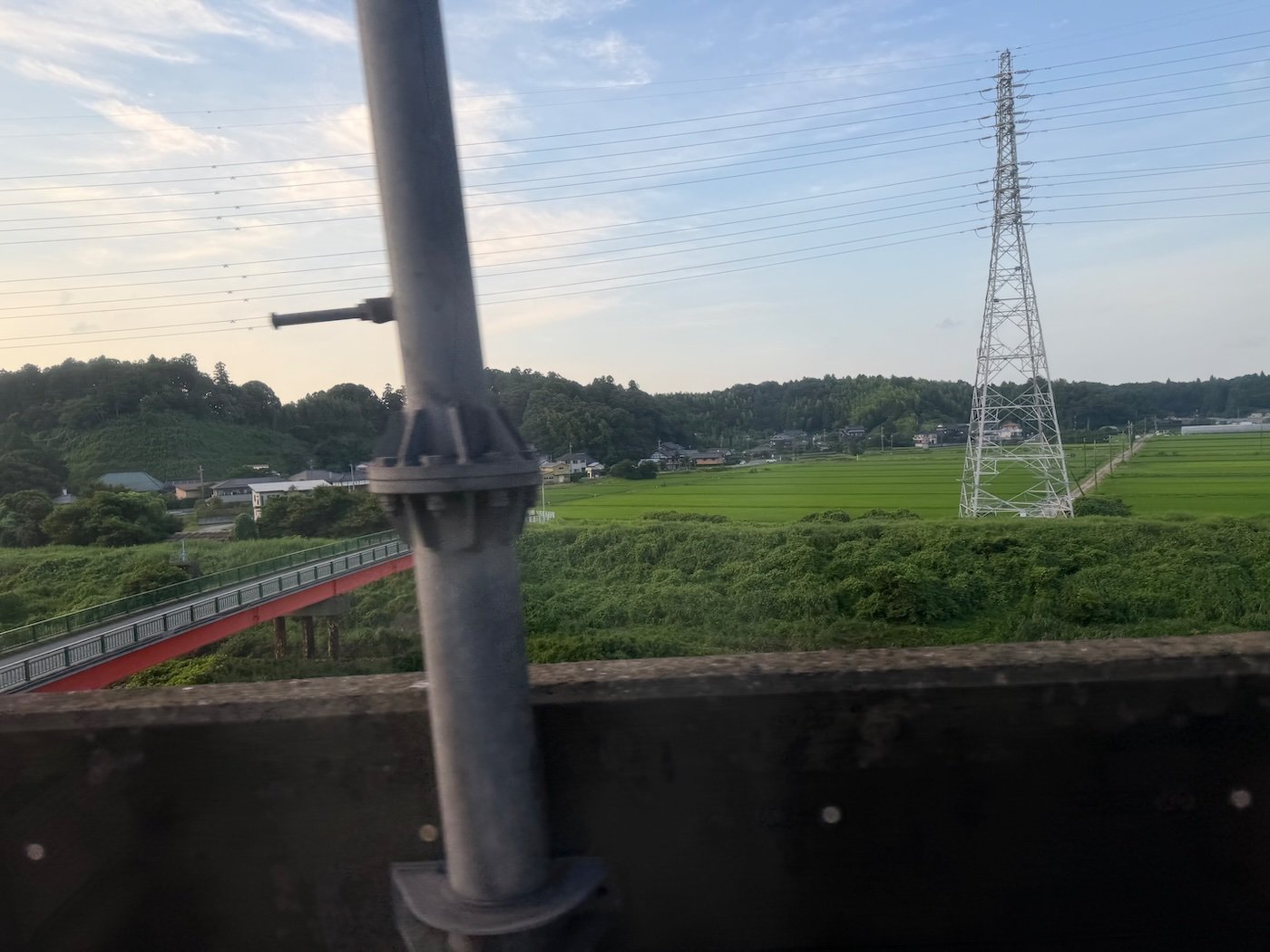
When you see beautiful rice fields… You know you’re back
This hotel had been on my radar for quite some time - in fact, all the way back from when it opened in late 2020.
The hotel is just a five minute taxi ride or a ten minute walk away from Shinjuku station. Unfortunately, the limo-bus does not directly drop off passengers at this hotel - but it does at the Park Hyatt Tokyo, which is literally on the other side of the street. The only issue is, if you have bags (like we did) it still takes five minutes by taxi to get to the Kimpton because of the quirky roads.
This trip, we opted to take the Narita Express to Shinjuku Station because it seemed much faster than taking the limo-bus through rush hour.
We usually prefer the limo-bus for simplicity, but when we checked the schedule, there was only one departure that really worked for us, around 6:50 PM. The Narita Express, on the other hand, had several options within a pretty reasonable window.
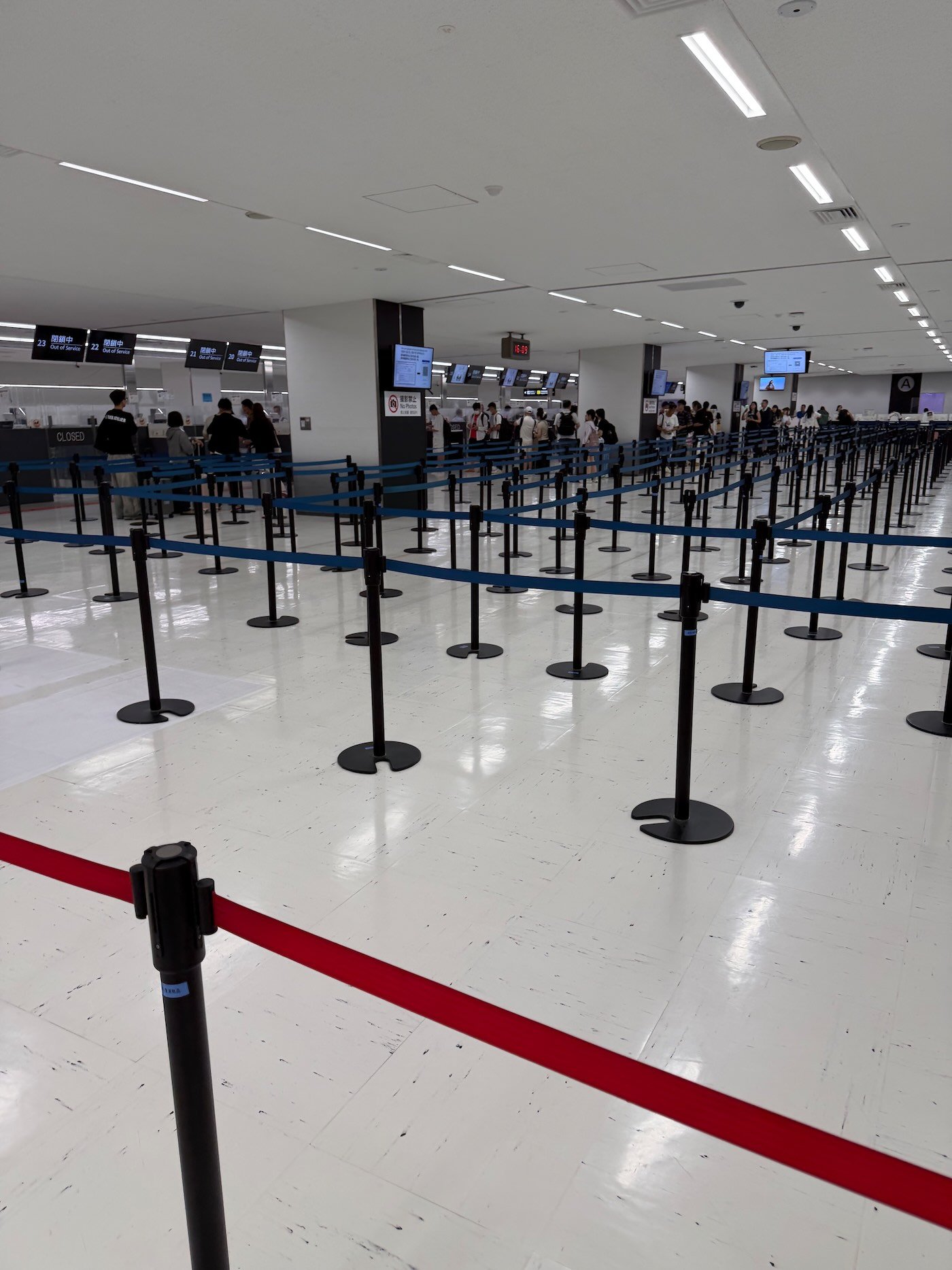
Then everything at Narita went unusually well. Since I have a Japanese passport, immigration typically takes me less than two minutes, but Cory usually needs closer to an hour or more when we land around 4 PM when several international flights are arriving at once.
This time, Cory made it out in record time - four minutes! I couldn’t believe it.
I had enough time to ship our larger suit cases, pick up our Wi-Fi, and still make the earliest Narita Express - which was departing in about 25 minutes.
It ended up being one of those rare travel moments where everything lined up perfectly, and we were on our way to Shinjuku much sooner than I expected.
With that said, I still haven’t managed to figure out how to correctly purchase a Narita Express train ticket (you have to buy the normal ticket and express ticket but the machine never lets me proceed) but other than having to pay the 600 Yen in fare adjustments, our trip from Narita Airport to the Kimpton went very smoothly.
I was really worried I’d get lost in Shinjuku Station while looking for the taxi stand, but it was surprisingly easy to follow the signs. I hate it when Chatty - that’s what I call my ChatGPT - tells me that it’s going to be easy, just follow the signs - because without very specific questions or real time guidance, I’ve never comfortably navigated a train station on my first time. Plus, we still had two medium-small suitcases and a couple duffles - which makes navigating a crowded and fast moving train station extremely miserable if you’re tired and lost.
Thankfully, this time Chatty was right.
If you're thinking of making the Kimpton your first hotel after arriving in Japan, I'd recommend checking both the limo-bus and Narita Express schedules before you fly. Immigration and customs can be unpredictable, especially if you're traveling with someone who doesn't have a Japanese passport, and having several workable options takes some of the pressure off your arrival.
We Made It!
Just in time to see this amazing sunset!
After the airport, train ride, and final taxi from Shinjuku Station, walking into the Kimpton immediately felt like a change of pace.
The hotel doesn't take itself too seriously. There are playful design touches throughout, a little more color and personality than you'd find at many luxury hotels in Tokyo, and the whole place leans into its Manhattan meets Tokyo concept tastefully.
More importantly, it felt comfortable.
We had just arrived from the States, and there was something strangely familiar about the Kimpton's personality. It still very much felt like we were in Japan, but the New York influence, casual atmosphere, and friendly staff made the transition feel very natural.
The Beautiful… Little Room
When I booked the room through Chase’s travel portal, I opted for the lowest tier room, knowing that we would most likely be upgraded. The standard rooms don’t have a soaking tub - but the next tier up does.
What I forgot to check was the size of the room. I assumed that a larger bathroom with a rain shower and a tub would automatically mean a larger room. This doesn’t seem to be the case. Our room was quite tiny. So much so that we could only open one suitcase at a time.
With that said, the room was very well appointed and felt luxurious even though it was compact.
They left us delicious treats - Japanese-ified cupcakes and fudge (not too sweet, just right) and hoji-cha infused brownies, all of which were amazing.
Even the texture of the frosting was different! I was able to eat most of these, even though I usually never eat that much sweets
While Cory and I appreciate sweets, both of us prefer savory things and after a long day of travel, we needed some real food. We immediately ordered some in-room dining, and to our surprise, it arrived in under 20 minutes.
But then the hotel staff and I had a funny exchange where neither of us knew where to put the food - there just wasn’t much space! He ended up leaving it on the table under the TV for us - so we had to sit on the edge of our beds and hold the plates to eat.
We quickly forgot the discomfort, as the presentation was stunning for an in-room order and the flavors were absolutely perfect. We expected a decent, 7.5/10 meal - something fresh, prepared well, and tasty - the baseline for most Japanese boutique hotels.
What we got was a 9/10 meal. Cory’s vegetable pasta was cooked to perfection, my sea-bream dish was quite good, and the fruit bowl actually looked fresh - not like it had been sitting under plastic wrap in a refrigerator for 12 hours waiting for its calling. The plating certainly matched its quality.
Breakfast of Champions
You’ll notice that in many of my hotel articles, I put a lot of emphasis on food and breakfast. I honestly wasn’t sure what to expect from the Kimpton, because I knew it leaned “New York” rather than “Japan”.
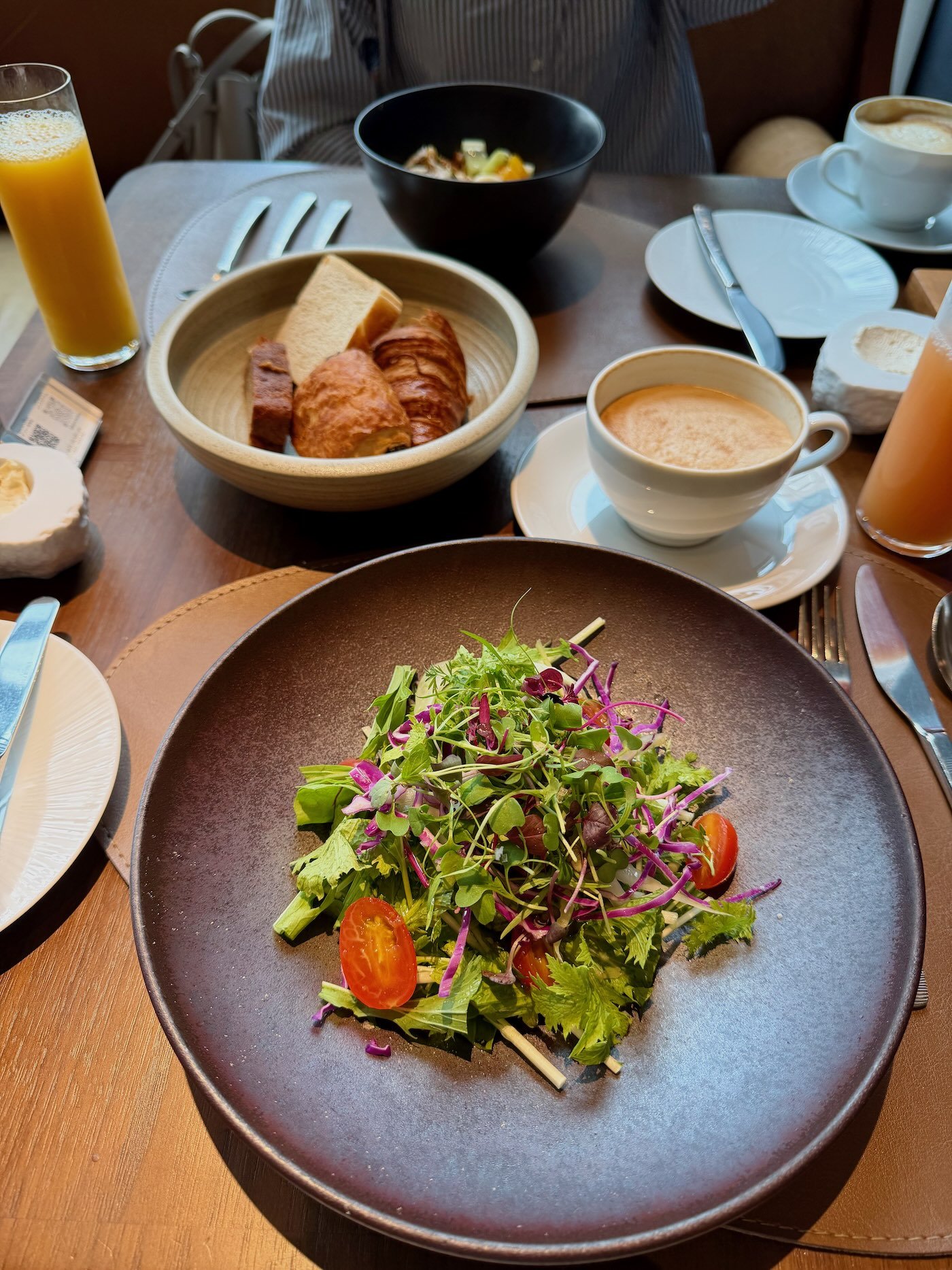
The first morning, I went with the Japanese breakfast - beautifully presented, and thankfully, every bit as delicious as it looked. Of all the Japanese breakfasts I’ve had on my trips, this one ranked pretty high - a simple but perfectly executed Japanese breakfast with just the right amount of variety and a great balance of flavors.
For context, I’d rank it above the Japanese breakfasts I’ve had at several other big-name Tokyo hotels, including Conrad Tokyo, EDITION Ginza, and JW Marriott Tokyo.
Part of that may be because many luxury hotels lean heavily on a buffet, with a smaller a la carte menu on the side. At Conrad Tokyo and JW Marriott Tokyo, I didn’t feel like the Japanese breakfast had one particular dish or element that really stood out. EDITION Ginza was very generous, offering both a full buffet and a separate Japanese breakfast, but it still wasn’t as memorable as the Kimpton’s, where each item felt more thoughtfully prepared to order.
Decadent, solid 9/10!
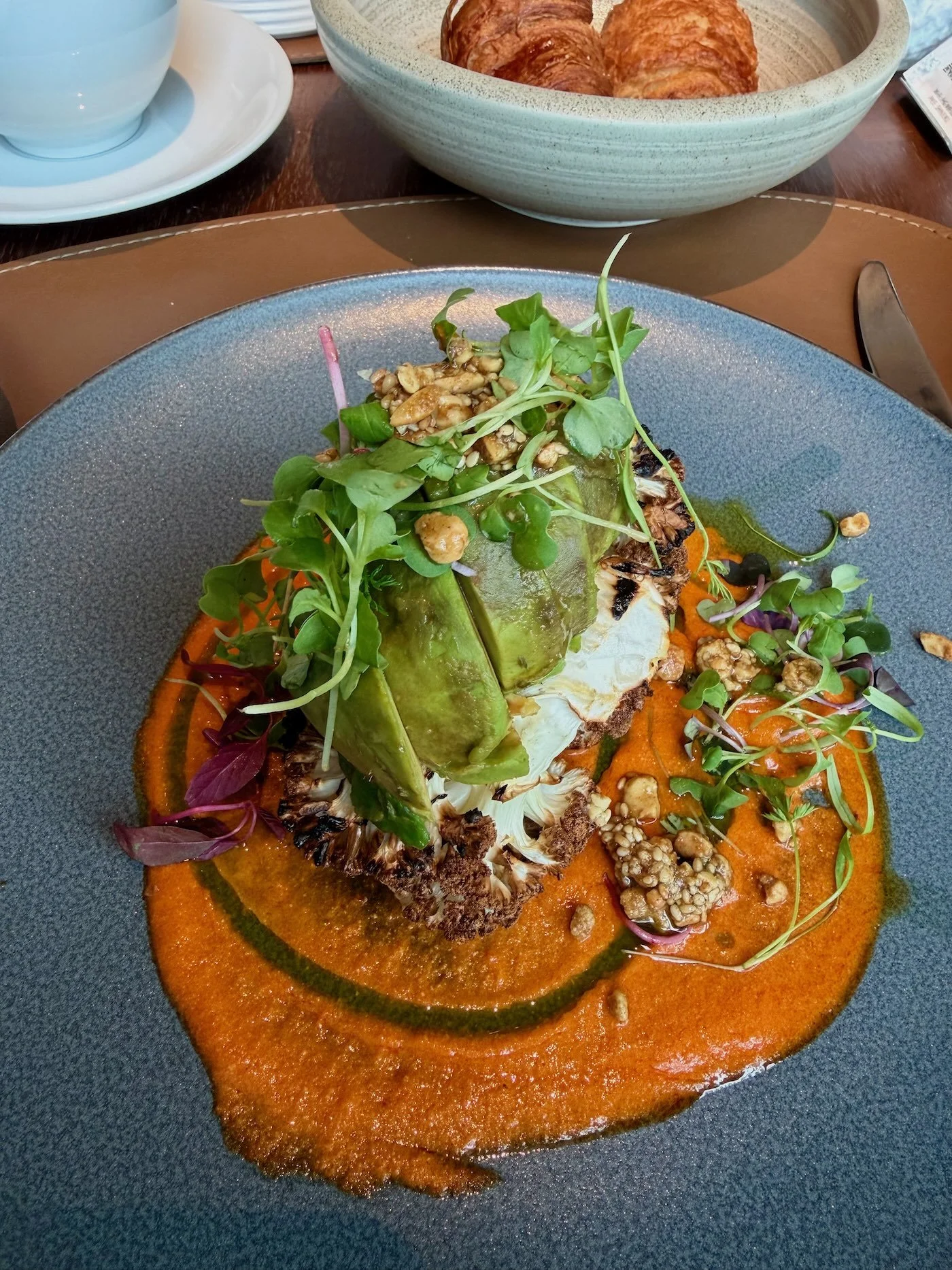
The second morning, I tried the steak from the Western menu, which turned out to be a serious lunch-sized portion. It was cooked perfectly and I thoroughly enjoyed it, but it was definitely heavy for breakfast. I didn’t get hungry again for almost ten hours! The money I saved on lunch went straight toward sushi - a very good cause.
I do have a somewhat sensitive stomach though, so most people would probably appreciate the generous portion more than I did.
On a final note, the bread bowl each morning was served warm, and the whipped sea salt butter was absolute perfection.
Hospitality
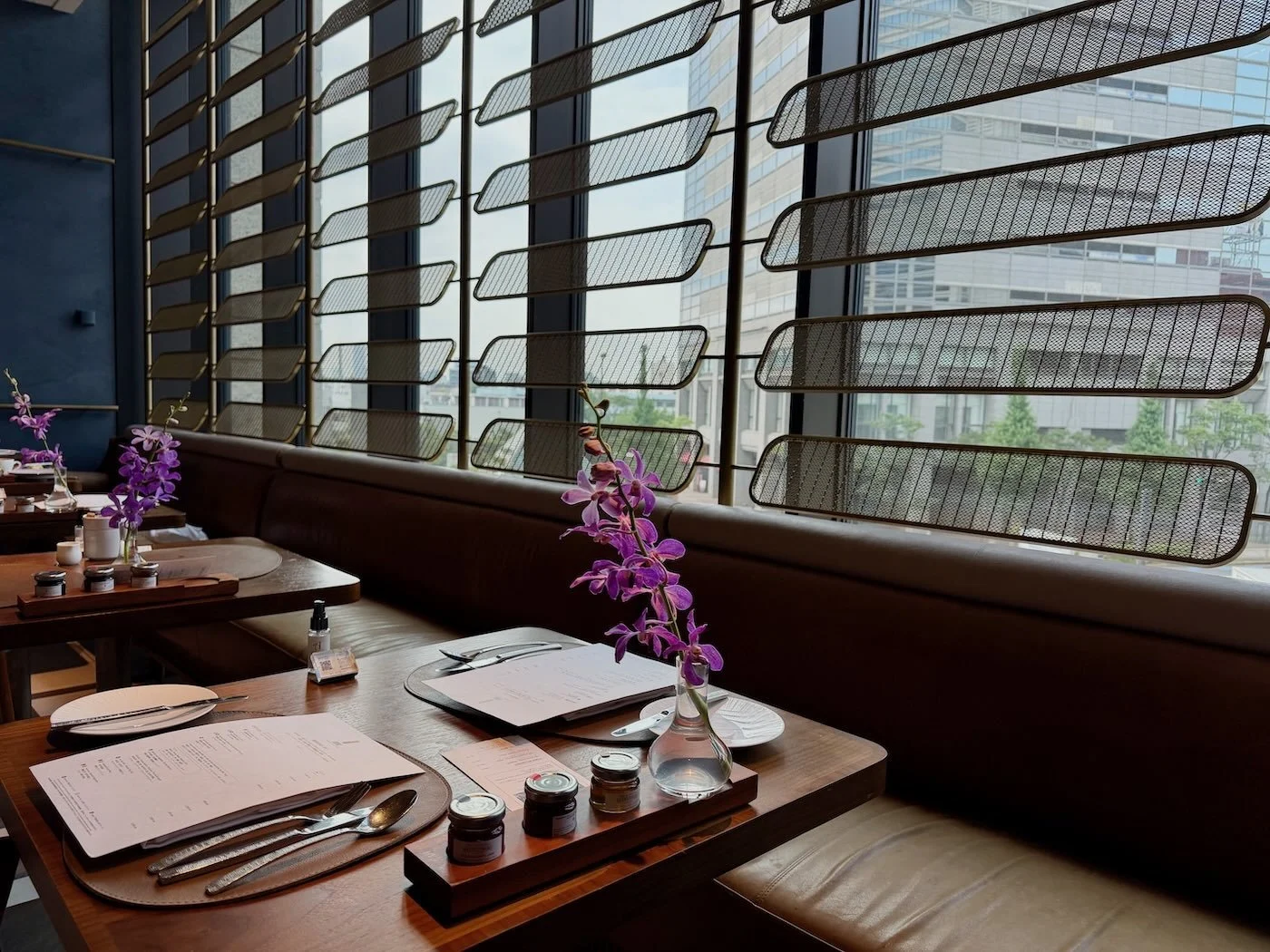
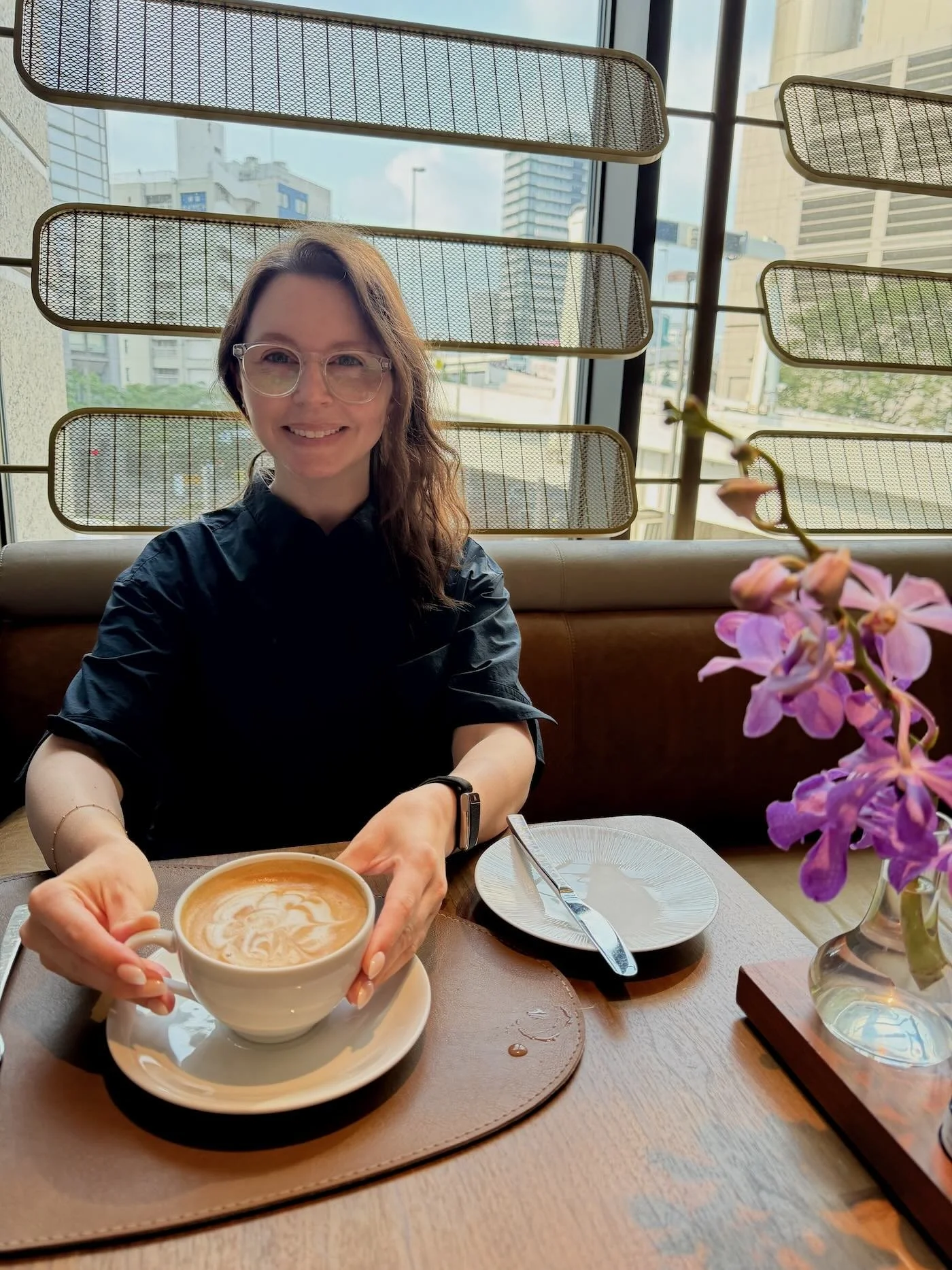
An international feel blended with an undeniable sense that you’re in Japan
The manager overseeing breakfast was a very cool Japanese-French man who effortlessly made us feel welcome. He remembered details from previous conversations, and we had a fun time chatting about his time in Japan.
I noticed the other servers taking a genuine interest in their guests too, offering suggestions for places to visit and restaurants to try.
None of it felt particularly formal or rehearsed, and it was nice to hear these fun interactions happening.
Combined with the playful New York influence throughout the hotel, it gave the Kimpton a strangely familiar feeling - almost like visiting New York, but in Tokyo. After a long flight and our first night in Japan, that warmth made it very easy to settle in.
Location - Great for Shinjuku, Not the Easiest First Stop
We went to every flavor of Lumine Mall we could find
I get why Shinjuku isn't everyone's first choice for the first night of a Japan trip. It's farther from Narita than areas around Tokyo Station and Ginza - on the Narita Express, Shinjuku can be another 25-30 minutes beyond Tokyo Station.
For a first-time visitor, I also wouldn't necessarily recommend the Kimpton specifically as the easiest arrival hotel. There's no door-to-door airport option: the Narita Express gets you to Shinjuku Station, while the limo-bus stops nearby at the Park Hyatt Tokyo rather than directly at the Kimpton. Either way, there's still one final step with your luggage.
Once we were settled in, though, I really liked the location.
An entrance to the underground passages leading toward Shinjuku Station was only about a five-minute walk from the hotel, while walking above ground to the station itself took us closer to ten. We loved wandering around the station area for shopping, and there was plenty to see along the way.
So while I wouldn't call the Kimpton the most convenient hotel in Tokyo for arriving from Narita, I thought the location worked extremely well once we were actually there.
Kimpton Social Hour
It was our antisocial hour
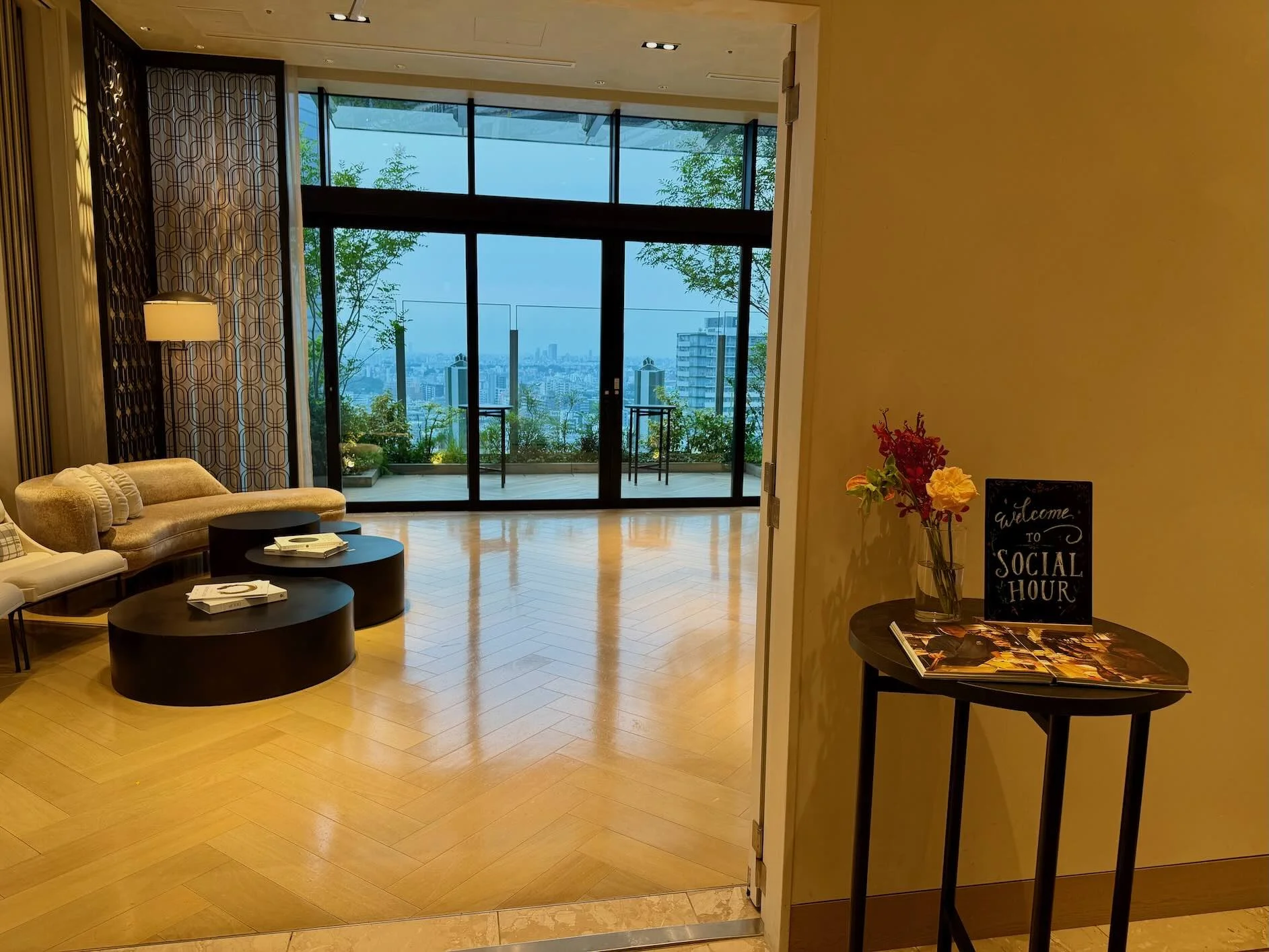
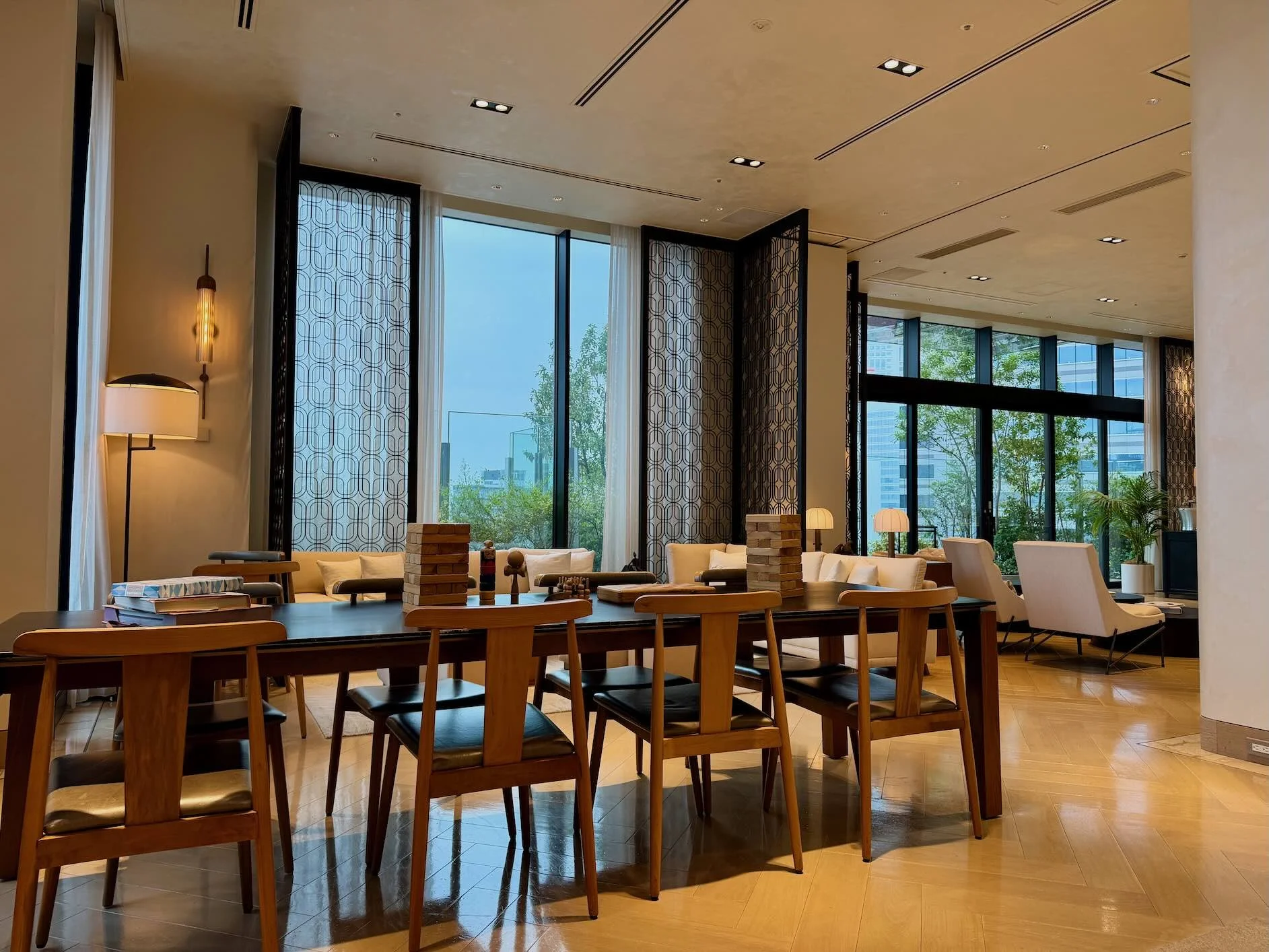
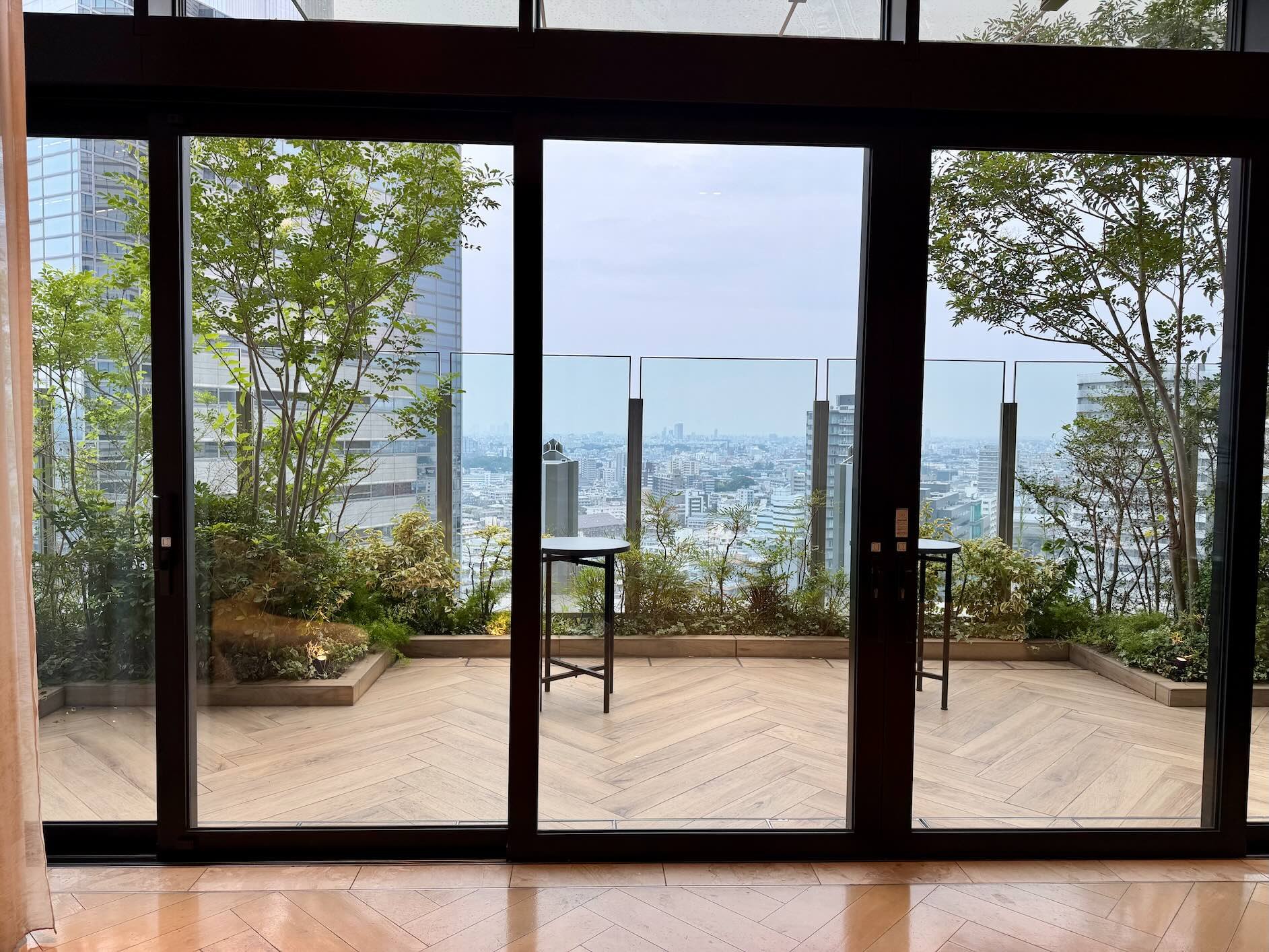
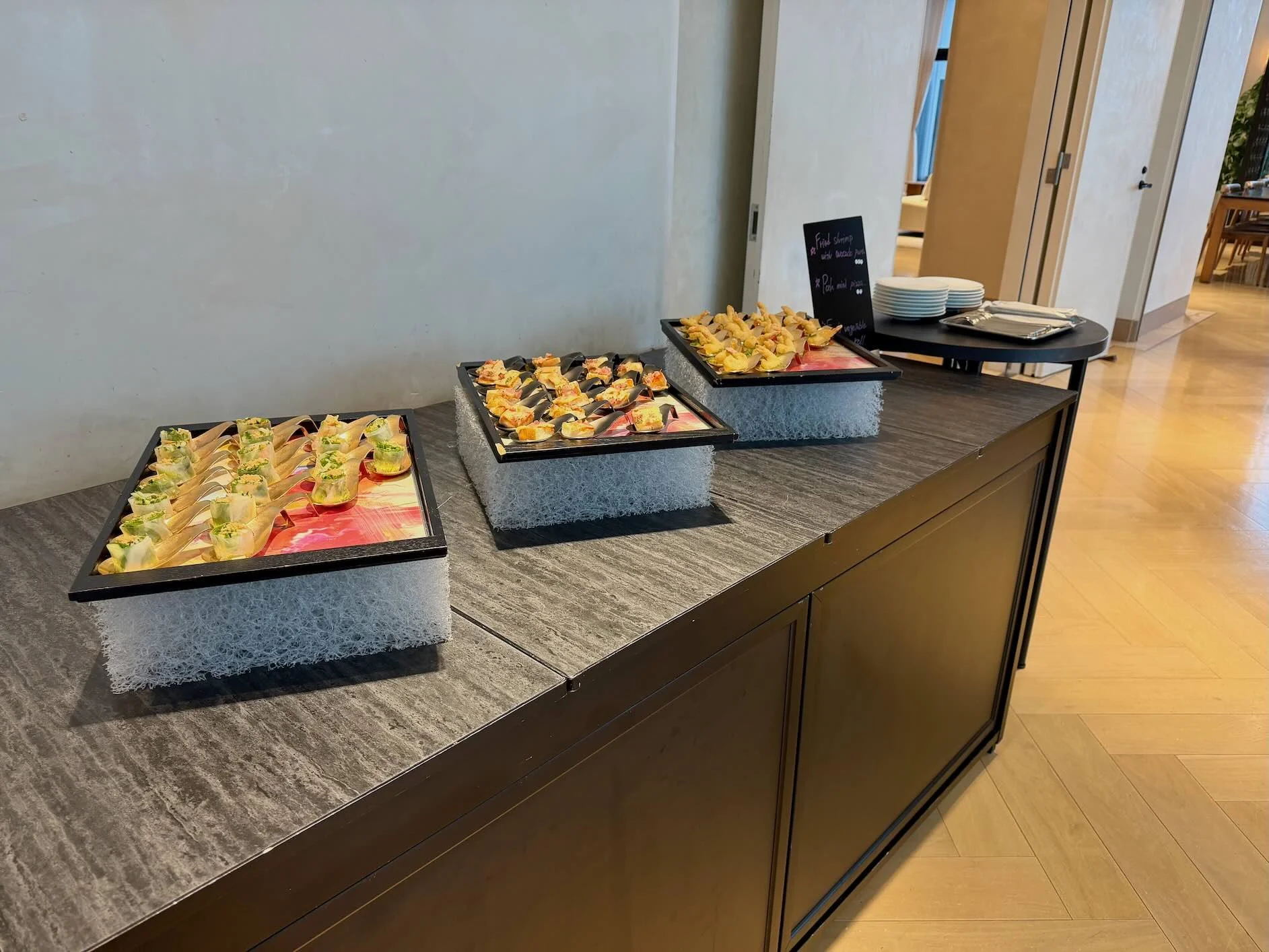
One of Kimpton's signature perks is its nightly Social Hour, which at the Kimpton Shinjuku runs from 5:00-6:00 PM with complimentary drinks and small bites.
We tried it, and... it was okay.
The drinks and snacks were perfectly fine, but nothing I'd specifically rearrange my Tokyo plans around. We're also not particularly social in these kinds of organized situations, and judging from our visit, neither were most of the other guests. It felt less like a social hour and more like a free drink-and-snack lounge, with most people disappearing within half an hour.
I'm certainly not complaining about free drinks and food, but I wouldn't rush back to the hotel just to make the 5:00 PM start. If you happen to be "home" around that time, though, it's a nice little extra.
One “social” perk is that since pets are welcome to stay here, we got to meet a few very cute animal friends.
Let’s Talk Points - Is the Kimpton Worth It?
Short answer - it’s worth every bit of effort to get here!
When I've searched award nights at the Kimpton Shinjuku, I've typically seen prices around 65k-85k IHG points per night, with peak dates sometimes climbing above 100k.
At around 80k points for a night, I think the Kimpton can still be worth considering - but there are a couple of ways to make that price much easier to swallow.
If you have an eligible IHG credit card that comes with an annual 40k Anniversary Free Night, you can top off that certificate with additional IHG points to book a hotel costing more than 40k points. I would 100% consider using mine at the Kimpton. There are other IHG properties in Tokyo where you could use the certificate with additional points, but for me, none of them are nearly as refined or special as the Kimpton. If I'm going to top off a certificate, this is exactly the kind of hotel I'd want to use it for.
For longer stays, a four-night booking is where the math gets even more interesting. Holders of eligible IHG cards also get the fourth night free when redeeming points for four consecutive Reward Nights. So if the average rate were 80k points per night, you'd pay 240k points instead of 320k - an effective average of just 60k points per night.
For a hotel that can easily command cash rates in the $400-$600 range, that's a much more compelling redemption.
How We Booked the Kimpton this Time
If we’re always antisocial together, are we technically super social?
Interestingly, though, we didn't use IHG points for this stay.
We booked our two nights through The Edit by Chase Travel, and this ended up being one of those situations where several Sapphire Reserve benefits stacked together almost comically well.
The stay cost $1,079.03 for two nights. We were able to use the $250 credit for select Chase Travel hotels - which includes IHG through the end of 2026 - one of our $250 credits for The Edit, and our $300 annual travel credit. We then used just 16.9k Ultimate Rewards points to cover the remaining $279.03. Chase currently allows these credits to stack on eligible stays.
And that wasn't the end of it. Our Edit booking also came with daily breakfast for two, a $100 property credit, a welcome amenity, and benefits such as a room upgrade, early check-in, and late checkout when available.
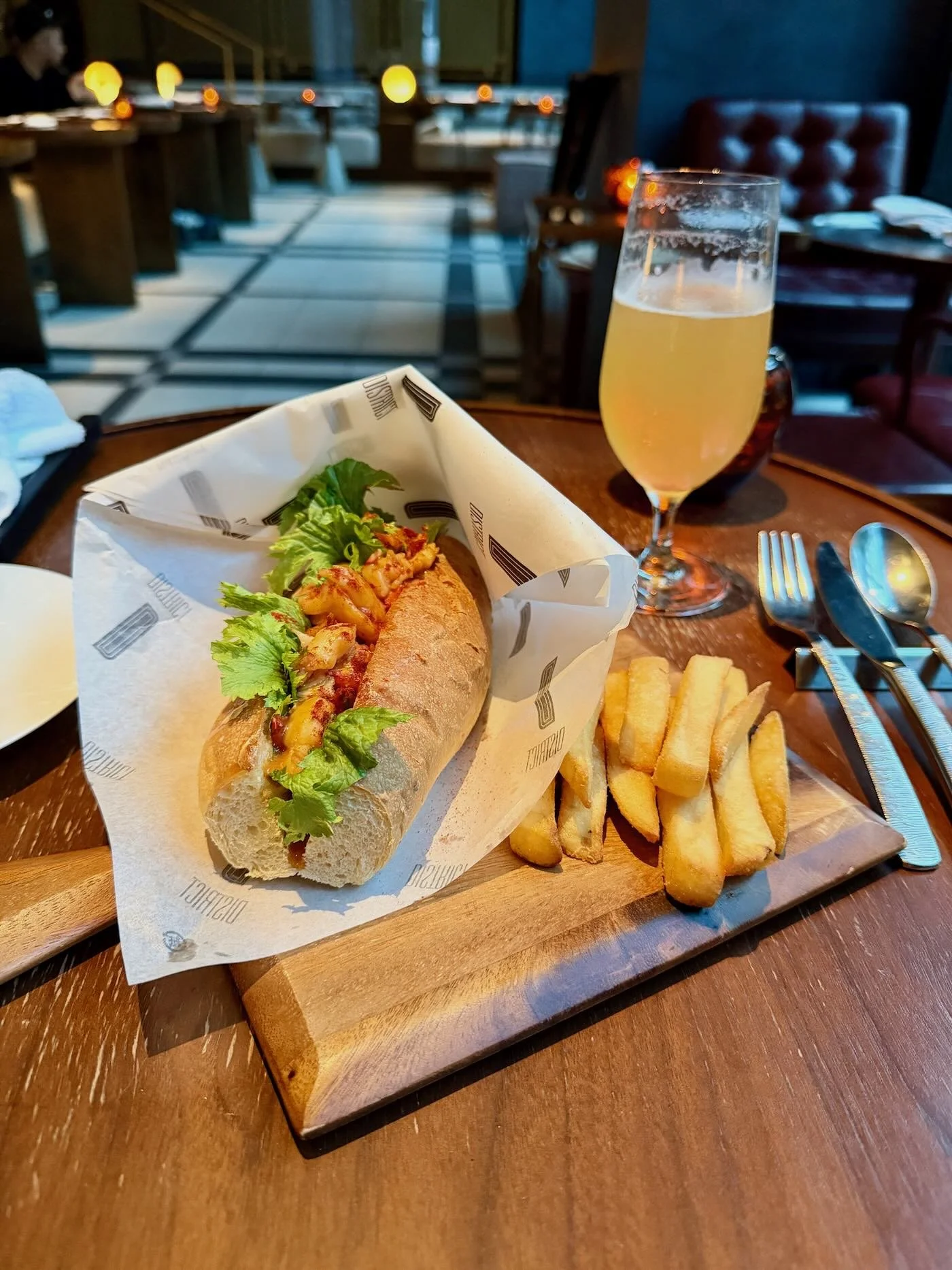
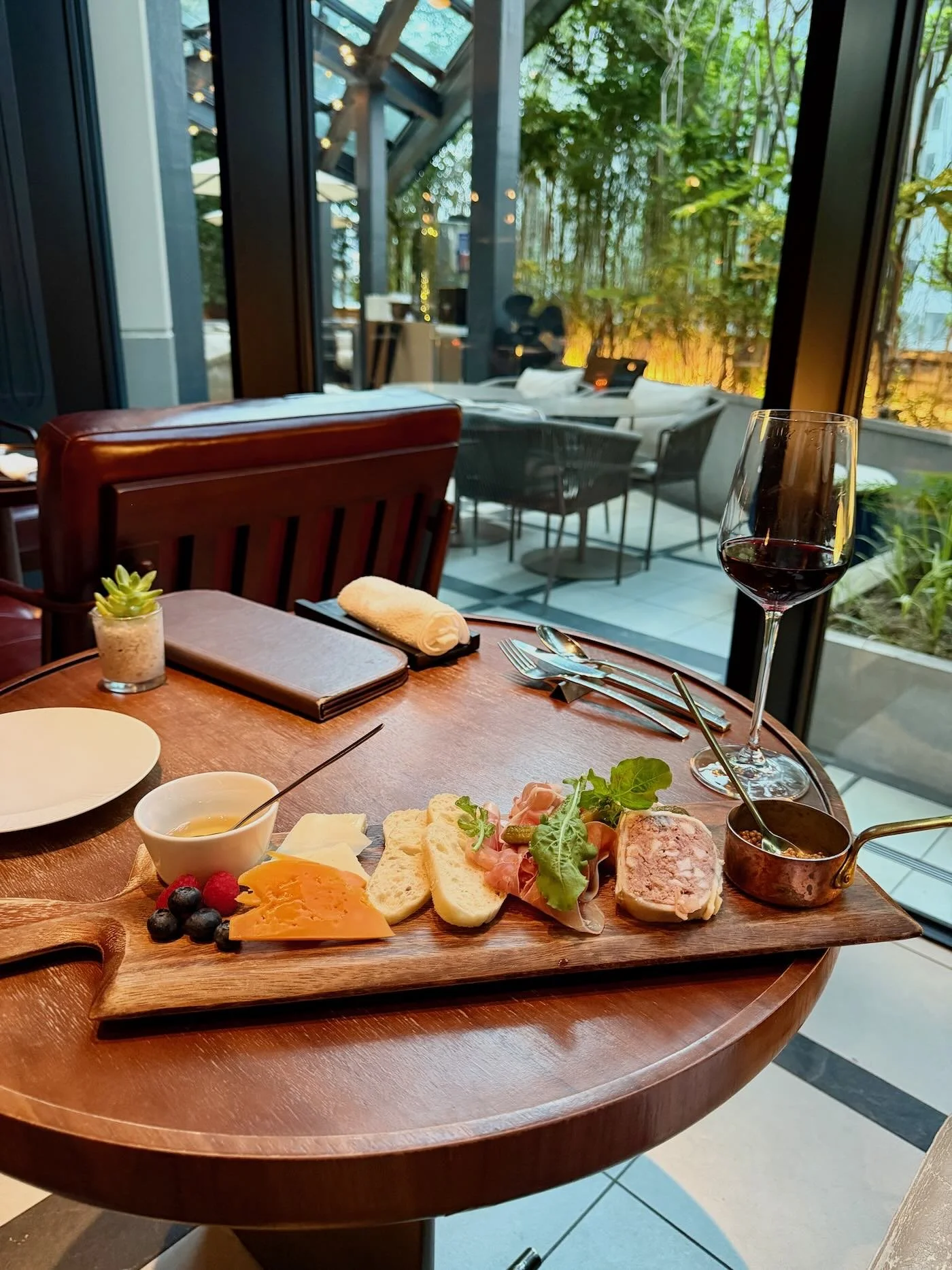
If you’re curious where our $100 (16,000 Yen) were spent… it covered this entire meal and our room order!
Obviously, those Chase credits aren't "free money" - especially the $300 travel credit, which we could have used toward plenty of other travel. But if you already have the Sapphire Reserve and those credits available, this was an unusually good place to stack them.
One small thing I would keep in mind if you book through The Edit: bring the Sapphire Reserve tied to the reservation. At check-in, the Kimpton specifically asked to see Cory's Sapphire Reserve rather than letting us use another Chase card for incidentals. I almost forgot to pack it, and the only reason I remembered was because we planned to visit the Sapphire Lounge at Logan Airport before our flight.
Interestingly, the EDITION Ginza (also booked through The Edit) didn't care which card we used when we stayed there later in the trip, so this may vary by hotel. I don't know what would've happened if we hadn't had Cory's card with us, but it's an easy problem to avoid.
For us, The Edit ended up being the better way to book this particular stay. But with IHG free night certificates, the fourth-night-free benefit, and occasionally reasonable cash rates all in play, the Kimpton is definitely a hotel where I'd compare several booking options before automatically spending points.
The Kimpton Started as the Safer Choice
Looking back, the Kimpton Shinjuku wasn't necessarily the most obvious hotel to choose for the beginning of our trip. Shinjuku takes a little more effort to reach from Narita, our room was definitely on the small side, and not every hotel perk left us rushing back for more.
But that’s okay, because we got everything we wanted after a long trip - exceptionally good food, a big tub to soak in, and a comfortable room.
The playful New York influence felt familiar without taking away from the fact that we were back in Japan. The staff were warm without being overly formal, the location was great for getting around, and the food consistently surprised us.
That's ultimately why the Kimpton worked so well as our first hotel.
Part of the reason I booked the Kimpton first was actually a little bit of travel insurance. We were staying at the Park Hyatt Tokyo immediately afterward, and while the limo-bus would've taken us directly there from Narita, I couldn't bring myself to put that stay at the mercy of a delayed or canceled flight. If we somehow lost our first night at the Park Hyatt, I would've been devastated.
So the Kimpton felt like the safer hotel to put at the beginning of the trip.
Would I cry if a future flight delay cost me a night at the Kimpton? After that breakfast and the overall vibe of the hotel... I honestly think I might. But that's a happy planning problem for another time.
I wouldn't necessarily recommend it to every first-time visitor purely for convenience. But if you already want to stay in Shinjuku and you're looking for something stylish, approachable, and luxurious without feeling too serious, I think it's a fantastic place to settle into Tokyo.
For us, it was exactly what we needed at the beginning of the trip - and I'd happily start another one here.
